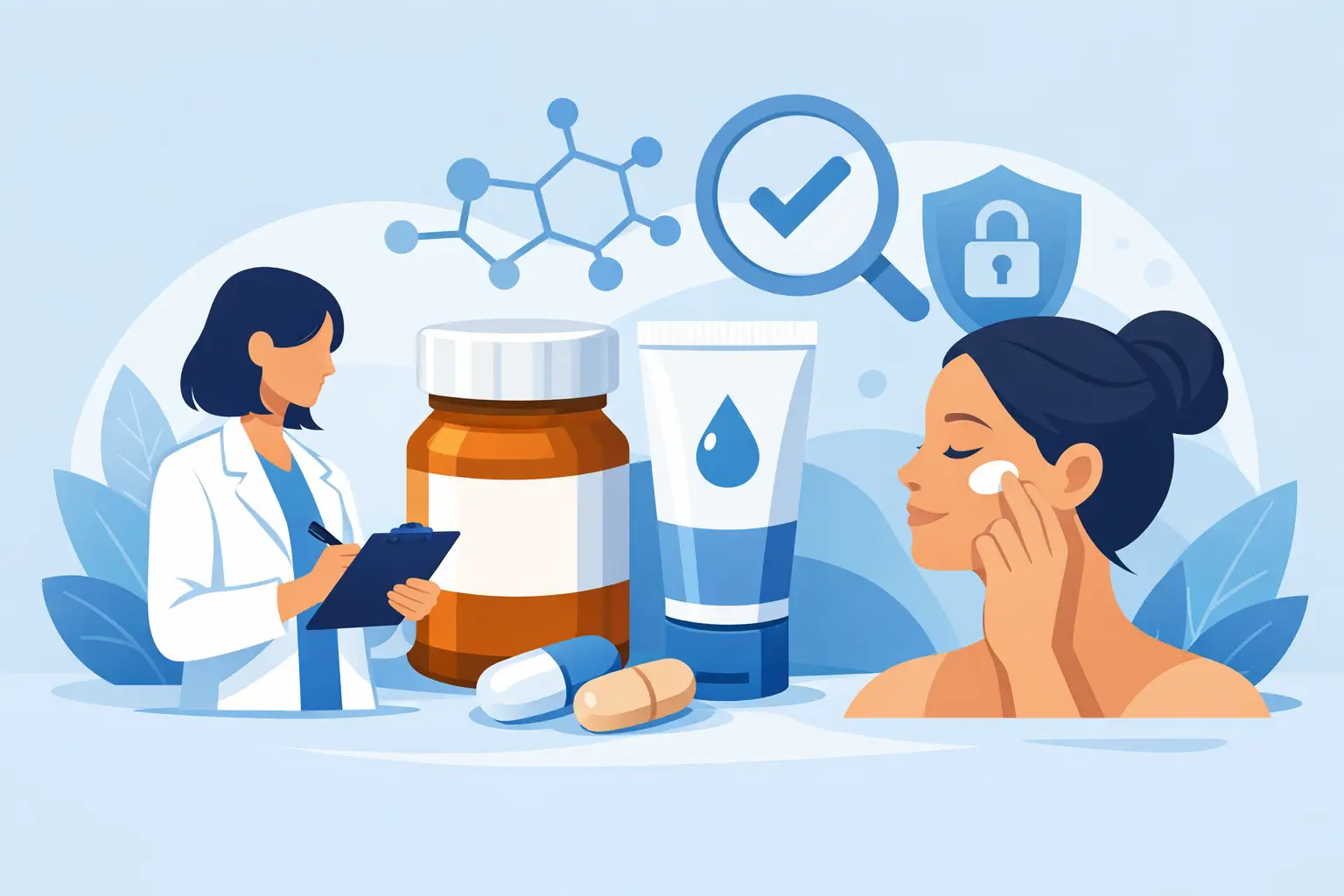
Vitamin C is a water-soluble micronutrient that may support immune function during weight loss through antioxidant activity and support for immune cells. While not a cure, it can play a complementary role in a balanced weight-loss plan, especially for people with low dietary intake or increased needs.
Ready to find out if you qualify? Start Free Assessment — No payment required
What Vitamin C Is and How It Works
Vitamin C (ascorbic acid) is an essential nutrient the body cannot synthesize, so it must come from food or supplements. It participates in multiple biochemical reactions, including collagen synthesis, neurotransmitter production, and regeneration of other antioxidants such as vitamin E.
In the immune system, vitamin C concentrates in leukocytes and may support several functions: it can scavenge reactive oxygen species that arise during immune responses, support the barrier function of skin and mucous membranes, and influence the activity and survival of white blood cells. These actions are mechanisms by which vitamin C may help maintain immune resilience during periods of metabolic change like weight loss.
Vitamin C, Immunity, and Weight Loss
When people lose weight, especially quickly or through restrictive diets, nutritional gaps can appear. Reduced calorie intake can lower vitamin and mineral consumption, which may make immune support nutrients like vitamin C more relevant. Ensuring adequate intake through food or supplements may potentially help sustain immune function while pursuing weight goals.
For people on medically supervised weight-loss programs, including telehealth options like our /weight-loss-online services or prescription treatments such as /glp1-weight-loss-program, monitoring dietary adequacy is important. Vitamin C should be viewed as one component of a comprehensive plan rather than a standalone solution for preserving immune health.
Safety Profile and Recommended Intake
Vitamin C is water soluble and excess amounts are typically excreted in urine, which generally makes it safer than many fat-soluble vitamins at moderate doses. The Recommended Dietary Allowance (RDA) for adults is around 75–90 mg per day, though some clinicians recommend higher intake for certain situations. The Institute of Medicine has set the tolerable upper intake level at 2,000 mg per day for adults to reduce the risk of gastrointestinal side effects.
High doses may cause stomach upset, diarrhea, and in susceptible individuals a higher risk of kidney stones due to increased oxalate. People with conditions like hemochromatosis should exercise caution because vitamin C can enhance iron absorption. Always discuss high-dose supplements with your provider, especially if you are on medications or have chronic conditions.
Who May Benefit During a Weight-Loss Program
Individuals most likely to benefit from attention to vitamin C status include those who eat few fruits and vegetables, people who smoke (smokers generally have higher vitamin C needs), older adults with limited intake, and anyone on a calorie-restricted plan that may not meet micronutrient needs. For these groups, modest supplementation or targeted dietary changes may potentially help maintain immune support.
Patients pursuing prescription weight-loss medications may have specific recommendations from their provider. If you are considering pharmacologic support, see whether you meet criteria at /who-qualifies-for-weight-loss-medication and discuss micronutrient needs as part of your program. Nutrient needs can shift during active weight change, so personalized review is useful.
Integrating Vitamin C Into a Telehealth Weight-Loss Plan
Practical steps to add vitamin C safely include prioritizing vitamin C–rich foods such as citrus, strawberries, bell peppers, and broccoli, and considering a low-dose supplement if dietary intake is insufficient. Because vitamin C is inexpensive and widely available, many clinicians recommend aiming for a baseline dietary intake and adding a supplement only when needed.
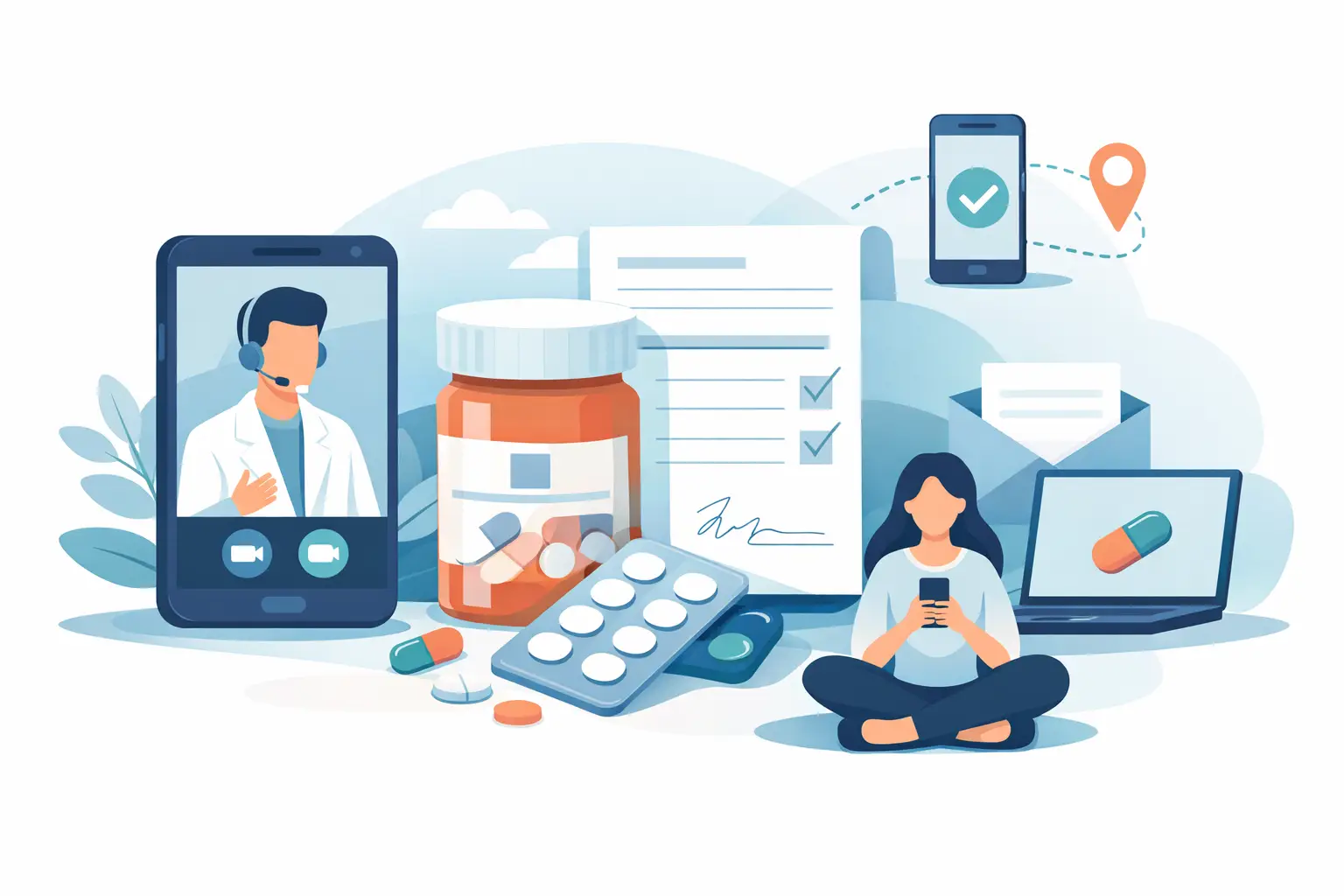
If you are enrolled in a telehealth weight-loss program like /weight-loss-online or one of our /programs, your provider can evaluate diet, current supplements, and medical history to advise an individualized intake. Use the free Start Free Assessment to begin, and review pricing and program options at /pricing if you proceed with a supervised plan.
Why Provider Review Matters
A provider review ensures vitamin C recommendations are tailored to your medical history, current medications, and the type of weight-loss plan you are undertaking. For example, some medications or medical conditions may change appropriate doses or create interactions that warrant adjustment.
Provider oversight is especially important in Florida and New York telehealth settings, where state regulations and prescribing practices are followed. A clinician can also check for nutrient deficiencies, adjust supplements for tolerability, and integrate vitamin C guidance into a broader nutrition and medication plan.
Built from Eden Med Spa — real patients, real treatments.
Ready to find out if you qualify? Start Free Assessment — No payment required
Frequently Asked Questions
Q: Can vitamin C prevent colds during weight loss? A: Vitamin C may modestly support immune function but does not guarantee prevention of colds. Some studies suggest it can slightly reduce duration or severity in certain groups, but results vary and it should not replace other preventive measures.
Q: How much vitamin C should I take while on a weight-loss diet? A: Most adults can meet needs through diet; the RDA is around 75–90 mg daily. If intake is low, a supplement of 100–500 mg daily may be used under provider guidance. Avoid consistently exceeding 2,000 mg per day without medical supervision.
Q: Are there interactions with weight-loss medications? A: Vitamin C can increase iron absorption and may interact indirectly with some medications. While it generally has few interactions, discuss all supplements with your provider, especially if you are using prescription programs like /glp1-weight-loss-program or other medications.
Q: Who should avoid high-dose vitamin C? A: Individuals with hemochromatosis, a history of oxalate kidney stones, or certain metabolic disorders should avoid high-dose vitamin C unless advised by a clinician. Your provider can help identify risks during a review.
Q: Can I get enough vitamin C from food alone on a calorie-restricted plan? A: Yes, many people can meet vitamin C needs via well-planned meals that include fruits and vegetables. If your plan restricts food variety, your clinician may recommend targeted supplementation as part of a comprehensive program.
Q: How do I get personalized advice from EdenRx? A: Start with a free telehealth assessment at /assessment to see if you may be eligible for supervised programs. Our providers review history, current medications, and goals to offer individualized guidance on nutrients and treatment options.
Conclusion
Vitamin C is a well-established nutrient with roles in antioxidant defense, collagen production, and immune cell function. During weight loss, particularly when intake is limited, attention to vitamin C may potentially support immune resilience as part of a balanced, supervised plan. It is not a cure, and results vary; provider evaluation helps determine whether dietary changes or supplements are appropriate for you.
Ready to find out if you qualify for a supervised weight-loss program in Florida or New York? Start Free Assessment — No payment required