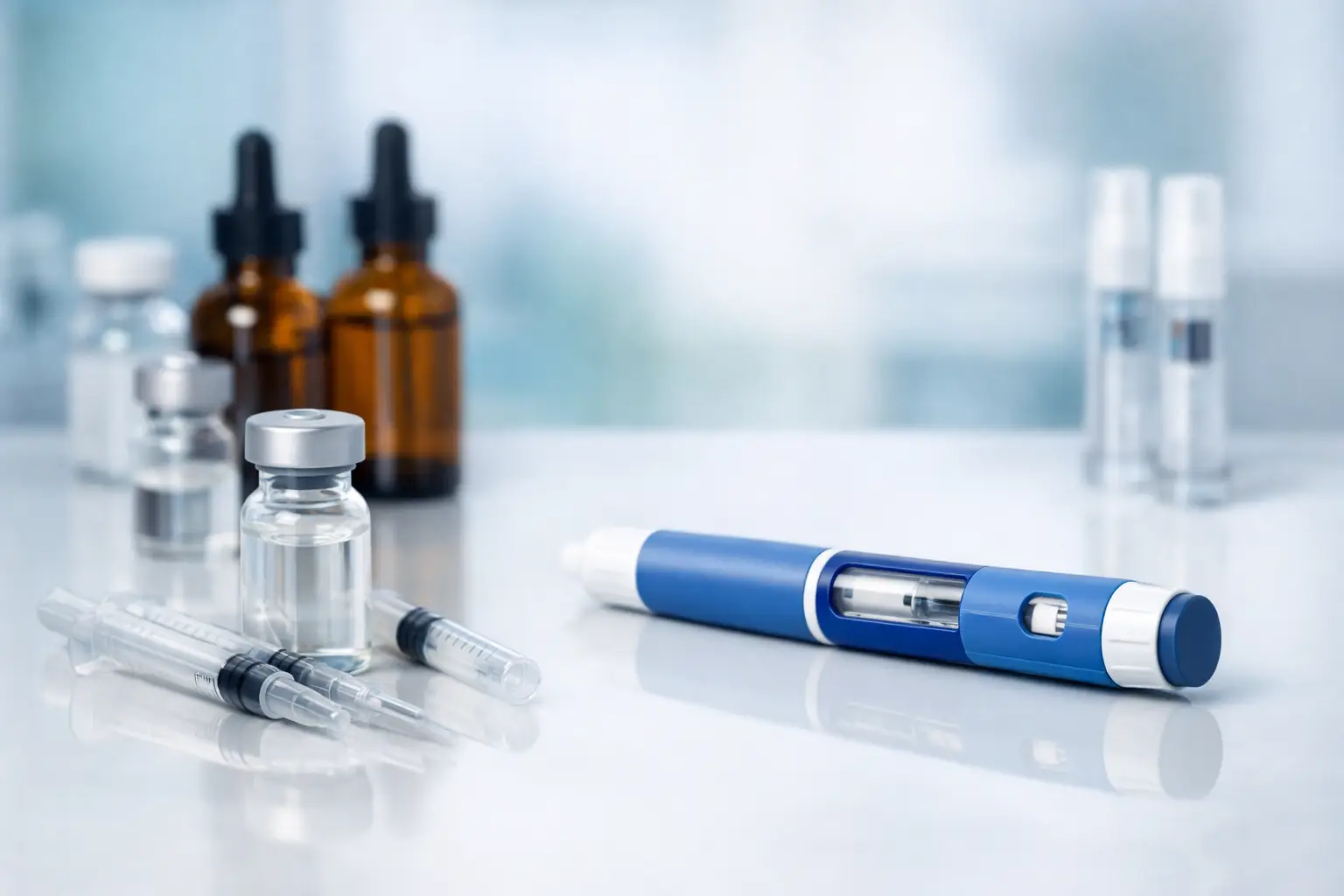
Peptide therapy in Tallahassee FL is an emerging option that may support metabolic health, recovery, and wellness for eligible adults under medical supervision. Our provider-reviewed telehealth program evaluates your needs and offers personalized plans if eligible.
Ready to find out if you qualify? Start Free Assessment — No payment required
What is peptide therapy?
Peptides are short chains of amino acids that act as signaling molecules in the body. In clinical settings, peptide therapy refers to the use of synthetic or compounded peptides that mimic natural hormones or growth factors to influence functions such as metabolism, appetite, tissue repair, and energy balance.
Peptide formulations used in wellness and metabolic programs can include a range of agents, from growth hormone–releasing peptides (e.g., sermorelin, ipamorelin) to GLP-1 receptor agonists like semaglutide, which is itself a peptide-based medication. In our telehealth program we review both evidence and your personal health profile to determine safe, appropriate options.
How peptide compounds work and common examples
Peptides work by binding to specific receptors on cells and modulating downstream signaling pathways. For metabolic benefits, GLP-1 receptor agonists slow gastric emptying, reduce appetite, and improve insulin sensitivity. Other peptides may stimulate growth hormone release or support tissue repair by activating regenerative pathways.
Commonly discussed peptides in wellness programs include semaglutide (a GLP-1 analog), sermorelin and ipamorelin (growth hormone secretagogues), and targeted peptides for recovery. If you want to learn more about semaglutide options in Florida specifically, see our resource on /semaglutide-florida and explore how peptide choices may fit into broader care plans like our /online-weight-loss-florida services.
Safety profile and clinical oversight
Like any prescription treatment, peptide therapy carries potential side effects and requires medical oversight. Short-term effects may include injection site reactions, nausea, headache, or changes in appetite; rarer risks depend on the specific compound and your medical history. Providers carefully assess cardiovascular, metabolic, and endocrine factors before prescribing.
Our program pairs provider review with telehealth follow-up to monitor tolerability and outcomes. If you are considering peptides versus other agents, resources such as /semaglutide-vs-tirzepatide can help you understand differences in mechanism and safety. Always disclose all medications and medical conditions during the /assessment to minimize risk.
Who may benefit from peptide therapy?
Adults in Florida and New York with specific metabolic or wellness goals may potentially benefit if they meet clinical criteria and have provider approval. Candidates often include people managing obesity, metabolic dysfunction, or those seeking recovery support under a supervised plan; eligibility depends on medical history, lab results, and risk assessment.
Peptide therapy is not appropriate for everyone. Patients who are pregnant, breastfeeding, or have certain endocrine or cardiac conditions may not qualify. Our provider-reviewed approach within the /programs framework ensures individualized recommendations and helps determine whether peptide therapy is a suitable adjunct to lifestyle, nutrition, and other medical interventions.
How our online provider-reviewed program works
EdenRx offers a telehealth pathway for patients in Florida and New York that starts with a no-cost clinical screening. Complete the /assessment to provide medical history, current medications, and treatment goals; a licensed clinician then reviews your information and may recommend testing or a tailored peptide plan if eligible.
If a peptide regimen is prescribed, we explain dosing, administration, expected effects, and follow-up schedules. Pricing details and subscription options are transparent on our /pricing page, and we can coordinate refills, monitoring, and follow-up visits virtually so long as you remain within the eligible states.
Why Provider Review Matters
Provider review reduces risk by ensuring a qualified clinician evaluates your full medical context, contraindications, and drug interactions. Peptide therapy involves prescription medications and, for many peptides, compounding or specific storage and administration instructions that require oversight.
A provider-reviewed program also supports ongoing monitoring for side effects and effectiveness, making dose adjustments and ordering labs when necessary. For people comparing therapies, a clinician can explain how peptides might integrate with other options like GLP-1s or lifestyle interventions found in our /online-weight-loss-florida program.
Built from Eden Med Spa — real patients, real treatments.
Ready to find out if you qualify? Start Free Assessment — No payment required
Frequently Asked Questions
Q: What is the difference between compounded peptides and FDA-approved peptide medications? A: FDA-approved peptide medications have undergone large clinical trials and regulatory review for specific indications; compounded peptides are mixed by a pharmacy to meet individualized prescriptions when an approved formulation is not available. Provider review is essential to determine appropriateness and ensure compounding standards are met.
Q: Are peptide therapies safe for long-term use? A: Long-term safety varies by compound. Some peptides have well-characterized safety profiles while others lack extensive long-term data. Continued supervision by a licensed provider helps manage potential risks and monitoring needs.
Q: How soon could I see changes with peptide therapy? A: Response timelines vary by peptide and individual factors; some people notice appetite or energy changes within weeks, while metabolic effects may take longer. Results may potentially appear sooner when combined with diet and exercise and if eligible based on clinical assessment.
Q: Will insurance cover peptide therapy? A: Coverage depends on your insurer, the specific peptide, and the indication. Many wellness or off-label compounded peptide uses are not covered. Our team can provide documentation for prior authorization when applicable and outline costs on /pricing.
Q: Can I switch from a GLP-1 like semaglutide to another peptide? A: Switching therapies is a decision for your provider, who will evaluate prior response, side effects, and goals. For comparisons between GLP-1 options and newer agents, review /semaglutide-vs-tirzepatide and discuss transition plans during a clinical visit.
Q: How is follow-up handled in an online program? A: Follow-up is coordinated via telehealth visits and secure messaging; clinicians monitor symptoms, labs, and adherence, and adjust therapy if needed. Our programs page (/programs) describes care pathways and typical follow-up schedules.
Conclusion
Peptide therapy in Tallahassee FL may offer a targeted, provider-reviewed option for people pursuing metabolic or wellness support when supervised by a licensed clinician. Because eligibility, safety, and expected outcomes vary, a full review through our telehealth process is the safest path to determine whether peptides are appropriate for you.
Ready to explore whether you qualify? Start Free Assessment — No payment required. Learn more about how peptide therapy might fit into broader care options like /online-weight-loss-florida or discuss pricing and program options on /pricing and /programs.