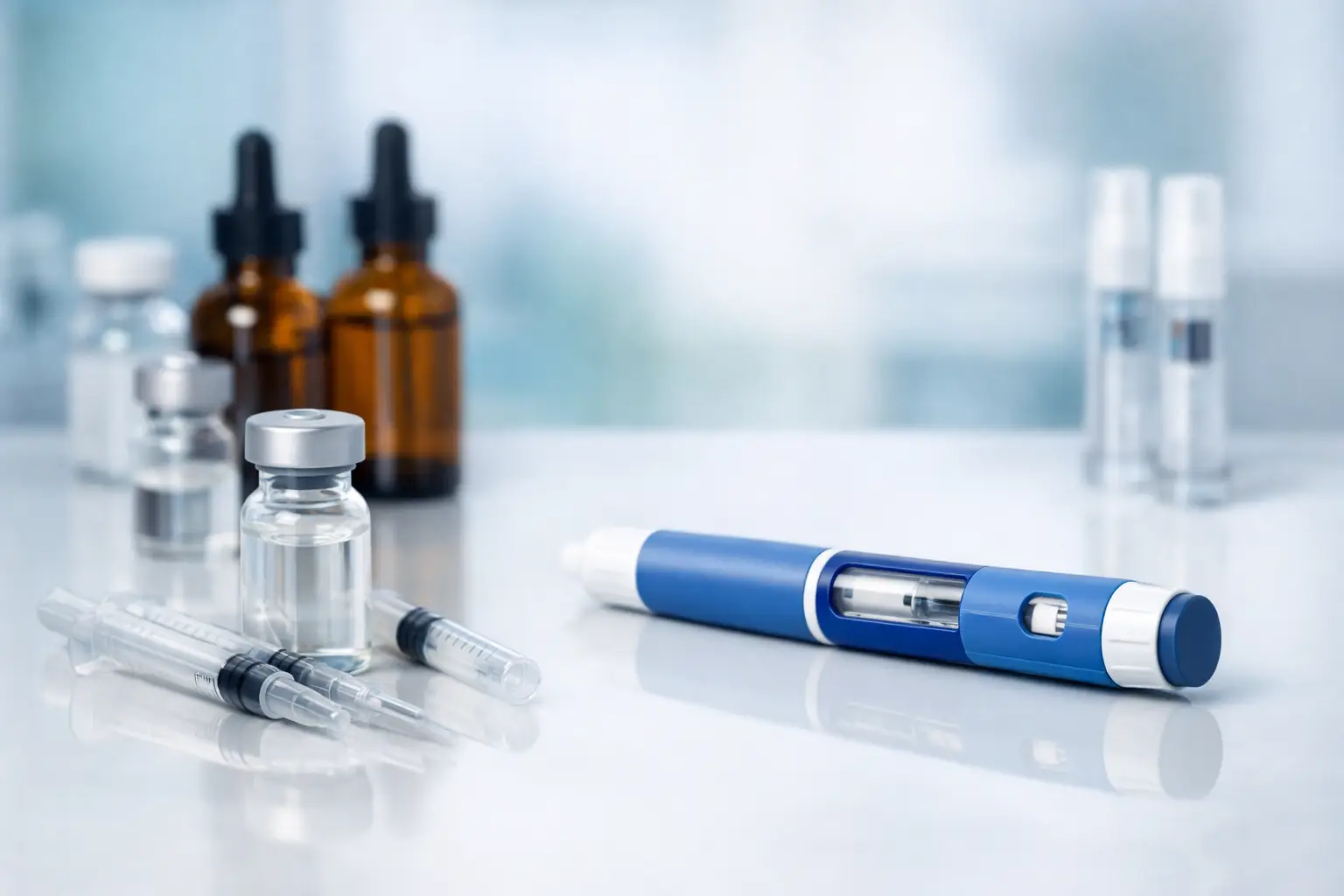
Peptide therapy in Pembroke Pines FL may offer targeted, customizable support for weight, recovery, and metabolic health when administered through a provider-reviewed program. Results vary and depend on the peptide, dosing, lifestyle changes, and whether you are eligible.
Ready to find out if you qualify? Start Free Assessment — No payment required
What is peptide therapy and how does it work?
Peptides are short chains of amino acids that act as signaling molecules in the body. In therapeutic form, peptides bind to specific receptors to modulate hormones, inflammation, tissue repair, appetite, and metabolic pathways.
In practical terms, that means different peptides have different mechanisms: some stimulate growth hormone release (eg, sermorelin, ipamorelin), others support tissue repair and inflammation control (eg, BPC-157, TB-500), and newer metabolic peptides or analogs (eg, GLP-1 receptor agonists like semaglutide) can influence appetite and glucose handling. For comparisons, see our pages on semaglutide in Florida and semaglutide vs tirzepatide.
Common compounds used in peptide therapy
Peptide therapy in clinical practice may include several classes of compounds. Growth hormone–releasing peptides such as sermorelin, CJC-1295, and ipamorelin may be used to support lean mass, sleep, and recovery. Repair peptides like BPC-157 and TB-500 are often explored for localized healing and inflammation control.
Metabolic agents overlap with peptide pharmacology; semaglutide (a GLP-1 analog) is a peptide-based medication used for weight and glycemic control and is available through dedicated programs. Our online weight loss Florida offerings include telehealth pathways to determine eligibility for these and other treatments. Learn about program structure at /programs and pricing at /pricing.
Mechanism of action: targeted signaling and modulation
Most therapeutic peptides work by mimicking or enhancing natural signaling molecules. For example, GLP-1 receptor agonists act on receptors in the brain and gut to reduce appetite and slow gastric emptying, potentially lowering caloric intake. Growth hormone–releasing peptides stimulate the pituitary to increase pulsatile growth hormone production, which can affect body composition and recovery.
Because peptides often have short half-lives and specific receptor targets, dosing and delivery (usually subcutaneous injection) are tailored to the individual. Telehealth programs that are provider-reviewed can help ensure dosing, monitoring, and follow-up are appropriate for each patient’s needs and medical history.
Safety profile and monitoring
Peptide therapy may cause side effects that commonly include injection-site reactions, mild gastrointestinal symptoms, headaches, or transient fatigue. The safety profile varies by compound: GLP-1 analogs may cause nausea and require monitoring for pancreatitis risk factors, while growth hormone–stimulating peptides may affect glucose metabolism or interact with certain conditions.
A provider-reviewed telehealth program helps manage safety by screening for contraindications, reviewing medications and medical history, and ordering baseline labs as needed. If eligible, ongoing monitoring and dose adjustments may be recommended to minimize risks. These programs operate in FL and NY only and follow regional clinical guidelines.
Who may benefit from peptide therapy?
Adults struggling with weight, metabolic concerns, low energy, impaired recovery, or hormone-related symptoms may potentially benefit from peptide protocols if they are eligible after a clinical review. Peptides are often used as part of a broader plan that includes nutrition, activity, and behavior modification rather than as a stand-alone solution.
Candidates with active cancer, pregnancy, breastfeeding, or certain uncontrolled conditions may not be appropriate for peptide therapy. A provider-reviewed assessment ensures individual suitability and helps set realistic expectations, including that outcomes vary and no specific result can be guaranteed.
Why provider review matters
Provider review matters because peptides are biologically active and require individualized assessment to be used safely. A licensed clinician evaluates your medical history, medications, and lab results to determine which peptides may be appropriate and whether any monitoring or dose changes are needed.
Telehealth models that include provider review combine convenience with clinical oversight, reducing the chance of inappropriate self-prescribing or misuse. Our program routes assessments to clinicians who practice in FL and NY and can coordinate testing, prescriptions, and follow-up care when recommended.
Built from Eden Med Spa — real patients, real treatments.
Ready to find out if you qualify? Start Free Assessment — No payment required
Integrating peptide therapy into a weight or wellness plan
Peptide therapy is most effective when integrated into a comprehensive plan that addresses diet, exercise, sleep, and stress management. For patients focused on weight, peptide options may be considered alongside or after evaluating GLP-1 therapies; review our semaglutide vs tirzepatide resource to understand differences.
Our provider-reviewed pathways can help determine whether peptide therapy, GLP-1 analogs, or combination strategies are the right fit. Learn about program structure and options at /programs and see common cost frameworks at /pricing.
Access and logistics in Pembroke Pines, FL
EdenRx offers telehealth consultations and follow-up care in Florida and New York; if you are located in Pembroke Pines, FL, you can start with a free assessment online to determine eligibility. If a peptide prescription is appropriate, clinicians will provide guidance on dosing, administration, storage, and monitoring.
Delivery and follow-up are coordinated through our platform, and in some cases, patients may have ancillary visits or lab work arranged locally. For more about how our telehealth weight-loss services work in Florida, see /online-weight-loss-florida.
Frequently Asked Questions
Q: What is peptide therapy and what does it treat? A: Peptide therapy uses short amino-acid chains that act as signaling molecules. It may be used to support weight management, recovery, metabolic health, or hormone modulation depending on the peptide and if eligible.
Q: Are peptides safe to use long term? A: Long-term safety depends on the specific peptide and individual health factors. Provider review and periodic monitoring can help reduce risks; ongoing evaluation is recommended.
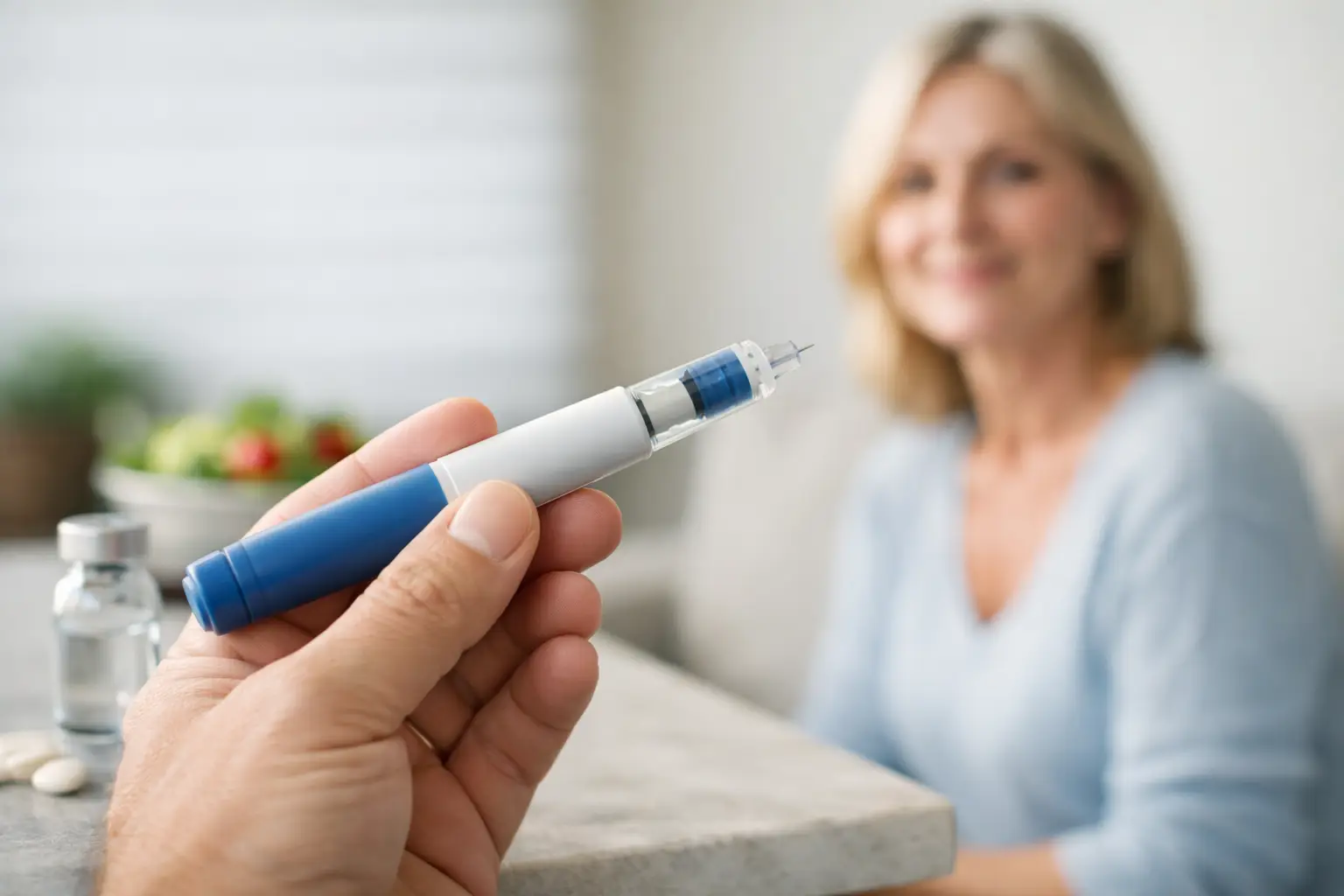
Q: How is peptide therapy delivered? A: Most clinical peptide therapies are administered by subcutaneous injection. Your clinician will teach injection technique, storage, and scheduling if therapy is prescribed.
Q: Will peptide therapy cure my condition? A: Peptide therapy may help manage symptoms or support goals but does not cure disease. Results vary by person, peptide, and adherence to the comprehensive plan.
Q: Can I combine peptides with GLP-1 medications like semaglutide? A: Combining therapies is a clinical decision that depends on safety, interactions, and goals. A provider-reviewed program can assess appropriateness and monitor for interactions; see our resource on semaglutide in Florida.
Q: How do I start with EdenRx in Pembroke Pines, FL? A: Begin with a free online assessment so clinicians can review your history and determine eligibility. If eligible, the team will recommend testing, dosing, and follow-up.
Conclusion
Peptide therapy in Pembroke Pines FL may provide targeted, customizable support for weight, recovery, and metabolic goals when managed through a provider-reviewed telehealth program. If you live in Florida or New York and are curious about whether peptide options may suit your health needs, start with a free assessment to learn if you are eligible and what a safe, monitored plan might look like.
Ready to find out if you qualify? Start Free Assessment — No payment required