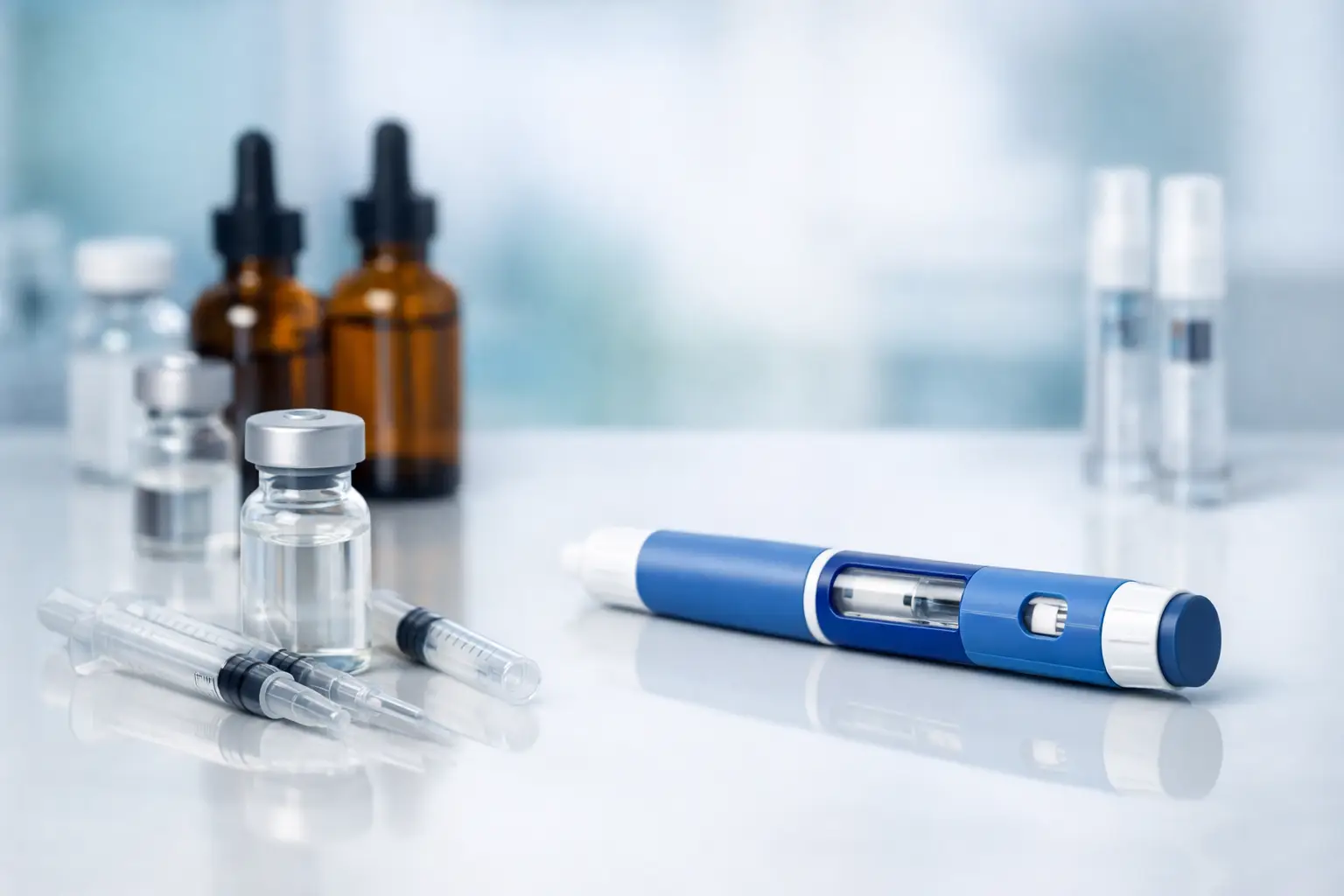


Peptide stacking NAD+ BPC-157 refers to the combined use of two biologically active compounds — nicotinamide adenine dinucleotide (NAD+) and Body Protection Compound-157 — to potentially support cellular energy production and tissue recovery simultaneously. While research is still evolving, many clinicians are exploring how these compounds may complement each other when used under provider supervision.
Ready to find out if you qualify? Start Free Assessment — No payment required.
What Is Peptide Stacking and Why Does It Matter?
Peptide stacking is the practice of combining two or more peptides or bioactive compounds to potentially achieve synergistic effects that neither compound might deliver as effectively on its own. Rather than a one-size-fits-all approach, stacking is tailored to an individual's health goals — whether that's cellular recovery, metabolic support, or enhanced energy — and is always best pursued under licensed medical oversight.
The concept has gained traction in the functional and integrative medicine space as patients seek more personalized, science-informed approaches to wellness. At EdenRx, our weight loss and wellness programs are built around exactly this philosophy: evidence-informed, provider-reviewed protocols designed for eligible patients in Florida and New York. Results vary by individual, and no outcomes are guaranteed.
Understanding NAD+: The Cellular Energy Coenzyme
NAD+ (nicotinamide adenine dinucleotide) is a coenzyme found in every living cell and is essential to hundreds of metabolic reactions. It plays a critical role in converting nutrients into usable energy through cellular respiration, and it is a key substrate for enzymes involved in DNA repair and cellular stress response. NAD+ levels naturally decline with age, which has led researchers to investigate supplementation as a potential strategy for supporting metabolic function.
In a clinical context, NAD+ is sometimes administered via IV infusion or subcutaneous injection to potentially support energy metabolism, neurological function, and overall cellular resilience. If eligible, patients exploring weight loss online may find that optimizing cellular energy pathways is an important foundational step alongside other interventions. As with all compounds discussed here, use should be supervised by a licensed healthcare provider, and individual responses may vary.
Understanding BPC-157: The Body Protection Compound
BPC-157 is a synthetic pentadecapeptide derived from a protein found in human gastric juice. It has been studied extensively in preclinical (animal) models for its potential roles in tissue repair, angiogenesis (the formation of new blood vessels), and modulation of growth factor signaling. Early research suggests it may support healing in muscle, tendon, ligament, and gut tissue, though large-scale human clinical trials are still ongoing.
In the integrative medicine setting, BPC-157 is sometimes discussed as a recovery-supportive compound — potentially reducing inflammation and accelerating tissue repair after injury or physical stress. For patients on a GLP-1 weight loss program, maintaining lean muscle and supporting musculoskeletal health during caloric deficit phases is a meaningful consideration, and BPC-157 may potentially play a complementary role when deemed appropriate by a supervising provider. This compound is not FDA-approved for therapeutic use in humans, and all administration must occur under qualified medical guidance.
How NAD+ and BPC-157 May Work Together
The theoretical synergy between NAD+ and BPC-157 lies at the intersection of energy metabolism and tissue repair. NAD+ supports the cellular machinery needed for repair processes — including the activation of sirtuins and PARP enzymes that respond to DNA damage and oxidative stress. BPC-157, meanwhile, may promote the downstream healing signals that benefit from a well-energized cellular environment. Together, they potentially create conditions more favorable to recovery and cellular renewal.
Think of it this way: NAD+ may help "power" the cellular environment, while BPC-157 may direct some of that energy toward targeted tissue repair signals. This is a simplified model, and the actual biochemistry is far more complex and individualized. Patients interested in whether this combination might be appropriate for them are encouraged to check who qualifies for weight loss medication and speak with a provider who can assess their full clinical picture before recommending any protocol.
Safety Profile: What Patients Should Know
Both NAD+ and BPC-157 are generally considered to have favorable tolerability profiles in the doses studied, but this does not mean they are without risk or appropriate for everyone. NAD+ infusions may cause transient side effects such as flushing, nausea, or headache, particularly at higher doses or faster infusion rates. BPC-157 research in humans remains limited, and long-term safety data are not yet fully established.
Safety is always the first priority at EdenRx. Our provider-reviewed model means that no compound is recommended without a thorough evaluation of your health history, current medications, and individual goals. Peptide stacking is not appropriate for patients who are pregnant, breastfeeding, or have certain underlying conditions. Before considering any peptide protocol, we encourage you to review our pricing and program options and complete a full clinical assessment with one of our licensed providers.
Why Provider Review Matters
The wellness market is flooded with peptide products sold without a prescription or medical oversight, and the risks of unsupervised use are real. Dosing errors, contaminated compounded products, and interactions with existing medications are all genuine concerns that a qualified provider is trained to identify and mitigate. At EdenRx, every patient protocol — from GLP-1 therapies to peptide stacking consultations — is reviewed by a licensed clinician before any recommendation is made.
Provider review also ensures that your protocol evolves with your progress. What works in the first month may need to be adjusted as your body responds, your labs change, or your goals shift. This ongoing clinical relationship is what separates a safe, effective wellness journey from a potentially harmful DIY experiment. If you're curious about whether you may be a candidate for any of our programs, start your free assessment today — no payment is required to find out if you qualify.
Mid-Page Check-In: Wondering if peptide stacking or weight loss support is right for you? Explore our programs and take the first step — it only takes a few minutes.
Built from Eden Med Spa — real patients, real treatments.
EdenRx is rooted in the clinical experience of Eden Med Spa, where providers have worked with real patients pursuing real health goals. Our telehealth platform brings that same commitment to personalized, evidence-informed care to eligible patients across Florida and New York — all from the convenience of your home.
Frequently Asked Questions
Q: What exactly is peptide stacking NAD+ BPC-157? A: Peptide stacking NAD+ BPC-157 is the combined use of two bioactive compounds — NAD+, a cellular energy coenzyme, and BPC-157, a synthetic peptide studied for tissue repair — under medical supervision to potentially achieve complementary wellness effects.
Q: Is BPC-157 FDA-approved? A: No. BPC-157 is not currently FDA-approved for therapeutic use in humans. It is available through compounding pharmacies and must be used only under the supervision of a licensed healthcare provider.
Q: Who might benefit from NAD+ and BPC-157 together? A: Adults experiencing low cellular energy, prolonged recovery times, or musculoskeletal concerns may potentially benefit, if eligible. A licensed provider must evaluate your full health history before any recommendation is made. Results vary.
Q: Are there side effects I should know about? A: NAD+ may cause temporary flushing, nausea, or headache. BPC-157 human safety data are still limited. Both compounds should only be used under qualified medical supervision. Always disclose your full medication and supplement list to your provider.
Q: Can I combine these peptides with a GLP-1 weight loss program? A: Potentially, if deemed appropriate by your supervising provider. EdenRx's GLP-1 weight loss program is individually tailored, and any additional compounds would be evaluated on a case-by-case basis. No guaranteed outcomes.
Q: How do I get started with EdenRx in Florida or New York? A: Simply complete our free assessment online. A provider will review your responses and determine whether you may qualify for any of our programs. EdenRx currently serves eligible patients in Florida and New York only.
Conclusion: A Thoughtful, Provider-Guided Approach to Peptide Wellness
Peptide stacking NAD+ BPC-157 represents an exciting frontier in personalized wellness — one that may offer meaningful support for cellular energy, recovery, and overall metabolic health for the right candidates. But "may" is the operative word: individual biology, health history, and clinical context all determine whether this approach is appropriate and safe for any given person.
At EdenRx, we believe that the most effective wellness journeys are built on transparency, clinical oversight, and genuine patient-provider relationships. Whether you're exploring peptides, GLP-1 medications, or a comprehensive weight loss plan, our team is here to help you navigate your options safely and thoughtfully.
Ready to take the next step? Start your free assessment at EdenRx — no payment required, no commitment. Find out today if you may qualify for a provider-reviewed program in Florida or New York. Results vary by individual.