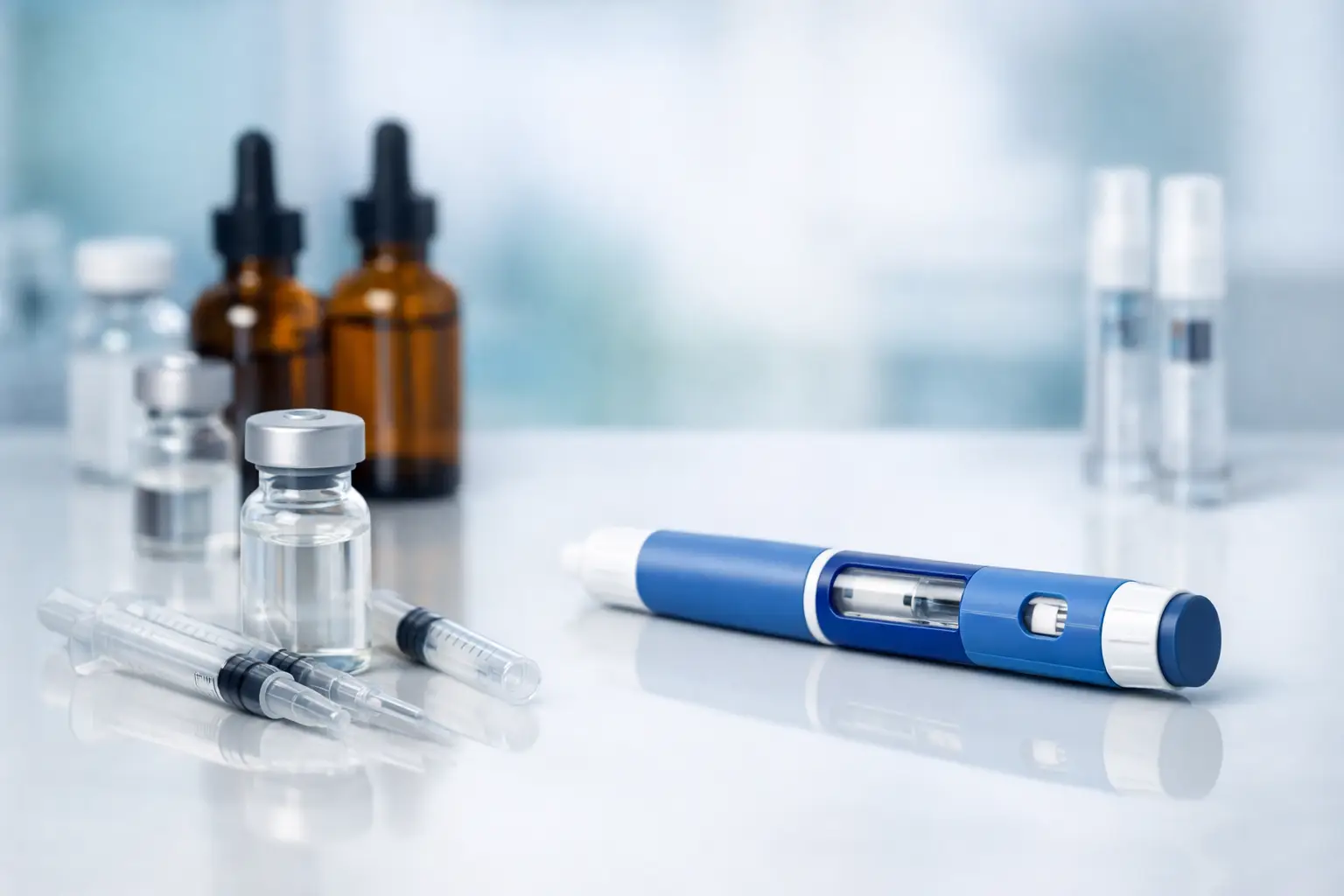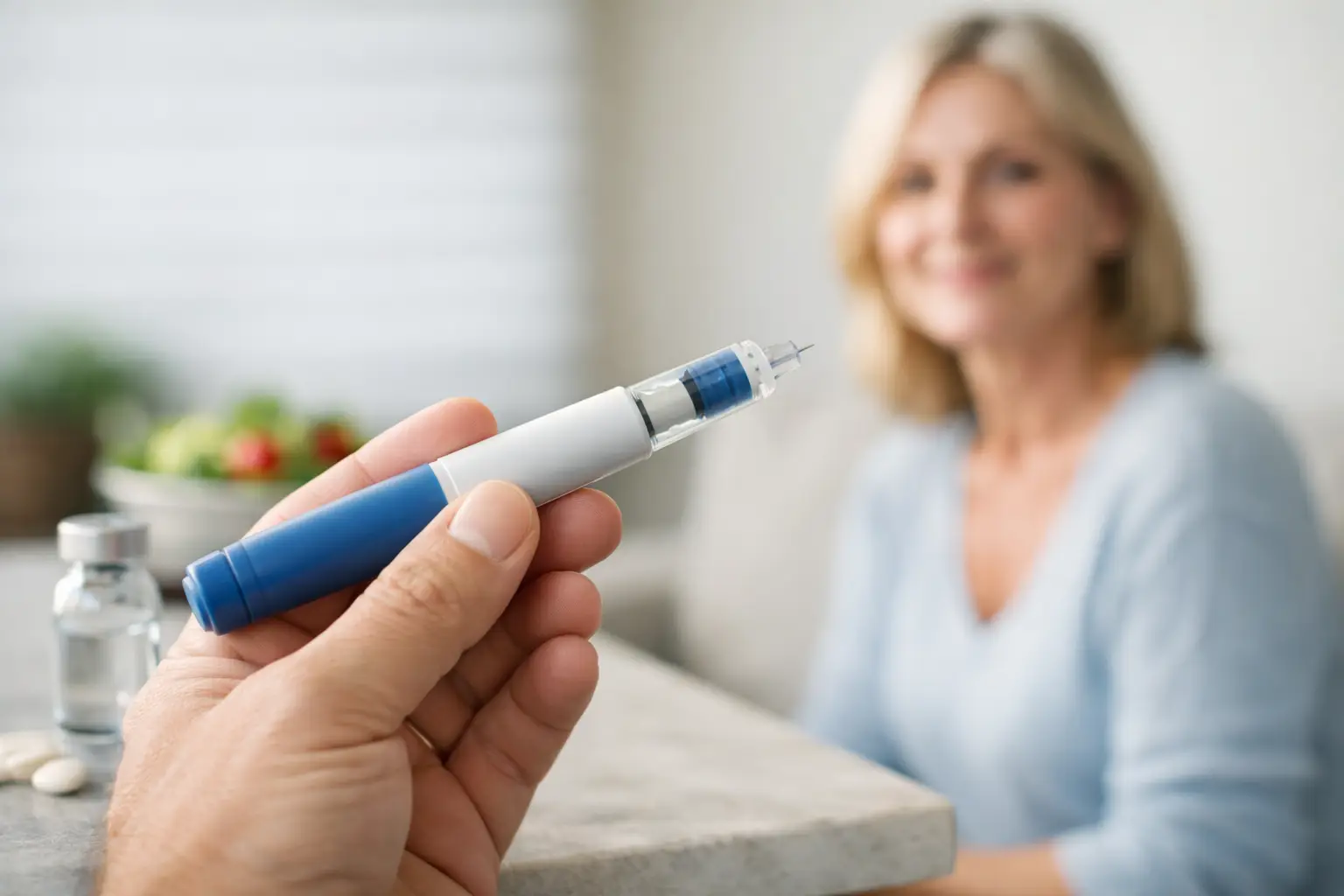


Obesity treatment history GLP-1 has shifted dramatically over the past century, moving from unproven fad diets and hazardous drugs to targeted therapies like GLP-1 receptor agonists that potentially help with sustained weight loss. If eligible, patients in Florida and New York may find telehealth options that pair provider-reviewed care with established treatment plans.
Ready to find out if you qualify? Start Free Assessment — No payment required
A short history: from fad diets to medical interventions
The modern search for weight loss solutions began long before clinical trials and molecular biology. Early 20th-century approaches often emphasized extreme calorie restriction, novelty diets, and patent medicines that promised fast results without scientific backing. Many of these fad diets were popularized by media and celebrities, but offered little long-term benefit and sometimes caused nutritional deficiencies.
Medical interventions emerged as understanding of metabolism grew. Surgeons developed bariatric procedures that dramatically changed outcomes for some patients, while pharmacologic attempts tried to address appetite and energy balance. These early medications included stimulants and thyroid extracts that sometimes produced short-term weight reduction but carried significant safety concerns.
Mid-century medications and safety lessons
By mid-century, amphetamines and thyroid hormones were among the earliest prescription approaches to weight loss. While effective in some patients, these agents often produced dependency, cardiovascular risks, and other adverse effects. The experience underscored the importance of safety data, long-term studies, and careful medical oversight in obesity care.
A pivotal moment arrived with combination drugs such as fenfluramine-phentermine (fen-phen) in the 1990s. Though initially celebrated, post-market surveillance revealed associations with heart valve disease and pulmonary hypertension, leading to withdrawal and stricter regulatory scrutiny. These episodes emphasized that weight loss efficacy must be balanced with robust safety monitoring.
The rise of bariatric surgery and multidisciplinary care
As pharmacologic tools evolved slowly, bariatric surgery matured into an effective option for people with severe obesity. Procedures like gastric bypass and sleeve gastrectomy showed durable weight loss and improvements in metabolic diseases, including type 2 diabetes. However, surgery is not appropriate or desired by everyone and requires lifelong follow-up and nutritional monitoring.
The success of surgical approaches helped shift the field toward comprehensive, multidisciplinary care that includes behavioral therapy, nutrition counseling, physical activity, and medical management. Today’s best practices recognize obesity as a chronic disease that potentially benefits from combination strategies tailored to individual needs.
GLP-1s: how they changed the landscape
Glucagon-like peptide-1 (GLP-1) receptor agonists are a class of medications originally developed to treat type 2 diabetes. They act on brain pathways that regulate appetite and on peripheral mechanisms that affect digestion and blood sugar. Clinical trials found that higher-dose GLP-1s, such as semaglutide and related agents, can lead to significant weight loss compared with placebo, reshaping expectations for medical obesity treatment.
While GLP-1 therapies may offer promising results, they are not guaranteed cures. Side effects such as gastrointestinal upset are common, and long-term outcomes are still being studied. Eligibility is determined by medical evaluation, and these therapies may be appropriate for certain patients who meet clinical criteria and are under provider supervision.
Telehealth, programs, and who may qualify
Telehealth has made obesity care more accessible, allowing patients in Florida and New York to connect with clinicians for assessment, follow-up, and medication management. Provider-reviewed programs can integrate prescriptions like GLP-1s with nutrition coaching, behavior change support, and monitoring tools. Explore options like our /weight-loss-online and /glp1-weight-loss-program pages to learn about program structure.
Determining eligibility typically involves a medical history, vital signs, BMI assessment, and screening for contraindications. If eligible, a provider may recommend lifestyle interventions alongside medication. To find out if you meet criteria, visit /who-qualifies-for-weight-loss-medication or begin a free evaluation at /assessment. Pricing and program tiers are available at /pricing and detailed program descriptions at /programs.
Why provider review matters
Provider review is essential because obesity treatment is medical care that requires individualized assessment. Clinicians evaluate underlying causes, comorbid conditions, potential drug interactions, and safety considerations. A provider-reviewed plan may reduce risk and improve outcomes compared with self-directed approaches or unregulated treatments.
Provider oversight also supports long-term follow-up for medication adjustments, management of side effects, and coordination of complementary care such as nutrition counseling or specialist referral. Telehealth programs that include clinician review aim to match patients with evidence-based strategies while monitoring progress over time.
Built from Eden Med Spa — real patients, real treatments.
Interested in a structured approach? Start Free Assessment to see if a program may fit your needs — no payment required.
Practical considerations: benefits, risks, and expectations
GLP-1 medications may help reduce appetite and improve metabolic health, but individuals respond differently. Some people experience substantial weight loss; others see more modest changes. Side effects such as nausea or gastrointestinal discomfort are common early in treatment and often improve with dose adjustments.
It’s important to set realistic expectations: medication is usually part of a broader plan that includes dietary changes, increased physical activity, and behavioral strategies. Results vary, and benefits may decrease if medication is stopped. Ongoing clinical evaluation helps determine whether continuing therapy is appropriate.
Accessing care in FL and NY through EdenRx
EdenRx provides provider-reviewed telehealth services for patients in Florida and New York, pairing clinical oversight with online convenience. Our programs aim to evaluate medical suitability, discuss treatment options like GLP-1 therapy, and create collaborative plans tailored to each patient’s goals and medical history.
If you’re curious about cost or program length, see our /pricing and /programs pages for details. To start, many patients begin with a free /assessment to confirm eligibility and discuss next steps. Remember that any medication may have risks, and suitability is determined case-by-case.
Frequently Asked Questions
Q: What does "GLP-1" mean and how does it work? A: GLP-1 stands for glucagon-like peptide-1, a hormone that affects appetite and digestion. GLP-1 receptor agonists mimic this hormone and may reduce hunger and slow gastric emptying, potentially aiding weight loss when used with lifestyle changes.
Q: Are GLP-1 medications safe? A: GLP-1 medications have been studied in clinical trials and may be safe for many patients, but they can cause side effects like nausea, vomiting, or abdominal discomfort. Long-term safety is being evaluated, and provider oversight is important to monitor risks.
Q: Who might qualify for GLP-1 therapy through telehealth? A: Qualification typically depends on BMI, medical history, and absence of contraindications. You may see if you qualify by beginning a free assessment at /assessment or reviewing criteria at /who-qualifies-for-weight-loss-medication. Eligibility is determined by a clinician.
Q: Can I get GLP-1 medication if I live outside FL or NY? A: EdenRx services are currently available to patients in Florida and New York only. Telehealth prescribing follows state regulations, and availability may vary.
Q: How long will I need to stay on medication? A: Treatment duration varies. Some people may continue for years under medical supervision, while others may change strategies. Stopping medication can lead to weight regain for some patients, so decisions are made with your provider.
Q: How much does treatment cost? A: Costs depend on medication choice, program features, and follow-up frequency. See /pricing for current program costs and options. Some plans combine medication management with coaching or support services described at /programs.
Conclusion
The history of obesity treatment shows steady progress from unproven fads and risky drugs to evidence-based approaches and sophisticated medicines like GLP-1s. While these therapies may offer meaningful benefits for many patients, they are most effective when prescribed and monitored by clinicians within a comprehensive care plan.
If you live in Florida or New York and are curious whether a provider-reviewed program may help, start with a no-cost evaluation. Start Free Assessment — you may learn you’re eligible for a tailored plan that includes medical oversight and structured support.
Built from Eden Med Spa — real patients, real treatments.