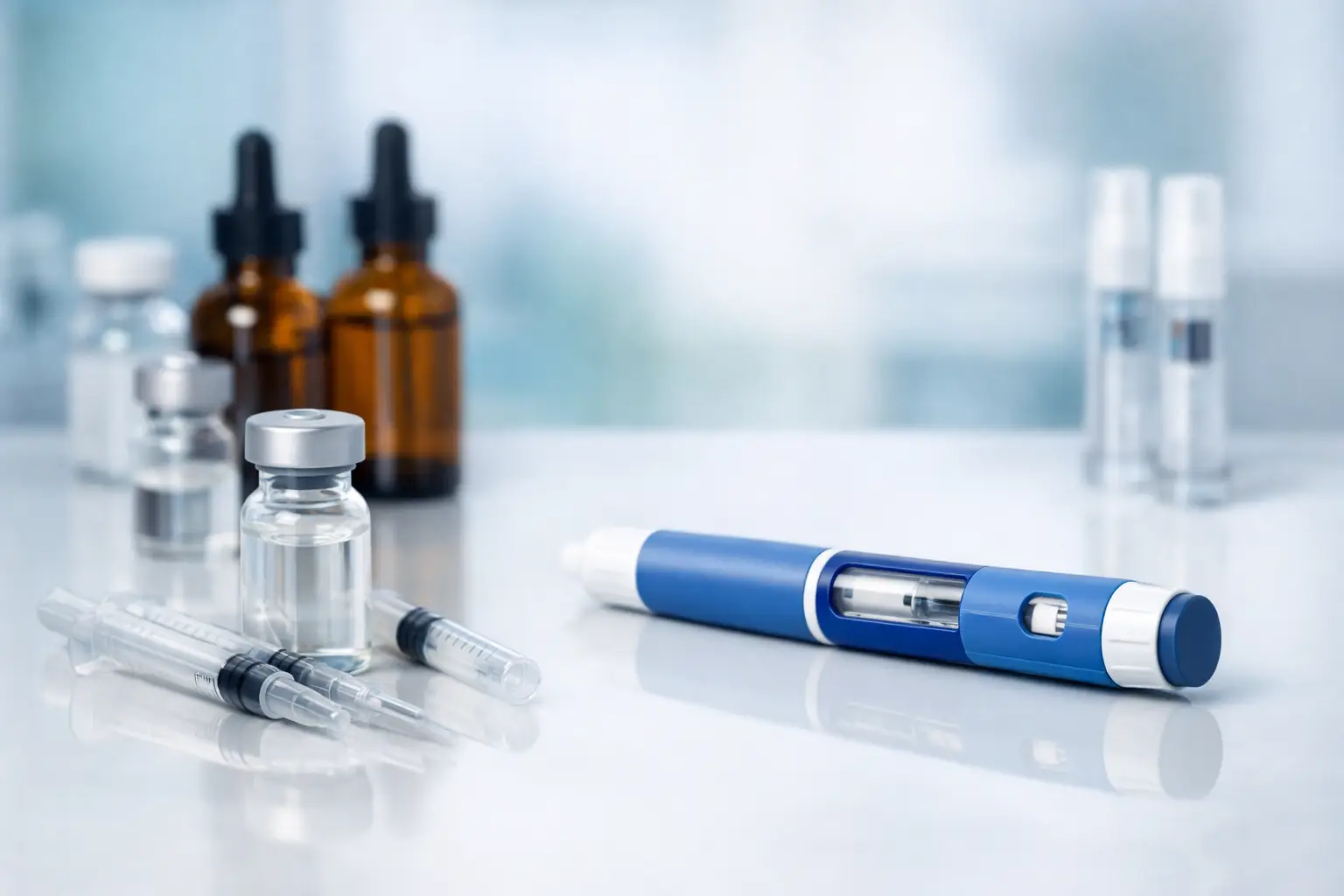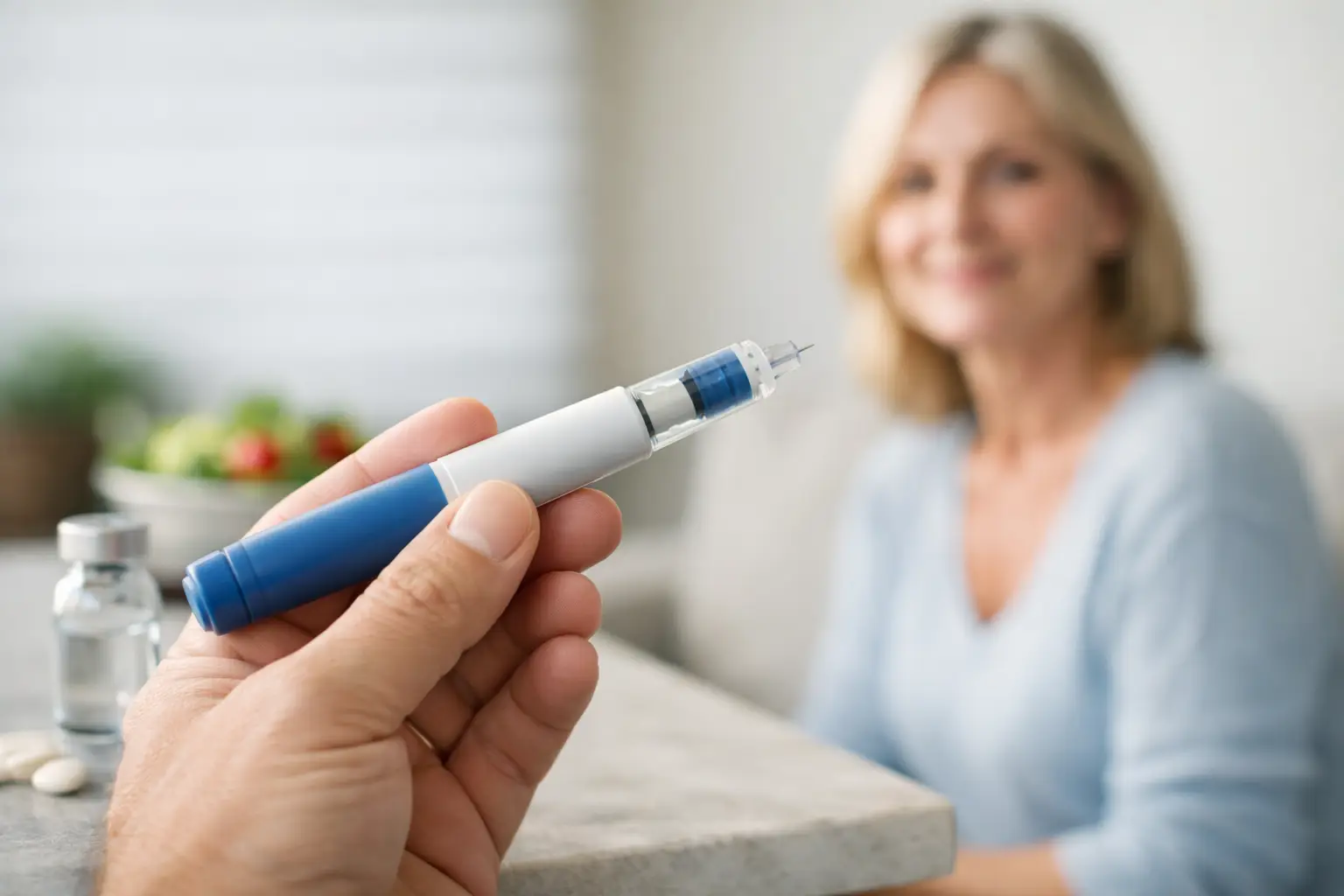


Beauty professionals can open a supportive door to clients considering weight loss by offering respectful, informed referrals that prioritize health and consent. A brief, compassionate suggestion and a vetted clinical pathway may connect clients to evidence-based telehealth programs if eligible.
Ready to find out if you qualify? Start Free Assessment — No payment required
Why referrals matter in a beauty setting
Beauty professionals often develop trusted, recurring relationships with clients, which creates a unique opportunity to notice wellness concerns and offer resources. Referrals can be an empathetic way to suggest medical evaluation without making diagnoses; they may help clients find weight management options and a supervised approach to medications like GLP-1 therapies if appropriate.
When referrals are framed as optional, client-centered suggestions, they respect autonomy and reduce stigma. Include a clear statement that any medical treatment requires clinical review, and that outcomes may vary; this keeps the conversation professional and consistent with scope-of-practice boundaries.
How to start the conversation respectfully
Begin with open-ended questions and affirmations: ask how clients feel about their health goals and whether they would like resources. Use language that focuses on wellness and function rather than appearance, and always seek permission before offering medical referrals: "Would you like information on safe, supervised weight loss programs?" is neutral and non-pressuring.
Avoid specific medical advice or suggesting particular medications unless you are clinically qualified. Instead, offer to share vetted clinical partners or resources like our telehealth pathways Assessment and program pages so clients can explore with a licensed provider if they choose.
Practical steps for making a referral
Keep a short, simple referral process: have printed or digital materials ready, list nearby or telehealth providers, and know how to guide clients to start a free screening. For EdenRx, you can point clients to our Start Free Assessment page and to informational pages like /weight-loss-online or /glp1-weight-loss-program to learn more about program structure.
Collecting basic consent is important—ask clients if they'd like contact details or a follow-up email. If you offer a digital referral, include links to pricing and program options such as /pricing and /programs so clients can make informed decisions about next steps at their own pace.
Screening considerations and boundaries
Beauty professionals can benefit from a checklist that flags when a medical referral is appropriate: client expresses interest in medical weight loss, mentions prior failed attempts, or asks about prescription options. At the same time, recognize red flags that require immediate medical attention and advise urgent clinical care when needed.
Be transparent about your role: you are not diagnosing or prescribing. Encourage clients to use resources like "Who Qualifies" information found at /who-qualifies-for-weight-loss-medication and to complete a medical assessment with a provider. This protects both you and your client by ensuring clinical decisions are made by licensed professionals.
Partnering with telehealth services safely
When selecting partners, choose provider-reviewed platforms that emphasize clinical oversight, privacy, and clear pricing. Telehealth programs that offer documented provider review and accessible patient support may better match clients seeking convenient, supervised care. Share provider-reviewed options and explain that a medical provider will review their case to determine what, if any, treatments may be appropriate.
EdenRx offers telehealth weight loss pathways with provider review for patients in Florida and New York only, and we recommend referring clients to our informational pages like /weight-loss-online and the /glp1-weight-loss-program to learn more about potential options and program details.
Why Provider Review Matters
A licensed provider review ensures that any weight loss medications or programs are safe for the individual, based on medical history, current medications, and comorbidities. This step reduces risk, aligns expectations, and helps determine if a client may be eligible for options that could potentially aid weight loss under supervision.
Provider review also allows for ongoing monitoring, dose adjustments, and coordination with primary care when necessary. For beauty professionals referring clients, emphasizing that a clinician must confirm eligibility helps maintain ethical referrals and supports client safety.
Built from Eden Med Spa — real patients, real treatments.
Ready to find out if you qualify? Start Free Assessment — No payment required
Frequently Asked Questions
Q: Can I suggest weight loss medications to my client? A: If you are not a licensed prescriber, avoid suggesting specific medications. You can, however, offer referrals to licensed telehealth providers who may evaluate whether medications are appropriate if eligible.
Q: What should I include in a referral resource for clients? A: Provide clear contact links, a short description of the service, information about privacy and pricing, and encourage clients to complete a medical assessment like the one at /assessment before starting any treatment.
Q: Are GLP-1 therapies available through telehealth? A: Some telehealth programs include GLP-1 options after a clinician review. Clients must complete a medical evaluation to determine eligibility; outcomes and suitability vary by individual and by state regulations (services available in Florida and New York only).
Q: How do I handle a client who seems medically unstable? A: If a client shows signs of medical emergency (chest pain, severe shortness of breath, fainting, or severe psychiatric distress), advise immediate emergency care. For non-emergent but concerning issues, recommend they contact their primary care provider or a telehealth clinician for prompt evaluation.
Q: Will my referral guarantee access to treatment? A: No referral does not guarantee access. Eligibility for treatments may depend on medical history, current medications, and provider assessment. You can help by directing clients to reputable programs and encouraging them to complete clinical screening.
Q: How do I maintain client privacy when referring? A: Share only what the client consents to and direct them to secure, HIPAA-compliant telehealth platforms. Avoid transmitting medical details without clear permission and suggest the client complete the assessment directly with the provider.
Conclusion
Beauty professionals can play a meaningful, supportive role in connecting clients to medically supervised weight loss resources by keeping conversations compassionate, boundaries clear, and referrals clinical and vetted. Pointing clients to trusted telehealth assessments and provider-reviewed programs helps ensure decisions are made by licensed clinicians and that safety remains the priority.
If you or a client want to explore telehealth weight loss with clinical oversight, start with a free assessment to see if you may be eligible. Remember that all treatments are subject to provider review and results may vary.
Ready to find out if you qualify? Start Free Assessment — No payment required