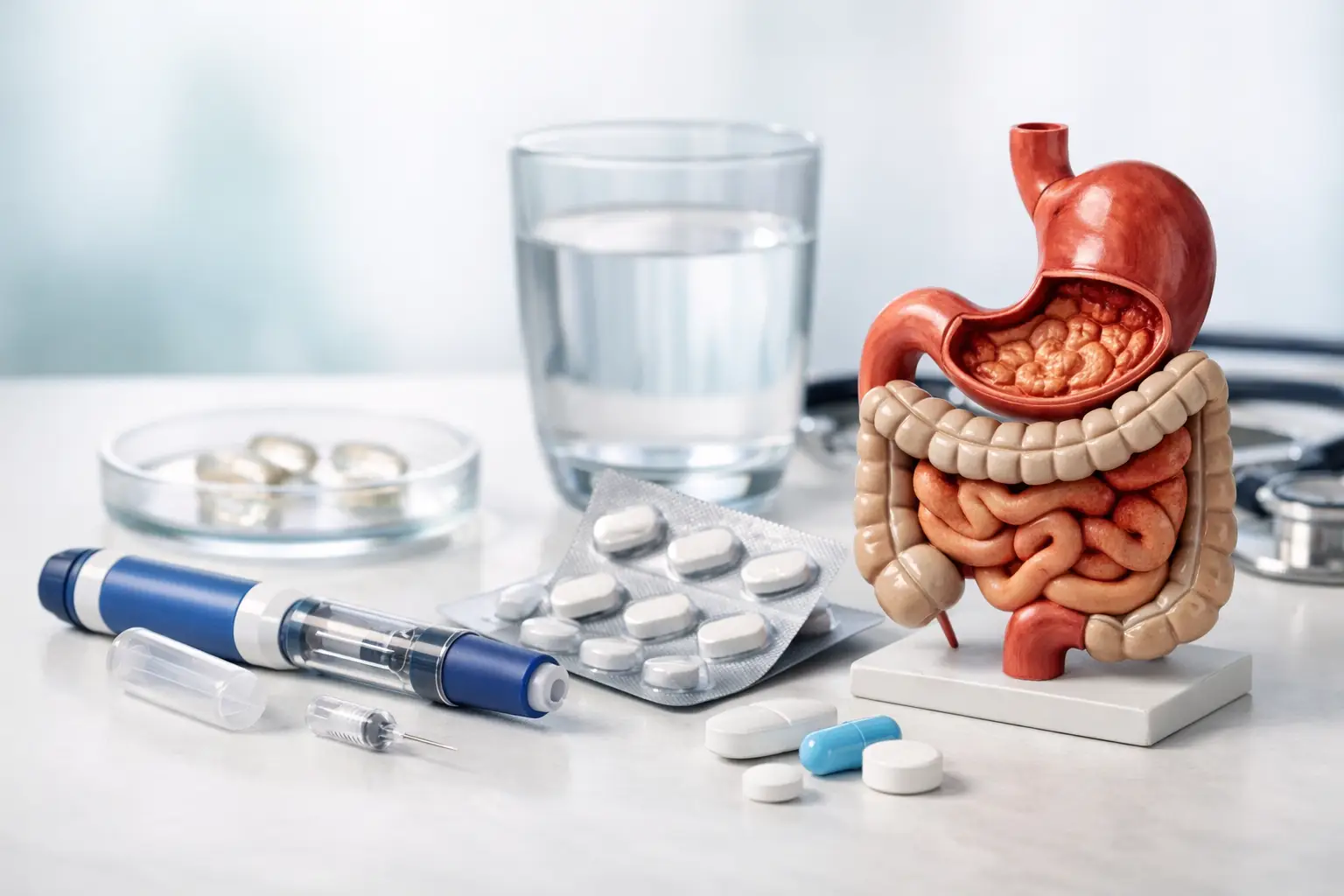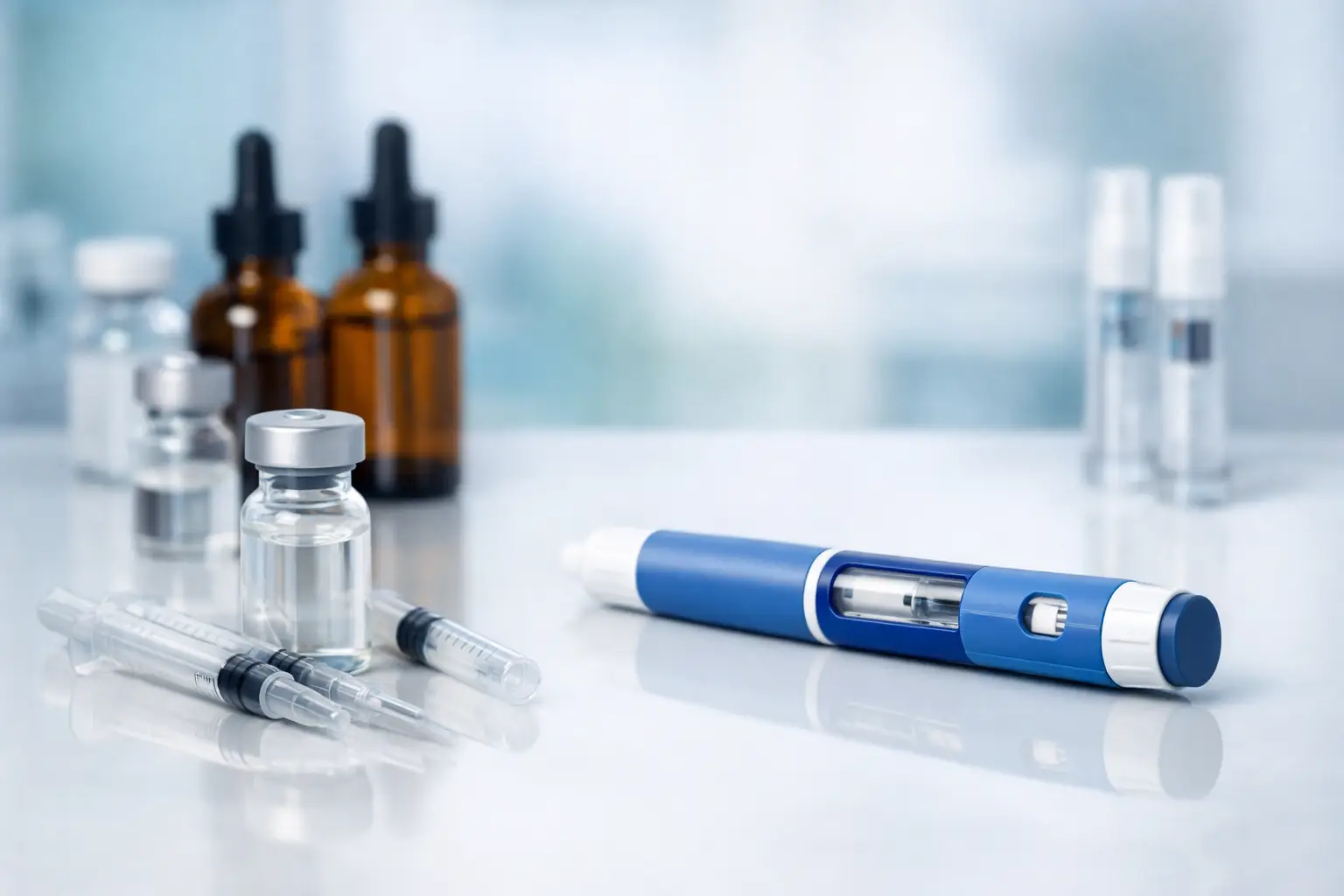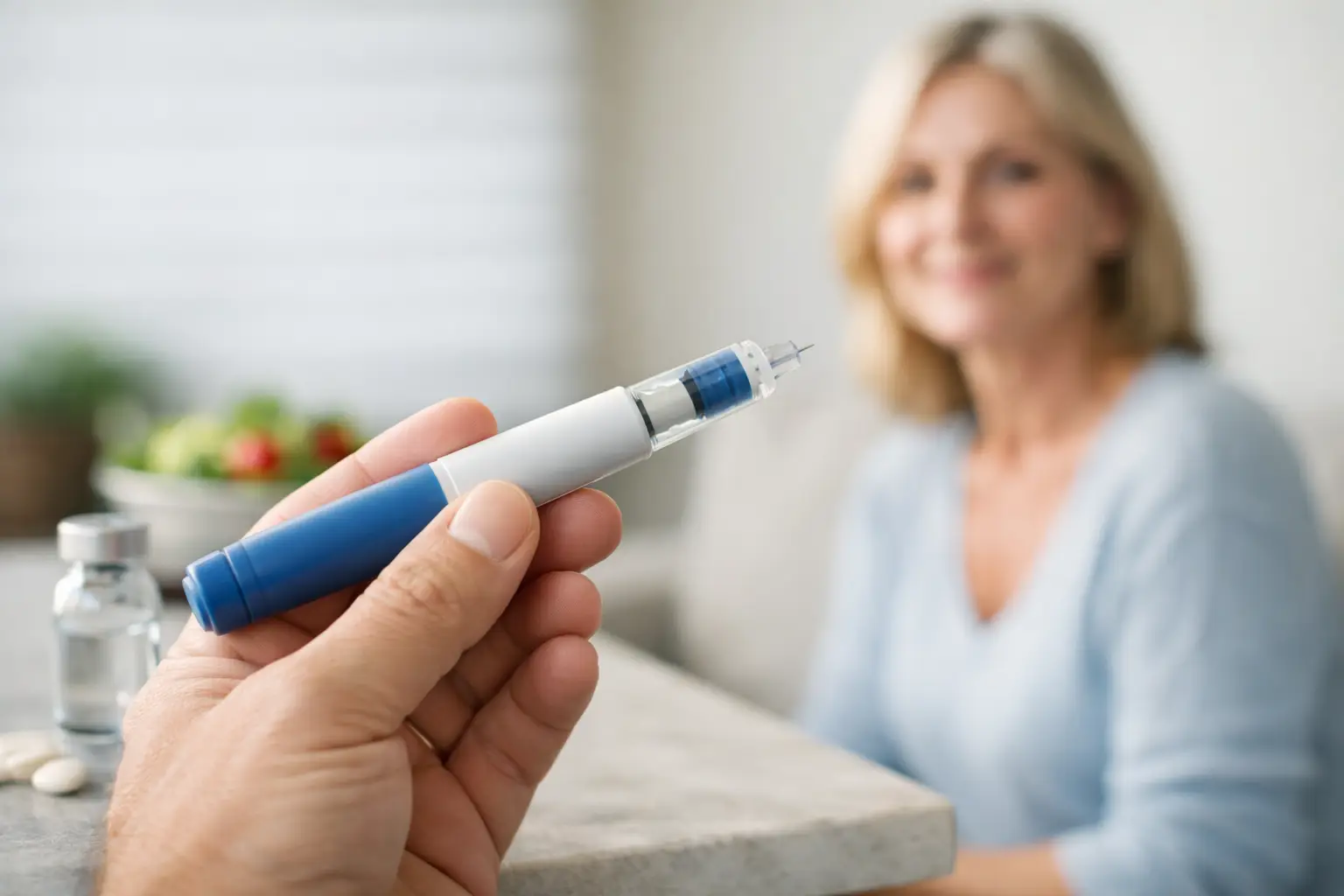


Peptide therapy in Palm Harbor FL may help support metabolism, recovery, and targeted physiologic effects when used under clinical supervision. If eligible, an online provider-reviewed program can guide safe prescribing, monitoring, and follow-up tailored to Florida and New York patients.
Ready to find out if you qualify? Start Free Assessment — No payment required
What is peptide therapy?
Peptide therapy uses short chains of amino acids—peptides—that act as signaling molecules in the body. Unlike large protein drugs, peptides are designed to mimic or influence natural biological messengers and thereby modify processes such as growth hormone release, inflammation, appetite regulation, and tissue repair.
In practical terms, peptide therapy is not a one-size-fits-all cure. Different peptides target different pathways, and a licensed clinician must evaluate whether a peptide regimen is appropriate based on medical history, labs, and treatment goals. Our online pathway routes Palm Harbor FL patients through provider review to ensure eligibility and safety.
Common peptides and how they work
Common peptides used in clinical practice include growth hormone–releasing peptides like sermorelin and ipamorelin, tissue-repair peptides like BPC-157 and TB-500, and metabolic modulators such as certain GLP-1–adjacent peptides. Growth hormone–stimulating peptides may potentially increase lean mass and improve recovery by encouraging endogenous growth hormone release.
Tissue-repair peptides may help local healing processes by influencing inflammation and collagen deposition, while metabolic peptides can influence appetite and glucose regulation. For patients focused on weight management, peptide options may be considered alongside or compared with medications such as semaglutide; learn more about how these approaches compare at /semaglutide-vs-tirzepatide and our semaglutide program at /semaglutide-florida.
Safety profile and monitoring
Peptides generally have shorter half-lives and distinct safety profiles depending on the compound. Common, usually mild side effects include injection-site reactions, transient headaches, or gastrointestinal changes. More serious effects are rare but may occur, which is why provider review and appropriate laboratory monitoring are important before and during therapy.
Patients with certain medical conditions, pregnant or breastfeeding people, and those on some medications may not be eligible for specific peptides. Our program requires clinician assessment and, when indicated, baseline labs and periodic follow-up to monitor response and safety. For details on costs and program tiers, see our /pricing page.
Who may benefit from peptide therapy
Adults experiencing age-related declines in recovery, low energy linked to hormonal changes, or specific tissue-repair needs may potentially benefit from peptide-based approaches if clinically indicated. Athletes or active adults seeking improved recovery might see supportive benefits for healing when peptides are used appropriately under supervision.
Peptide therapy is not guaranteed to produce specific outcomes and is not a replacement for foundational care such as diet, exercise, and evidence-based medical treatments. People primarily seeking weight loss should consider comparative options, including our online weight-loss services at /online-weight-loss-florida and our full list of programs at /programs.
How our online provider-reviewed program works
Our Palm Harbor FL patients begin with a confidential online assessment to collect medical history and goals; this is the same starting point for New York patients where eligible. Clinicians review the assessment, request necessary labs, and determine whether peptide therapy is appropriate and which compound(s) may be considered.
If a peptide regimen is prescribed, the program includes education on administration, dosing, potential side effects, and follow-up scheduling. Telehealth check-ins and lab monitoring help ensure safety and guide adjustments. Start the process anytime via /assessment.
Why Provider Review Matters
Provider review ensures peptides are prescribed based on individualized clinical judgment rather than off-the-shelf protocols. A licensed clinician evaluates contraindications, drug interactions, and laboratory data to reduce risk and tailor dosing for the person, which is particularly important given the range of available peptides and potency differences.
Provider review also supports continuity of care: clinicians can coordinate peptide therapy with existing treatments and recommend alternative evidence-based options when peptides are not appropriate. Our review process is designed to be thorough while remaining convenient for Palm Harbor FL residents and New York patients eligible for telehealth prescribing.
Built from Eden Med Spa — real patients, real treatments.
Ready to find out if you qualify? Start Free Assessment — No payment required
Frequently Asked Questions
Q: What compounds are typically prescribed in peptide therapy? A: Commonly prescribed peptides include growth hormone–releasing peptides (e.g., sermorelin, ipamorelin), tissue-repair peptides (e.g., BPC-157, TB-500), and other targeted signaling peptides. Specific prescription choices depend on clinical goals and provider evaluation.
Q: Is peptide therapy safe? A: When prescribed and monitored by a licensed clinician, peptides may be used safely for eligible patients. Side effects can occur, and careful screening, baseline labs, and follow-up are important to minimize risk.
Q: How does peptide therapy compare to semaglutide or tirzepatide for weight management? A: Peptides and GLP-1/GIP medications work through different mechanisms. For weight-focused care, many patients consider GLP-1 or dual agonists; review comparative options at /semaglutide-vs-tirzepatide and our semaglutide offering at /semaglutide-florida to see what may be most appropriate.
Q: Will insurance cover peptide therapy? A: Coverage varies by plan and by the specific peptide prescribed. Many peptide treatments are considered elective or off-label for certain indications and may not be covered. See our /pricing page for program cost information.
Q: How are peptides administered? A: Many peptides are delivered by subcutaneous injection, though formulation and dosing schedules vary. Our clinicians provide clear instruction and support for safe at-home administration when appropriate.
Q: Who is not a candidate for peptide therapy? A: People who are pregnant, breastfeeding, or have certain uncontrolled medical conditions may not be eligible. A licensed provider review is required to determine candidacy and to identify safer alternatives if peptides are not recommended.
Conclusion
Peptide therapy in Palm Harbor FL may offer targeted, clinician-guided options for people seeking improved recovery, metabolic support, or specific tissue-healing effects when used as part of a comprehensive care plan. Eligibility depends on individual health factors, and a provider-reviewed pathway helps ensure safety and appropriate monitoring.
Ready to explore whether peptide therapy is a fit for you? Start Free Assessment — No payment required. For program options, pricing, and more, visit /programs or /pricing.