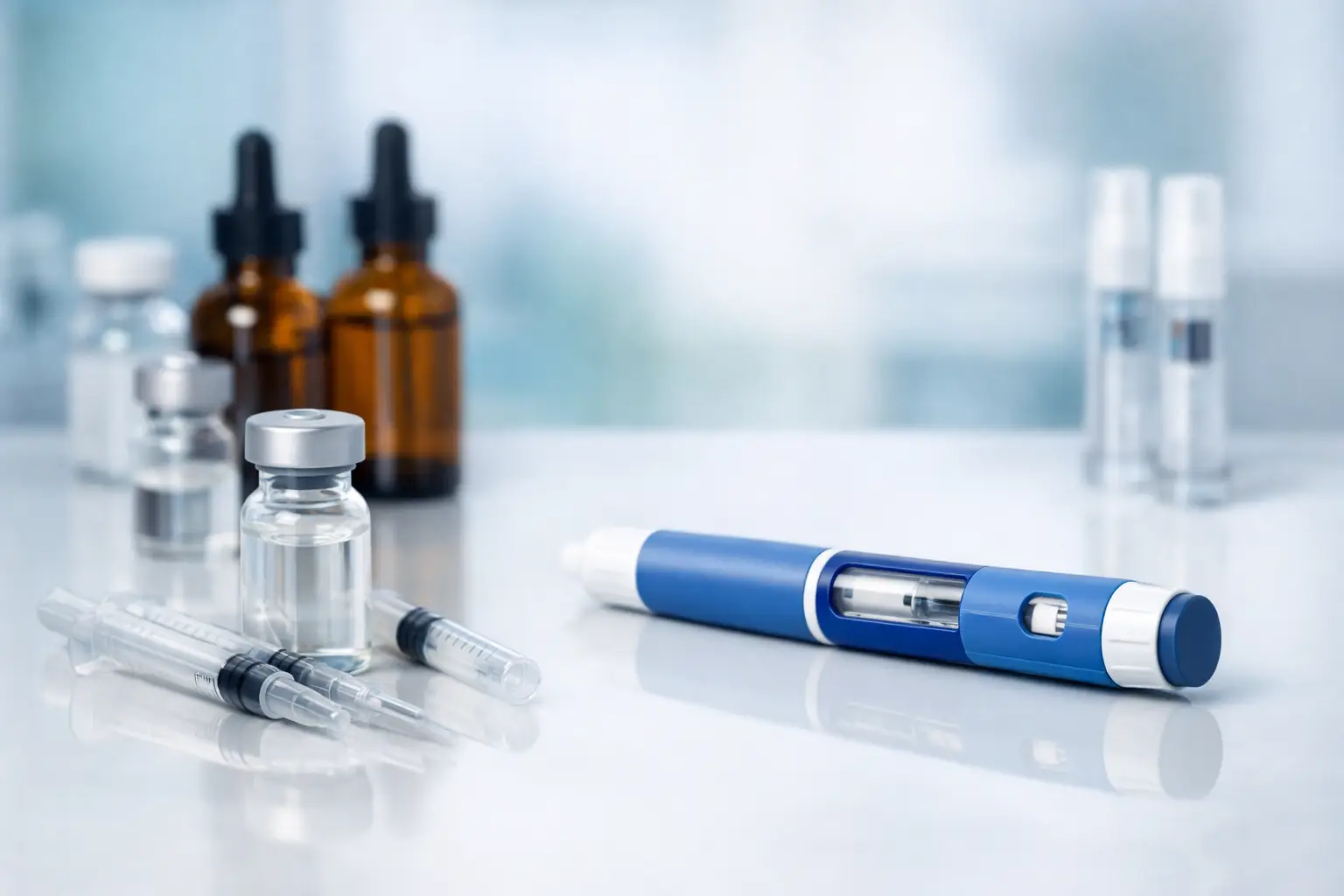


Peptide therapy in Coral Springs, FL is an individualized, provider-reviewed telehealth program that may support metabolic health, body composition, and overall wellness when prescribed and monitored by a licensed clinician. Results vary and depend on the peptide chosen, underlying health conditions, and adherence to a comprehensive treatment plan.
Ready to find out if you qualify? Start Free Assessment — No payment required
What is peptide therapy?
Peptide therapy uses short chains of amino acids—peptides—that act as signaling molecules in the body. In medical practice, specific peptides are prescribed at controlled doses to influence pathways such as metabolism, growth hormone release, inflammation, and tissue repair.
Peptides are distinct from large-protein biologics in their size and mechanism; many are administered by injection and are formulated to target particular receptors or physiological processes. In a provider-reviewed program, a licensed clinician evaluates your medical history, goals, and labs before recommending any peptide regimen.
How our online, provider-reviewed program works in Coral Springs
EdenRx offers a telehealth pathway for patients in Florida and New York that begins with an online evaluation and medical history review. After completing the Start Free Assessment, clinicians determine eligibility, review necessary labs, and discuss treatment options aligned with your goals and safety profile.
If eligible, you receive a customized plan with dosing instructions, at-home administration training when appropriate, and ongoing follow-up. Our telehealth approach integrates with in-person testing or local lab work as needed and connects patients with specialists through our programs and care team.
Common peptide compounds and how they work
Peptides used in metabolic or wellness programs vary by mechanism. Examples include:
- GLP-1 receptor agonists (peptide-based) such as semaglutide, which may reduce appetite and help regulate blood sugar; learn more at our semaglutide in Florida page.
- Dual agonists like tirzepatide (a peptide-based GIP/GLP-1 agonist) that may affect both insulin sensitivity and appetite; compare these options at semaglutide vs tirzepatide.
- Growth-hormone releasing peptides such as sermorelin and ipamorelin, which potentially stimulate endogenous growth hormone release to support body composition and recovery.
- Tissue-support peptides like BPC-157 and TB-500, which may be used experimentally for localized healing and inflammation modulation.
Each compound targets specific receptors or signaling pathways. A provider-reviewed program matches mechanism to patient goals—for example, metabolic peptides for appetite and glycemic control, or regenerative peptides for musculoskeletal support—only if medically appropriate.
Safety profile and monitoring
Peptide therapy may produce side effects that depend on the compound. Common, generally mild effects include injection-site reactions, transient gastrointestinal symptoms (nausea, constipation), headaches, or mild fluid shifts. More serious adverse events are less common but possible and require immediate medical attention.
A provider-reviewed program emphasizes safety: clinicians screen for contraindications (such as pregnancy, certain cancers, pancreatitis risk, or severe cardiac disease), order baseline labs, and schedule follow-up monitoring. If a peptide requires more intensive oversight, your plan may include periodic lab work, vitals checks, and dose adjustments based on response and tolerability. For cost transparency, visit our pricing page to understand program fees and medication costs.
Who may benefit from peptide therapy?
Patients who may be considered for peptide therapy typically include adults seeking targeted medical approaches to metabolic health, weight management, body composition, or recovery from specific injuries when other standard interventions have been evaluated. Candidates undergo a medical review to determine if a peptide is appropriate and safe for them.
Peptide therapy may be offered as part of a broader care plan that includes nutrition, exercise, and behavioral counseling. It is not a stand-alone solution and may be combined with other evidence-based treatments offered through our online weight loss Florida services or wider programs depending on eligibility.
Why Provider Review Matters
Provider review ensures peptides are prescribed only after a clinician verifies medical necessity, contraindications, and appropriate dosing. Unlike unsupervised or direct-to-consumer models, a provider-reviewed program documents informed consent, monitors for adverse effects, and coordinates care with your primary provider when necessary.
This oversight helps reduce risks related to inappropriate use, interactions with existing medications, or unaddressed medical conditions. Provider review also supports continuity of care: clinicians can modify therapy based on labs, symptoms, or life changes and can discontinue treatment if it appears ineffective or unsafe.
Built from Eden Med Spa — real patients, real treatments.
Ready to find out if you qualify? Start Free Assessment — No payment required
Frequently Asked Questions
Q: What is included in a provider-reviewed peptide program? A: The program typically includes a medical evaluation, eligibility review, baseline labs if needed, a personalized treatment plan, medication sourcing and instructions, and scheduled follow-up visits to monitor safety and response.
Q: Are peptides safe to use long-term? A: Safety depends on the specific peptide, dose, and individual health factors. Some peptides have limited long-term data, so clinicians may recommend periodic reassessment and monitoring and will discuss known risks and uncertainties before starting therapy.
Q: Will I need injections? A: Many peptide therapies are administered via subcutaneous injection; your clinician will train you on technique, storage, and disposal. Some peptides have oral or other formulations, but injections are common to ensure bioavailability.
Q: How soon might I notice effects? A: Timing varies by peptide and individual. Some patients report changes within days to weeks, while others may need several months to evaluate treatment impact. Results may potentially improve with adherence to an overall health plan.
Q: Who is not a candidate for peptide therapy? A: Patients who are pregnant, breastfeeding, have certain active cancers, or have specific uncontrolled medical conditions may be ineligible. A full medical review during the assessment identifies contraindications and alternatives.
Q: How does peptide therapy compare with GLP-1 medications like semaglutide or tirzepatide? A: Some peptides such as semaglutide and tirzepatide act on GLP-1 pathways and are considered in metabolic care. Our resources at semaglutide in Florida and semaglutide vs tirzepatide outline differences in mechanism, dosing, and potential effects. A clinician will help determine which option, if any, may be appropriate.
Conclusion
Peptide therapy in Coral Springs, FL may offer a targeted, clinician-supervised option for patients seeking metabolic, regenerative, or wellness support, provided they are eligible and understood the potential benefits and risks. EdenRx’s provider-reviewed telehealth program connects patients in Florida and New York with licensed clinicians who evaluate medical history, recommend evidence-informed options, and monitor treatment over time.
Ready to learn if peptide therapy is a fit for your goals? Start Free Assessment to begin—no payment required, available to eligible patients in FL and NY. For program options and pricing details, visit our programs and pricing pages.