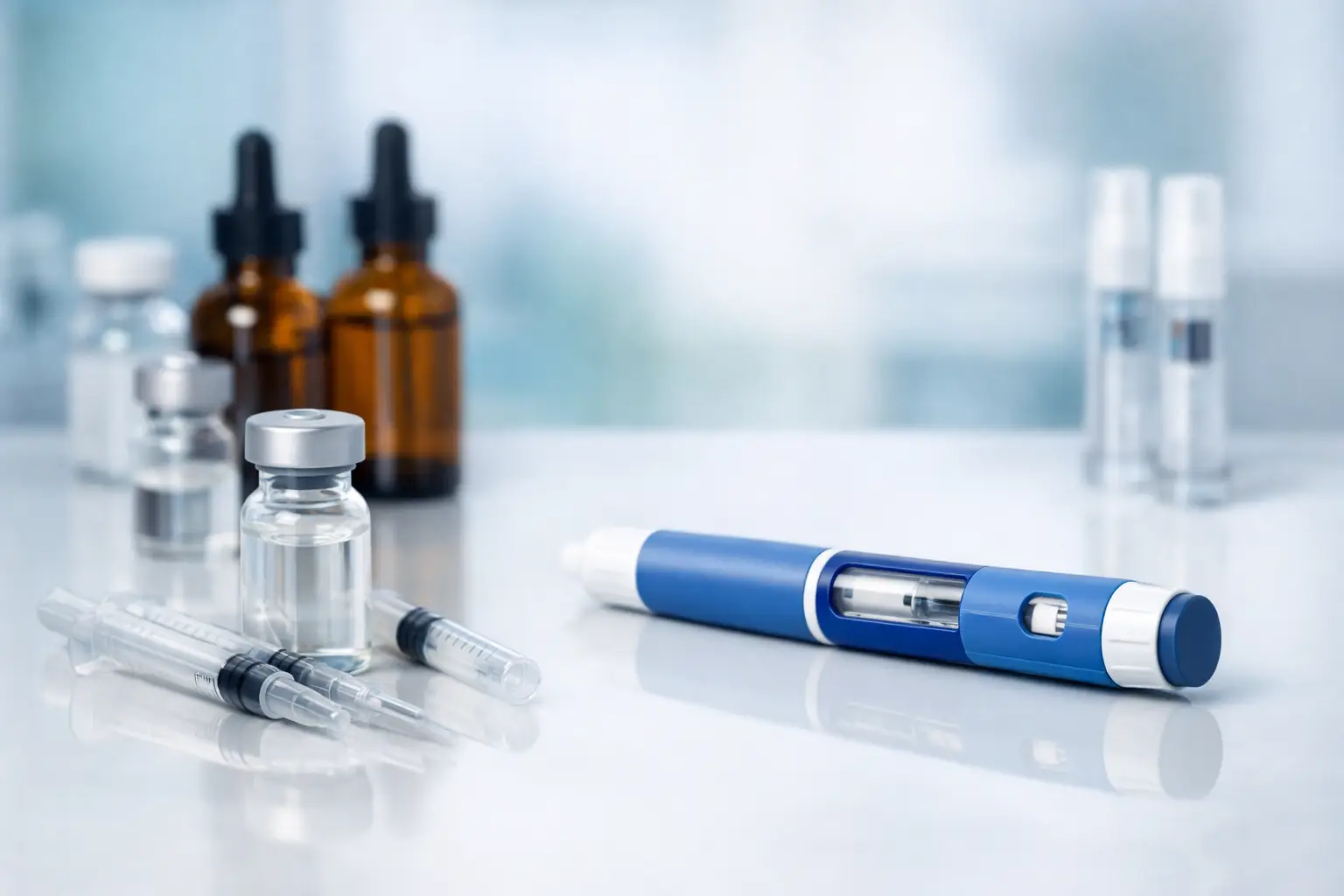
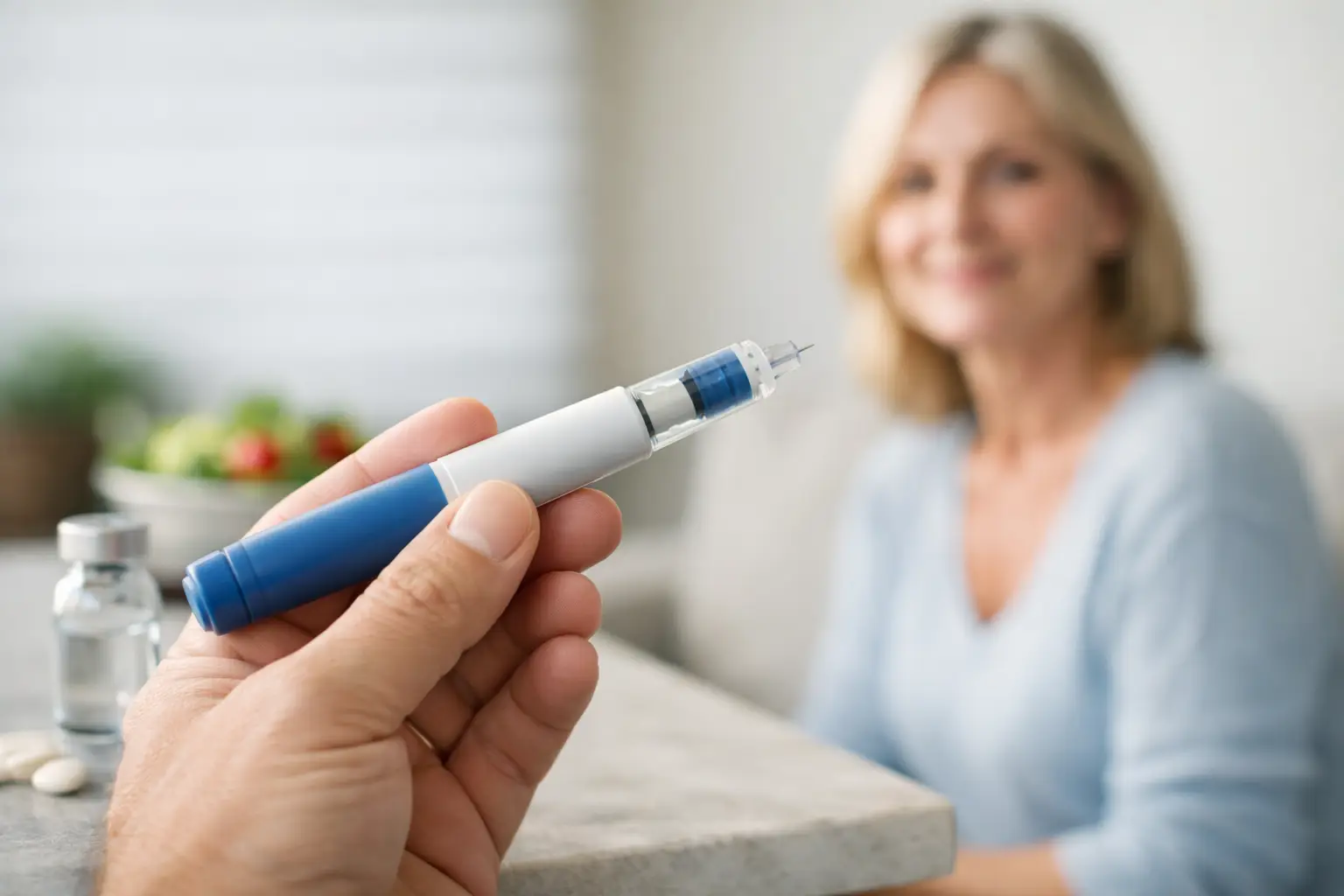
BPC-157 is a synthetic peptide derived from a protein in gastric juice that may support tissue repair and reduce inflammation; in Kissimmee, FL, it is offered through provider-reviewed telehealth programs for eligible patients. It is not a cure, and results vary by individual; any use should be medical supervised and compliant with Florida and New York telehealth policies.
Ready to find out if you qualify? Start Free Assessment — No payment required
What is BPC-157 and how does it work?
BPC-157 is a short chain peptide originally isolated from a naturally occurring stomach protein. Research, mostly preclinical and early clinical, suggests the peptide may promote angiogenesis, modulate inflammation, and support tissue remodeling. This means BPC-157 may help processes involved in tendon, ligament, muscle, and gastrointestinal tissue recovery when administered under medical supervision.
Mechanistically, BPC-157 appears to influence growth factor pathways, nitric oxide signaling, and local immune responses rather than acting like a hormone. While laboratory and animal studies show promising biological effects, clinical evidence in humans is still emerging, so treatments are offered with caution and provider oversight.
Who may potentially benefit from BPC-157 peptide kissimmee fl programs?
Potential candidates include adults with localized soft tissue injuries, chronic tendon pain, or certain recovery needs who have not achieved adequate progress with standard conservative care. Athletes, people recovering from repetitive strain, or patients with some chronic musculoskeletal complaints may inquire about BPC-157 as an adjunctive option if eligible and medically appropriate.
BPC-157 is not universally appropriate. Patients with active infection, certain uncontrolled medical conditions, or those who are pregnant or breastfeeding will likely be excluded. A provider-reviewed assessment ensures an individualized eligibility determination; start with our online assessment to see if you may qualify.
Safety profile and what to expect
Safety data for BPC-157 in humans remains limited. Reported adverse effects in available studies and clinical practice are generally mild but can include local injection site reactions, transient fatigue, or gastrointestinal symptoms. Because comprehensive long-term safety studies are lacking, a conservative, monitored approach is used by provider-reviewed programs in Kissimmee, FL.
Before beginning therapy, a licensed clinician will review medical history, medications, and relevant labs to reduce risks and identify contraindications. Monitoring during treatment helps detect side effects early; if you have questions about interactions with other therapies such as GLP-1 medications, discuss them with your provider. For broader weight loss programs and peptide-adjunct considerations, see our pages on /semaglutide-florida and /online-weight-loss-florida.
Typical treatment pathway in a provider-reviewed telehealth program
A provider-reviewed program begins with a clinical intake and medical review, often completed online. At EdenRx, you can complete the initial screening through our /assessment, after which a licensed clinician evaluates your medical suitability, discusses goals, and outlines a personalized plan that may include dosing, duration, and monitoring recommendations.
If eligible, treatment is dispensed with clear instructions for use, follow-up appointments, and safety checks. Pricing and program options are transparent; review details on /pricing and /programs to understand package structure, follow-up frequency, and telehealth visit cadence. Telehealth delivery in Florida allows local regulatory compliance while enabling access to specialty-reviewed care.
How BPC-157 fits into broader wellness and recovery plans
BPC-157 is best considered part of a multimodal approach rather than a standalone solution. Physical therapy, targeted exercise, nutrition, and medical management are commonly combined with peptide treatments to support functional recovery and long-term outcomes. Discussing comprehensive plans with your clinician helps align expectations and minimize overlapping risks.
If you are evaluating options for metabolic or weight-related goals, consult our comparisons between popular therapies like /semaglutide-vs-tirzepatide to understand where peptide adjuncts may fit alongside GLP-1 medications. Any combination approach requires provider review to confirm safety and appropriateness, particularly for FL and NY patients.
Why Provider Review Matters
Provider review ensures that a licensed clinician evaluates your full medical history, current medications, and relevant risk factors before recommending BPC-157. This step reduces the risk of inappropriate use, helps identify contraindications, and sets measurable, realistic goals for therapy. Provider oversight is especially important because human data remains limited and regulatory guidance varies by region.
Clinical review also supports safer monitoring, dose adjustments, and clear instructions for administration and follow-up. Programs that include provider review are better positioned to integrate peptide care into a broader, evidence-aligned plan and to direct patients to alternative, well-studied therapies when appropriate.
Built from Eden Med Spa — real patients, real treatments.
Ready to find out if you qualify? Start Free Assessment — No payment required
Frequently Asked Questions
Q: What is the difference between BPC-157 and other peptides? A: BPC-157 is a peptide derived from gastric proteins with a focus on tissue repair and inflammation modulation. Other peptides may target metabolic regulation, growth hormone pathways, or hormone replacement. Your provider can explain relative uses and where BPC-157 may be appropriate.
Q: Is BPC-157 approved by the FDA? A: As of now, BPC-157 does not have broad FDA approval for specific clinical indications. Its use in clinical practice is guided by provider discretion, available evidence, and regional regulations. Any program that offers it should do so under careful medical review.
Q: How long until I might see effects? A: Response times vary. Some individuals report changes in pain or function within weeks, while others may need longer or may not notice benefit. There are no guaranteed timelines; results vary and depend on the condition, concurrent therapies, and individual health.
Q: Are there interactions with weight loss medications like semaglutide? A: There is limited evidence on direct interactions between BPC-157 and GLP-1 medications. If you are taking or considering therapies such as semaglutide, discuss coordinated care with your clinician. For more on GLP-1 options, see /semaglutide-florida and comparison information at /semaglutide-vs-tirzepatide.
Q: Can I start BPC-157 through telehealth in Kissimmee, FL? A: Telehealth programs can evaluate and, if appropriate, prescribe or recommend BPC-157 for eligible patients in Florida and New York. Start with our online /assessment to initiate provider review and confirm eligibility.
Q: How much does a program cost? A: Costs vary depending on dosing, duration, and required follow-up. We provide transparent options on our /pricing and /programs pages. Insurance coverage is variable; discuss payment and coverage during the assessment.
Conclusion
BPC-157 peptide programs in Kissimmee, FL offer a provider-reviewed option for adults seeking adjunctive support for tissue repair and recovery, but they are not a guaranteed cure and must be considered within a broader care plan. Safety and eligibility are assessed on an individual basis, and treatment should only proceed if a licensed clinician deems it appropriate.
If you live in Florida or New York and are curious whether BPC-157 peptide therapy may be suitable for your needs, complete our free online /assessment to begin the provider review process. Learn more about related options and how they compare at /semaglutide-florida, /online-weight-loss-florida, and /semaglutide-vs-tirzepatide.
Ready to find out if you qualify? Start Free Assessment — No payment required