

Zinc is an essential trace mineral that may support immune function, hormonal balance, and metabolic pathways. Supplementation can be a helpful option for people with low intake or increased needs, but benefits vary and depend on individual status and medical history.
Ready to find out if you qualify? Start Free Assessment — No payment required
What Zinc Is and How It Acts in the Body
Zinc is a trace element involved in hundreds of enzymatic reactions across the body. As a cofactor, it participates in DNA synthesis, protein production, antioxidant defenses, and cell signaling. Common supplemental forms include zinc gluconate, zinc sulfate, and zinc picolinate, each with slightly different absorption profiles.
Mechanistically, zinc binds to enzymes and transcription factors to influence cellular processes. It helps stabilize cell membranes, supports antioxidant systems like superoxide dismutase, and contributes to the structural integrity of proteins involved in immune and metabolic regulation.
Zinc and Immune Support
Zinc plays a central role in both innate and adaptive immunity. It supports barrier function of the skin and mucous membranes, helps maintain neutrophil and natural killer cell activity, and influences T cell development and function. For people with low zinc status, supplementation may reduce duration or severity of some infections, but it is not a guaranteed treatment.
Clinical evidence suggests that zinc supplementation may be most helpful when started early in deficiency or during the first days of an acute infection. Individuals with restricted diets, certain gastrointestinal conditions, or older adults living in FL and NY may be more likely to have low zinc and could potentially benefit from targeted screening and guidance.
Hormonal and Reproductive Effects
Zinc is important for hormone production and regulation, including roles in testosterone synthesis and thyroid function. Adequate zinc may support normal reproductive hormone signaling and spermatogenesis in men, and it contributes to normal ovarian function in women. These effects are subtle and support overall endocrine health rather than acting as a direct treatment for hormonal disorders.
Because zinc interacts with enzymes involved in steroid hormone metabolism, supplementation may potentially support people with low zinc status who experience symptoms related to hormonal imbalance. Anyone in FL or NY exploring zinc for hormone support should consult a provider to consider testing and assess whether supplementation is appropriate alongside other interventions available through our programs at /programs.
Metabolic Benefits: Glucose and Weight-Related Pathways
Zinc functions as a cofactor for enzymes that influence carbohydrate and lipid metabolism and has a role in insulin storage and signaling. Research indicates zinc may help maintain healthy insulin sensitivity and support glucose regulation in individuals with documented deficiency, which is why zinc supplement benefits metabolism are often discussed in metabolic health contexts.
While zinc may support metabolic processes, it is not a standalone weight-loss strategy. For people exploring medical weight management, combining nutrition, lifestyle changes, and evidence-based clinical care offers the best potential outcomes. See how telehealth options fit into a comprehensive approach at /weight-loss-online and learn who may qualify for medication-based options at /who-qualifies-for-weight-loss-medication.
Safety Profile and Recommended Use
Zinc is safe at recommended doses, but excessive intake can cause adverse effects. Typical daily supplemental doses range from 15 to 30 mg for general support, while higher short-term doses are sometimes used under medical supervision. Chronic intakes above the Tolerable Upper Intake Level (40 mg/day for most adults) may increase the risk of copper deficiency, anemia, and neurological issues.
Common short-term side effects can include nausea, metallic taste, or gastrointestinal upset. Zinc can also interact with certain medications, including some antibiotics and penicillamine. Because of these considerations, people in FL and NY should consult a licensed provider to determine safe dosing, potential interactions, and whether laboratory testing for zinc and copper is indicated. Learn about our provider-reviewed process at /provider-reviewed-weight-loss and view pricing details at /pricing.
Who May Benefit from Zinc Supplementation
People with confirmed zinc deficiency, those on restrictive diets (vegetarian or vegan diets may be lower in bioavailable zinc), individuals with malabsorption syndromes, and older adults are most likely to benefit from supplementation. People with frequent respiratory infections or poor wound healing may also be candidates for evaluation.
Decisions about supplementation should be individualized. If eligible, telehealth assessment can help determine if testing or a trial of supplementation is appropriate. Start with a free, no-payment assessment at /assessment to discuss history, diet, and potential need for testing.
Why Provider Review Matters
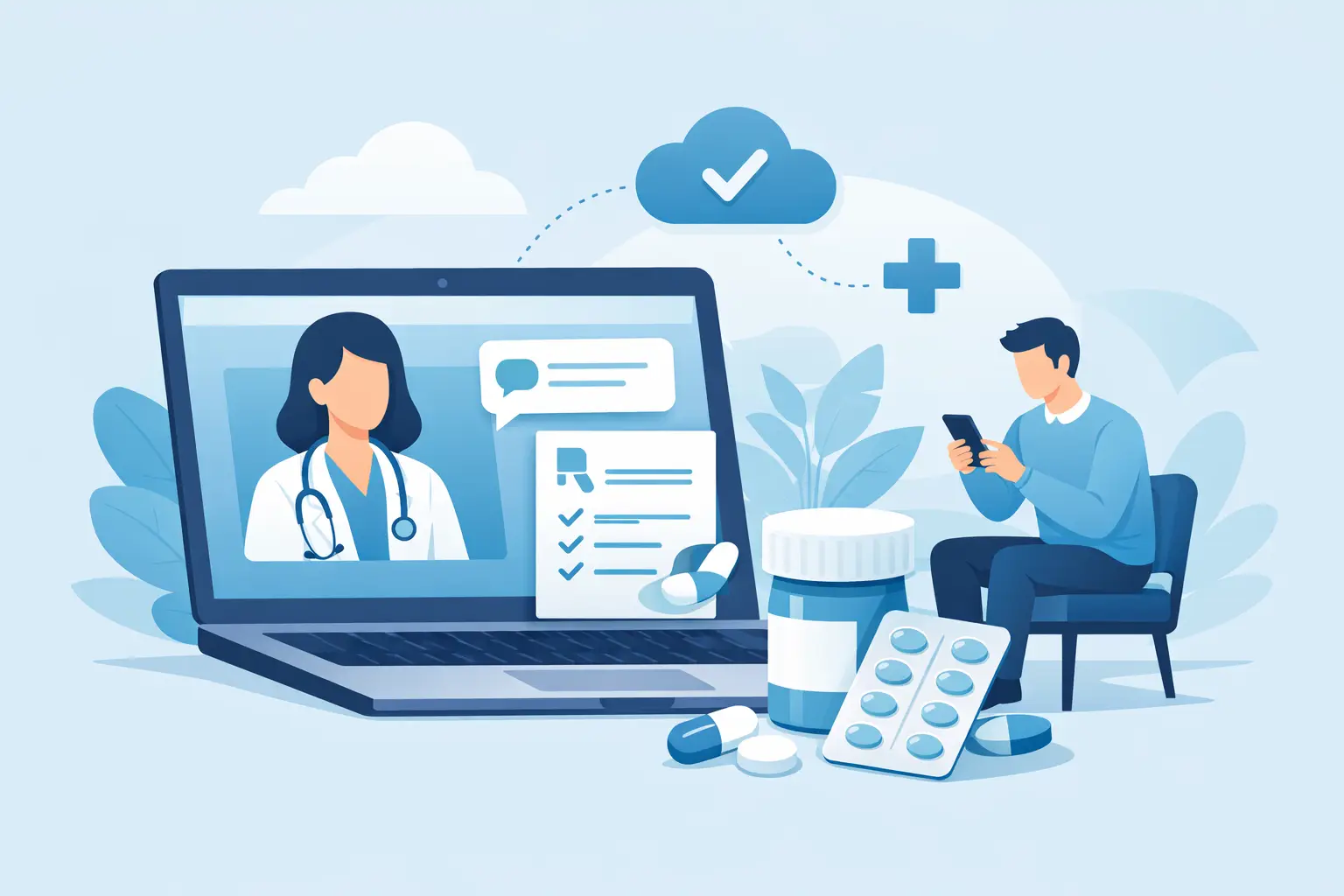
Provider review helps ensure supplementation is safe, evidence-based, and tailored to the individual. A clinician can evaluate dietary intake, medical history, current medications, and lab values to determine whether zinc supplementation is appropriate. This reduces the risk of inappropriate dosing, drug-nutrient interactions, or unrecognized deficiencies like low copper.
At EdenRx, provider review means licensed clinicians in FL and NY assess each case and make recommendations grounded in current guidelines and individualized risk. If supplementation is appropriate and you are eligible for clinical services, your provider can outline dosing, monitor response, and coordinate any necessary laboratory follow-up to ensure safety and efficacy.
Built from Eden Med Spa — real patients, real treatments.
Ready to find out if you qualify? Start Free Assessment — No payment required
Frequently Asked Questions
Q: What are the common forms of zinc supplements and which is best? A: Common forms include zinc gluconate, zinc sulfate, and zinc picolinate. Absorption can vary by form and individual tolerance; a clinician can recommend a form and dose based on needs and gastrointestinal tolerance.
Q: How quickly might I notice benefits from zinc supplementation? A: Benefits depend on baseline zinc status and the outcome measured. In cases of deficiency, some improvements in immune or wound-healing markers may appear within weeks, while hormonal or metabolic effects may take longer. Results vary and are not guaranteed.
Q: Can I take zinc with my medications? A: Zinc can interact with certain antibiotics and chelating agents. Always review current medications with a provider before starting zinc to avoid interactions and ensure safe timing of doses.
Q: Is zinc safe during pregnancy or breastfeeding? A: Zinc is essential during pregnancy, but dosing should be guided by a clinician. Pregnant or breastfeeding people in FL and NY should consult a provider to confirm appropriate intake based on diet and prenatal supplementation.
Q: How is zinc testing performed? A: Zinc status can be assessed with blood or plasma zinc tests, but interpretation requires clinical context because levels can fluctuate. A provider may order additional tests, including copper assessments, to guide safe supplementation.
Q: Can zinc help with weight loss? A: Zinc may support metabolic pathways related to glucose and insulin, but it should not be considered a weight-loss treatment. For evidence-based weight management options, explore /weight-loss-online, and check eligibility at /who-qualifies-for-weight-loss-medication.
Conclusion
Zinc supplementation may offer immune, hormonal, and metabolic support for people with low intake or increased needs, but individual benefits vary and depend on baseline status and overall care. Safety considerations, appropriate dosing, and potential interactions make provider review important before beginning supplementation, especially for residents of Florida and New York.
If you think zinc supplementation may be right for you, start with a free assessment. Start Free Assessment — No payment required. Learn more about our telehealth options and programs at /programs and see provider-reviewed services at /provider-reviewed-weight-loss.