
NAD+ is a naturally occurring coenzyme in every cell that plays a central role in energy metabolism and cellular repair; it may support processes important to muscle recovery in athletes and active adults. Research suggests NAD+ levels decline with age and intense exercise, and supporting NAD+ pathways may potentially help restore cellular function and recovery capacity.
Ready to find out if you qualify? Start Free Assessment — No payment required
What is NAD+ and why it matters for active people
NAD+ (nicotinamide adenine dinucleotide) is a vital coenzyme involved in redox reactions, helping cells convert nutrients into usable energy. It also acts as a substrate for enzymes like sirtuins and PARPs that regulate mitochondrial function, DNA repair, and cellular stress responses — processes that are central to how muscles respond to training and recover after exertion.
For athletes and training enthusiasts, these cellular functions translate into potential effects on fatigue resistance, recovery times, and adaptation to training stimuli. While NAD+ is not a performance magic bullet, supporting NAD+ biology may be one part of a broader recovery strategy that includes sleep, nutrition, hydration, and appropriate training load.
How NAD+ may work to support muscle recovery
NAD+ participates in mitochondrial energy production (via the electron transport chain) and modulates enzymes called sirtuins, which help regulate inflammation, oxidative stress, and metabolic flexibility. By supporting mitochondrial efficiency and stress-response pathways, NAD+ availability may potentially influence how quickly muscle tissue repairs and returns to baseline after exercise.
NAD+ also fuels PARP enzymes involved in DNA repair and enzymes that remove damaged proteins. During intense or prolonged exercise, increased cellular stress can raise demand for repair pathways; augmenting NAD+ precursors or supporting NAD+ recycling may help meet that demand, though outcomes depend on individual physiology and training context.
Forms of NAD+ and common delivery methods
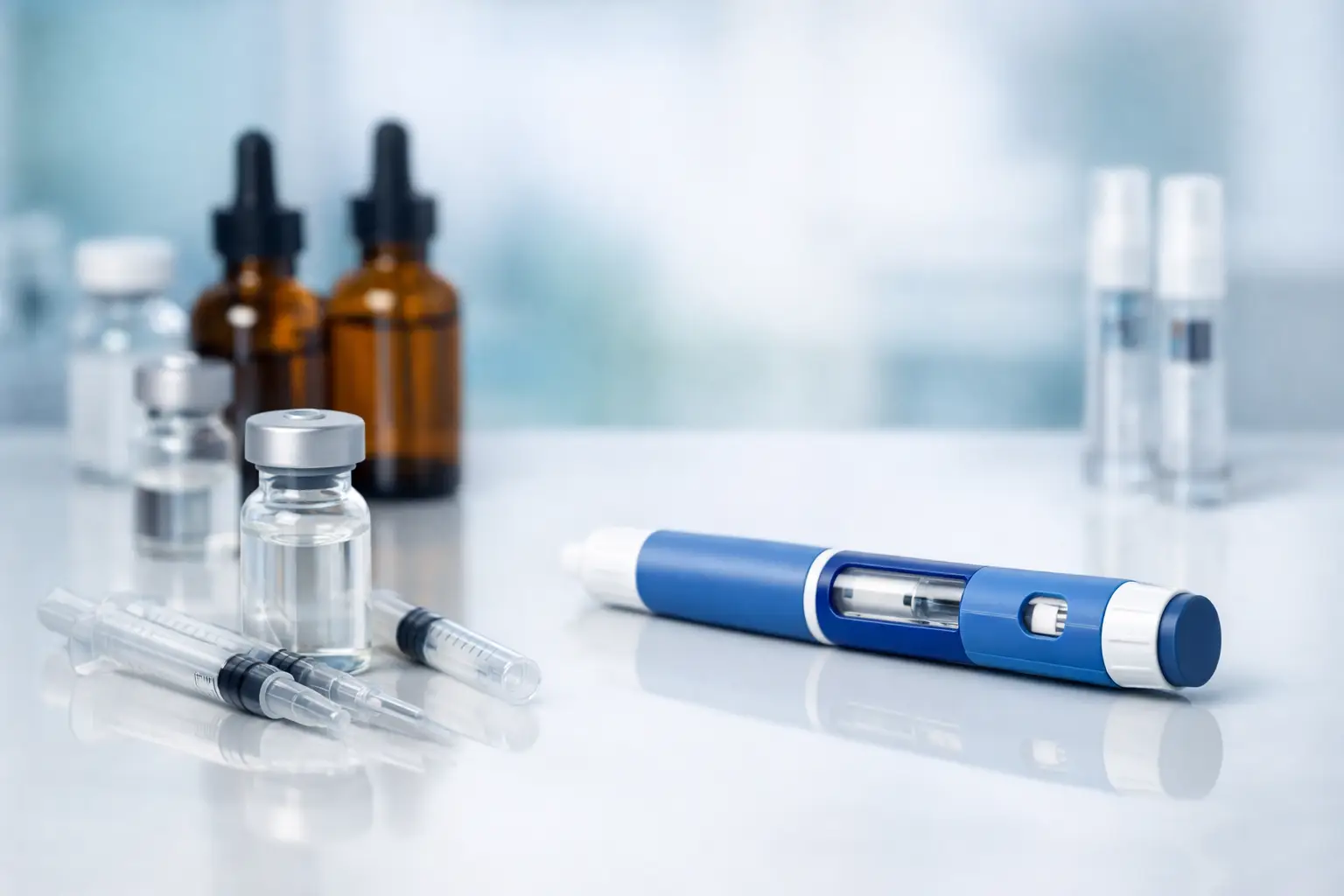
Direct NAD+ — especially intravenous NAD+ — delivers the coenzyme itself, while oral strategies focus on precursors like nicotinamide riboside (NR) and nicotinamide mononucleotide (NMN), which the body can convert into NAD+. Each approach has different bioavailability, logistics, and cost considerations. IV formulations may result in higher immediate plasma levels, whereas oral precursors support more gradual, ongoing increases.
Many active adults consider supplements or clinical NAD+ infusions alongside lifestyle optimization. If you are exploring NAD+ as part of a recovery plan, a provider-reviewed assessment can help determine which form, dosing, and schedule may be appropriate for you. EdenRx offers telehealth guidance that connects patients in Florida and New York with clinical oversight and program options consistent with local regulations (/programs, /pricing).
Safety profile and common considerations
NAD+ and its precursors are generally well tolerated in clinical studies, but side effects can occur and depend on route and dose. Oral precursors such as NR and NMN typically have mild side effects like gastrointestinal discomfort in some users; IV NAD+ infusions may cause transient symptoms such as flushing, lightheadedness, or discomfort at the infusion site.
Because NAD+ interacts with cellular repair and metabolic pathways, it is important to review any medical conditions and medications with a clinician. People with active infections, uncontrolled medical conditions, or certain medication regimens may require special evaluation. EdenRx clinicians provide provider-reviewed recommendations and can help determine if NAD+ strategies are appropriate for you and if you may also be a candidate for other medically supervised programs like our telehealth weight loss services (/weight-loss-online, /glp1-weight-loss-program).
Who may benefit: athletes, active adults, and special populations
Athletes with high training loads, people experiencing prolonged recovery times, or older active adults who notice declining performance may potentially benefit from an NAD+-informed approach. Supporting NAD+ pathways is one tool that may complement recovery protocols such as periodized training, targeted nutrition, and sleep optimization.
Not every athlete needs NAD+ intervention; benefits depend on baseline NAD+ status, training intensity, recovery practices, and health history. A clinical assessment helps identify those who may be likely to respond, and can clarify eligibility and safe options (/who-qualifies-for-weight-loss-medication, /assessment). If eligible, a customized plan may include oral precursors, IV therapy, or combination strategies alongside other recovery modalities.
Practical implementation and program considerations
If you decide to pursue NAD+ support, work with a licensed provider who can advise on dosing, route, and monitoring. Programs should include baseline health screening, discussion of goals, and follow-up for safety and effectiveness. Telehealth assessments make it easier to determine eligibility and may reduce unnecessary treatments by aligning care with evidence and individual needs (/assessment, /pricing).
Integration with broader wellness plans is important. For those already exploring weight management or metabolic therapies, NAD+ strategies may be considered as part of an overall program that includes medical oversight and lifestyle support. EdenRx offers provider-reviewed telehealth programs and can help you understand how NAD+ might fit into your plan (/programs).
Why Provider Review Matters
Provider review ensures that NAD+ interventions are offered with clinical context, appropriate screening, and monitoring. Licensed clinicians can evaluate contraindications, review medications, and recommend safe dosing and administration routes based on medical history and goals. This oversight reduces risk and helps prioritize interventions that are more likely to be beneficial for the individual.
At EdenRx, provider-reviewed care is part of our telehealth model for Florida and New York patients. Clinical oversight also helps align NAD+ or other supportive therapies with evidence-based approaches to recovery and wellness, and ensures that patients are informed about realistic expectations and potential side effects.
Built from Eden Med Spa — real patients, real treatments.
Ready to find out if you qualify? Start Free Assessment — No payment required
Frequently Asked Questions
Q: What is the difference between NAD+ and NAD+ precursors such as NR or NMN? A: NAD+ is the active coenzyme. Precursors like NR and NMN are oral compounds the body can convert into NAD+. Precursors tend to be more convenient for long-term use, while IV NAD+ delivers the coenzyme directly and may produce higher acute plasma levels.
Q: Are there proven benefits of NAD+ for muscle recovery? A: Research shows NAD+ supports cellular energy, mitochondrial function, and repair pathways that are relevant to recovery. However, outcomes vary by individual, and NAD+ should be considered a potential supportive tool rather than a guaranteed solution.
Q: Is NAD+ therapy safe? A: Many people tolerate NAD+ and its precursors well, but side effects can occur. Safety depends on dose, route of administration, and individual health status. A provider review is recommended to assess risks and interactions.
Q: How do I know if I am a candidate for NAD+ support? A: Candidates are generally adults with increased recovery needs, high training loads, or age-related declines in metabolic resilience. A clinical assessment helps determine eligibility and appropriate options (/assessment, /who-qualifies-for-weight-loss-medication).
Q: Can I combine NAD+ with other medical programs at EdenRx? A: NAD+ may be integrated into broader wellness or weight-management programs under clinical supervision. Discuss goals and medical history with a provider to determine if combined approaches are appropriate (/weight-loss-online, /glp1-weight-loss-program).
Q: How much does NAD+ therapy cost and how often is it administered? A: Costs vary by route and regimen; pricing and program options are available via our telehealth service and listed on the site (/pricing, /programs). A clinician can recommend frequency based on goals, tolerance, and response.
Conclusion
NAD+ is a central cellular coenzyme involved in energy production and repair pathways that underlie muscle recovery. For athletes and active adults, supporting NAD+ biology may potentially aid recovery when integrated with sound training, nutrition, and sleep, and when delivered with medical oversight.
If you live in Florida or New York and want to explore whether NAD+ support is appropriate for you, start with a provider-reviewed telehealth assessment. Results vary by individual, and care should be tailored to health history and goals.
Ready to find out if you qualify? Start Free Assessment — No payment required