
NAD+ therapy for skin health may support cellular energy, DNA repair, and antioxidant defenses, potentially improving skin resilience and appearance. Provider-reviewed NAD+ options can help determine an individualized, safe approach if eligible in Florida or New York.
Ready to find out if you qualify? Start Free Assessment — No payment required
What is NAD+ and its role in skin health?
NAD+ (nicotinamide adenine dinucleotide) is a molecule found in every cell that plays a central role in cellular metabolism and mitochondrial function. In the skin, NAD+ is involved in energy production, activation of sirtuin enzymes that regulate cellular repair and inflammation, and pathways for DNA damage recognition and repair.
When NAD+ levels decline with age or due to environmental stressors like UV exposure and pollution, skin cells may show reduced repair capacity, increased oxidative stress, and slower turnover. NAD+ therapy for skin health aims to restore or support these pathways using precursors or direct administration to potentially enhance cellular resilience and appearance.
Types of NAD+ therapies providers review
Providers commonly evaluate several NAD+-centered approaches: oral NAD+ precursors (nicotinamide riboside [NR] and nicotinamide mononucleotide [NMN]), intravenous (IV) NAD+ infusions, intramuscular injections, and topical formulations that include NAD+ precursors or supportive antioxidants.
- Oral precursors: NR and NMN are taken as supplements and may raise systemic NAD+ levels over time. They are convenient and widely used, though absorption and effects depend on dose and individual metabolism.
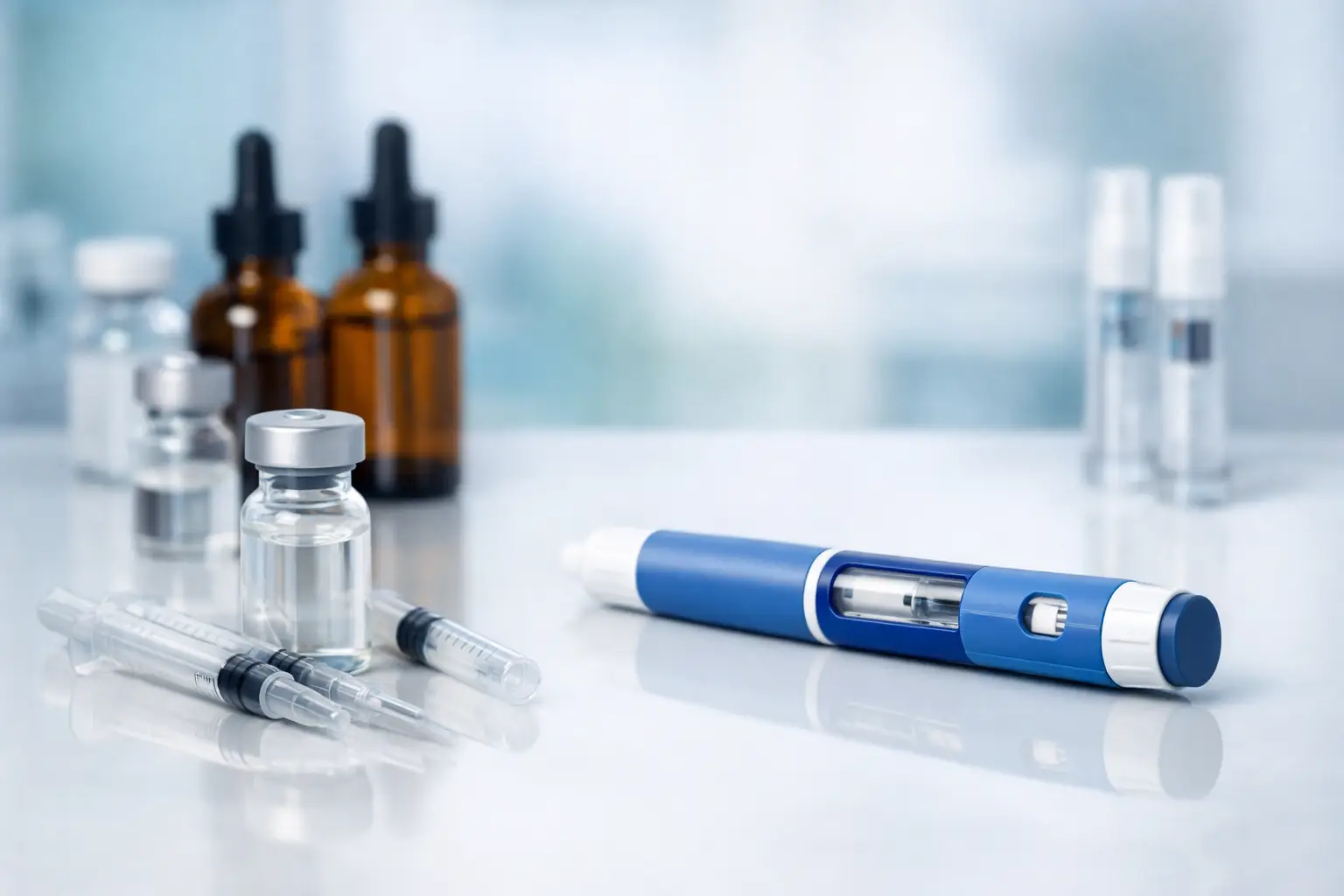
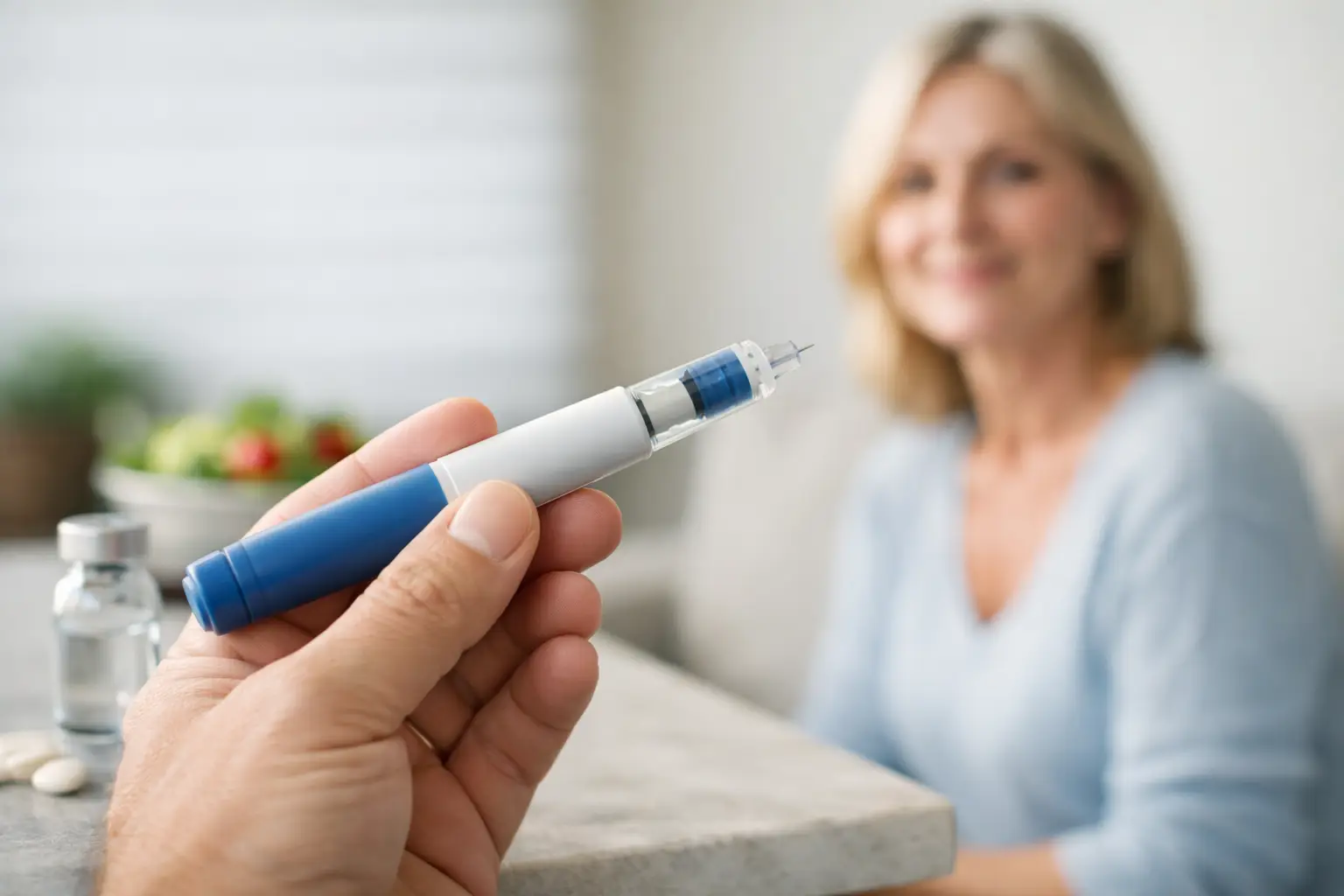
- IV or injection therapies: These deliver NAD+ or related metabolites directly into the bloodstream for more immediate systemic availability. Providers often recommend medical evaluation before IV NAD+ to assess risks and suitability.
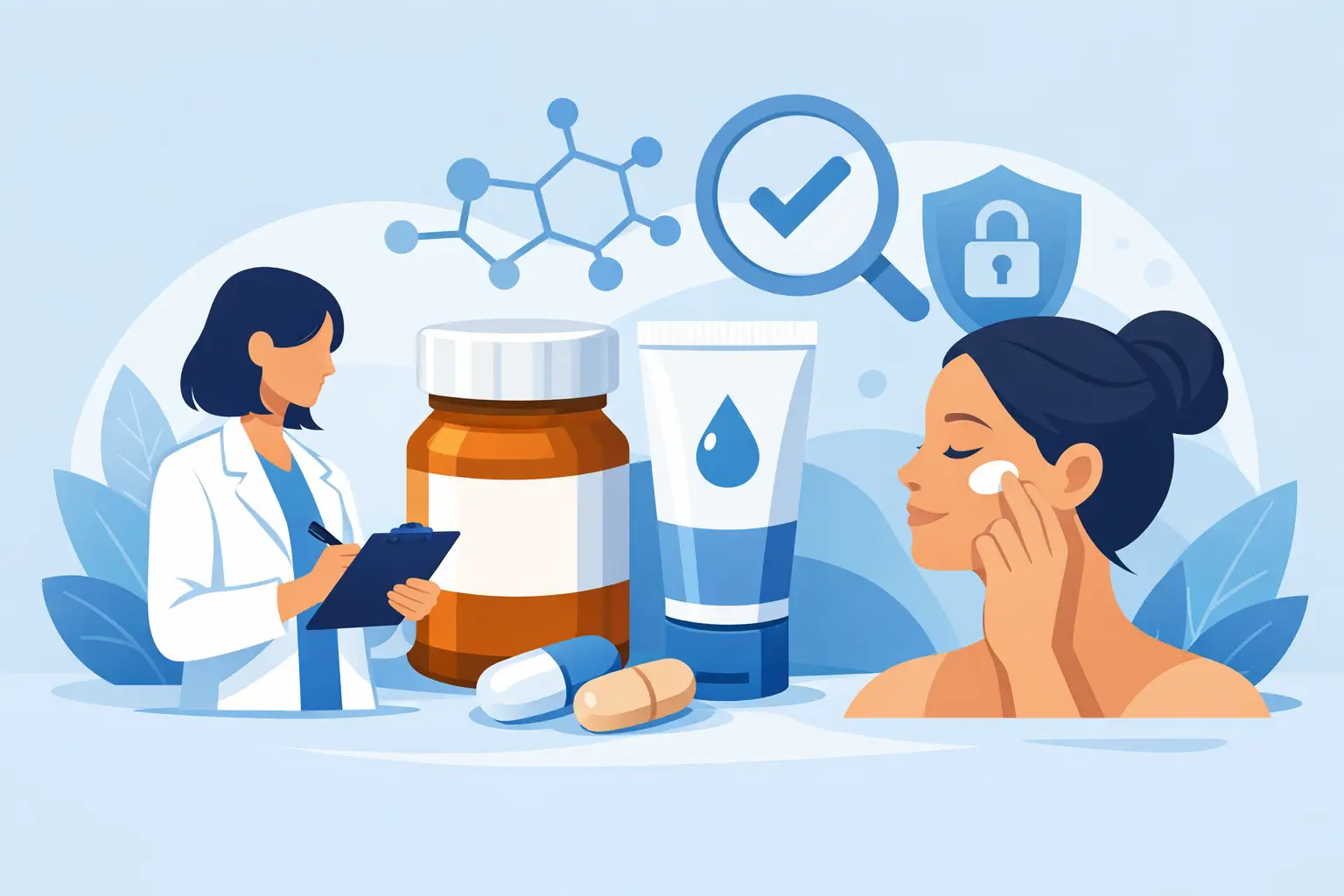
- Topicals: Some skincare products include NAD+ precursors alongside peptides and antioxidants to target epidermal repair. Topical delivery focuses on localized skin benefits but has different absorption characteristics than systemic approaches.
Mechanism: how NAD+ may influence skin biology
NAD+ participates in redox reactions essential for ATP production in mitochondria, supporting the energy demands of skin cells. It also activates sirtuins, a family of enzymes that regulate gene expression related to stress resistance, inflammation, and longevity pathways important to skin maintenance.
Additionally, NAD+ is a substrate for PARP enzymes involved in DNA repair. By supporting these systems, NAD+ therapy for skin health may potentially improve cellular repair after UV or oxidative damage and support collagen and barrier function indirectly, though individual responses vary and outcomes are not guaranteed.
Safety profile and common considerations
Overall safety depends on the formulation and delivery route. Oral NR and NMN are generally well tolerated in clinical studies, with mild side effects such as nausea or digestive upset reported in some people. IV NAD+ can cause transient side effects like flushing, lightheadedness, or injection-site reactions and requires medical supervision.
Providers also consider interactions with medications, pregnancy, uncontrolled medical conditions, or a history of certain cancers before recommending NAD+ therapies. Because regulatory oversight varies, choosing provider-reviewed treatments in licensed clinics in Florida and New York helps ensure quality, appropriate dosing, and monitoring for adverse events.
Who may potentially benefit from NAD+ therapy for skin health?
People experiencing age-related thinning, slower wound recovery, or skin exposed to chronic sun or environmental stressors may be candidates for a conversation about NAD+ therapies. Those looking to support skin health as part of a broader wellness plan — including metabolic or lifestyle interventions — may find it helpful if eligible.
Candidates should complete a medical assessment to evaluate underlying conditions, medications, and expectations. If you are pursuing aesthetic or wellness goals alongside weight management, consider combining guidance with our programs such as /weight-loss-online or our /glp1-weight-loss-program where clinically appropriate and if eligible.
Provider-reviewed options: what to expect during an evaluation
A provider-reviewed plan typically starts with a medical history, medication review, lab testing if indicated, and a skin assessment to identify priorities and contraindications. This personalized approach helps select oral, topical, or infusion-based NAD+ options and decide on monitoring steps.
Providers may recommend integrating NAD+ approaches with topical regimens, antioxidant support, and lifestyle measures (sleep, nutrition, sun protection). For those exploring weight-related treatments concurrently, ask about eligibility for medications via /who-qualifies-for-weight-loss-medication and available services listed under /programs and /pricing.
Why Provider Review Matters
Provider review ensures that NAD+ therapy for skin health is chosen and dosed based on clinical history, potential drug interactions, and realistic expectations. Licensed clinicians can differentiate between evidence-based options and unverified products, order labs when needed, and supervise IV or injection procedures to reduce risks.
Because NAD+ interventions may be combined with other therapies (topicals, peptides, antioxidants), a provider-reviewed plan coordinates treatments for safety and may adjust approaches for patients in Florida and New York according to regional clinical standards and regulations.
Built from Eden Med Spa — real patients, real treatments.
Ready to find out if you qualify? Start Free Assessment — No payment required
Frequently Asked Questions
Q: Is NAD+ therapy a cure for skin aging? A: No. NAD+ therapy for skin health may support cellular repair and resilience but is not a guaranteed cure. Results vary and depend on individual factors and adherence to a comprehensive skin-care plan.
Q: Are NAD+ supplements safe? A: Oral precursors like NR and NMN have been generally well tolerated in studies, with occasional mild side effects. Always consult a clinician before starting supplements, especially if you take other medications or have health conditions.
Q: How quickly might I see changes in my skin? A: Timing varies by approach and individual. Oral supplements may take weeks to months to show systemic effects, while topical changes may appear sooner depending on formulation. Providers can set realistic timelines during your assessment.
Q: Can I get NAD+ therapy if I’m pregnant or breastfeeding? A: Pregnant or breastfeeding individuals should avoid many elective therapies and supplements unless specifically advised by a clinician. Discuss risks and alternatives during a provider review.
Q: What are the risks of IV NAD+ therapy? A: Risks include infusion-related reactions, local irritation, and rare systemic effects. IV interventions should be performed in a clinical setting with medical oversight to manage adverse events.
Q: How do I find a provider-reviewed NAD+ program in Florida or New York? A: Begin with a credentialed clinic offering a medical assessment. At EdenRx, we provide telehealth screening and direct you to in-state services as appropriate. Start with a free assessment at /assessment to learn more about eligibility and next steps.
Conclusion
NAD+ therapy for skin health offers several provider-reviewed options — oral precursors, topical formulations, and supervised IV or injection routes — that may support cellular energy, DNA repair, and antioxidant systems. Because responses vary and treatments should be tailored, a licensed provider evaluation in Florida or New York helps determine if NAD+ is an appropriate and safe part of your skin-health plan.
Ready to take the next step? Start Free Assessment — No payment required. Learn more about our offerings and pricing at /pricing, or explore related wellness and weight-loss programs at /programs and /weight-loss-online to build a comprehensive plan if eligible.