

Peptide therapy for women over 40 is an emerging area of medically supervised care that may support weight management, metabolic health, and overall wellness during a time when the body is undergoing significant hormonal transitions. While no treatment guarantees results, provider-reviewed peptide protocols — when used as part of a comprehensive plan — may offer meaningful support for eligible patients.
Ready to find out if you qualify? Start Free Assessment — No payment required
What Are Peptides and How Do Compounded Formulas Work?
Peptides are short chains of amino acids — the same building blocks that make up proteins — that act as signaling molecules throughout the body. They communicate with receptors in tissues, glands, and organs to regulate a wide range of biological processes, including metabolism, appetite, hormone secretion, and cellular repair. Because they mimic or amplify the body's own chemical messengers, peptides are considered a targeted approach compared to more generalized therapies.
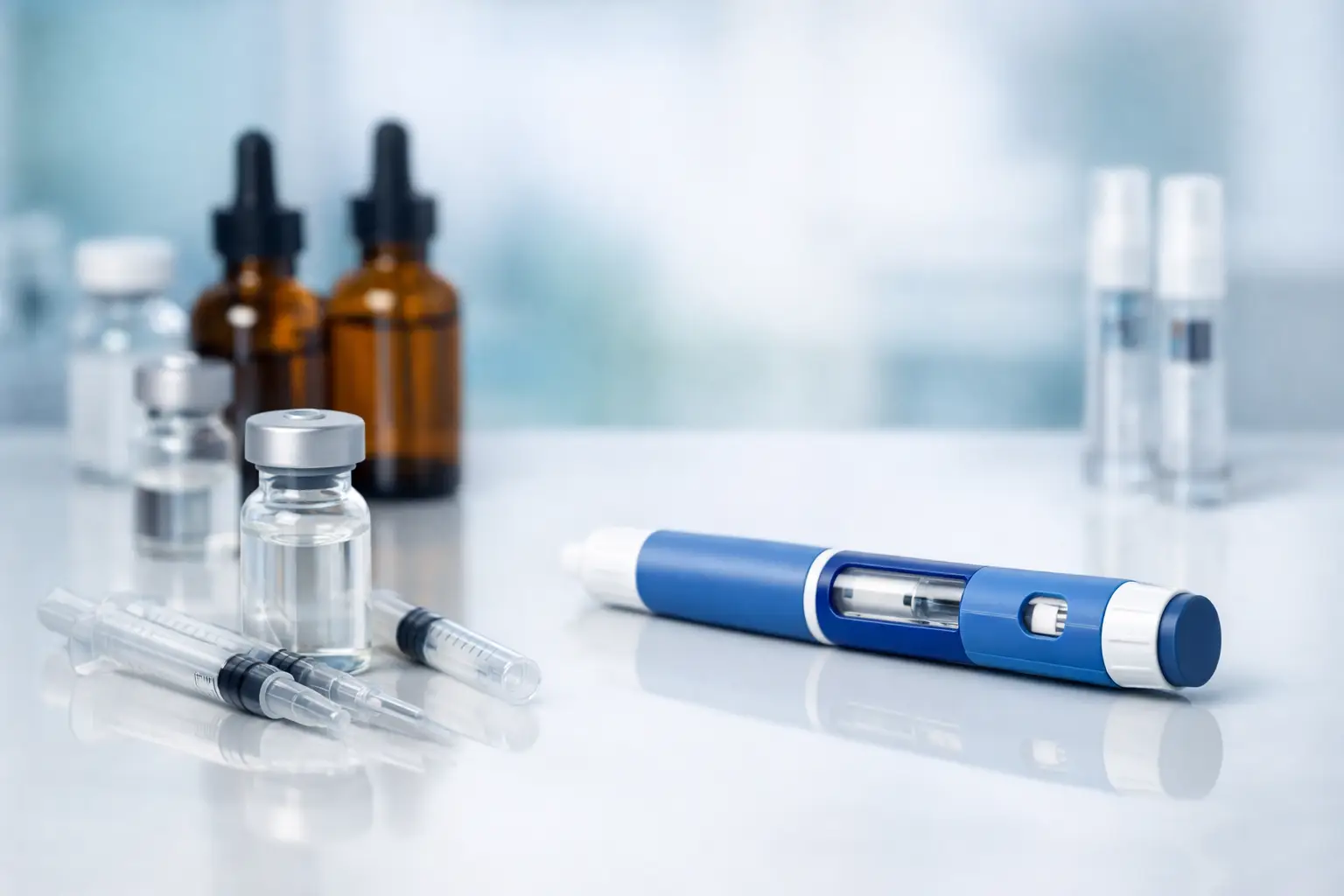
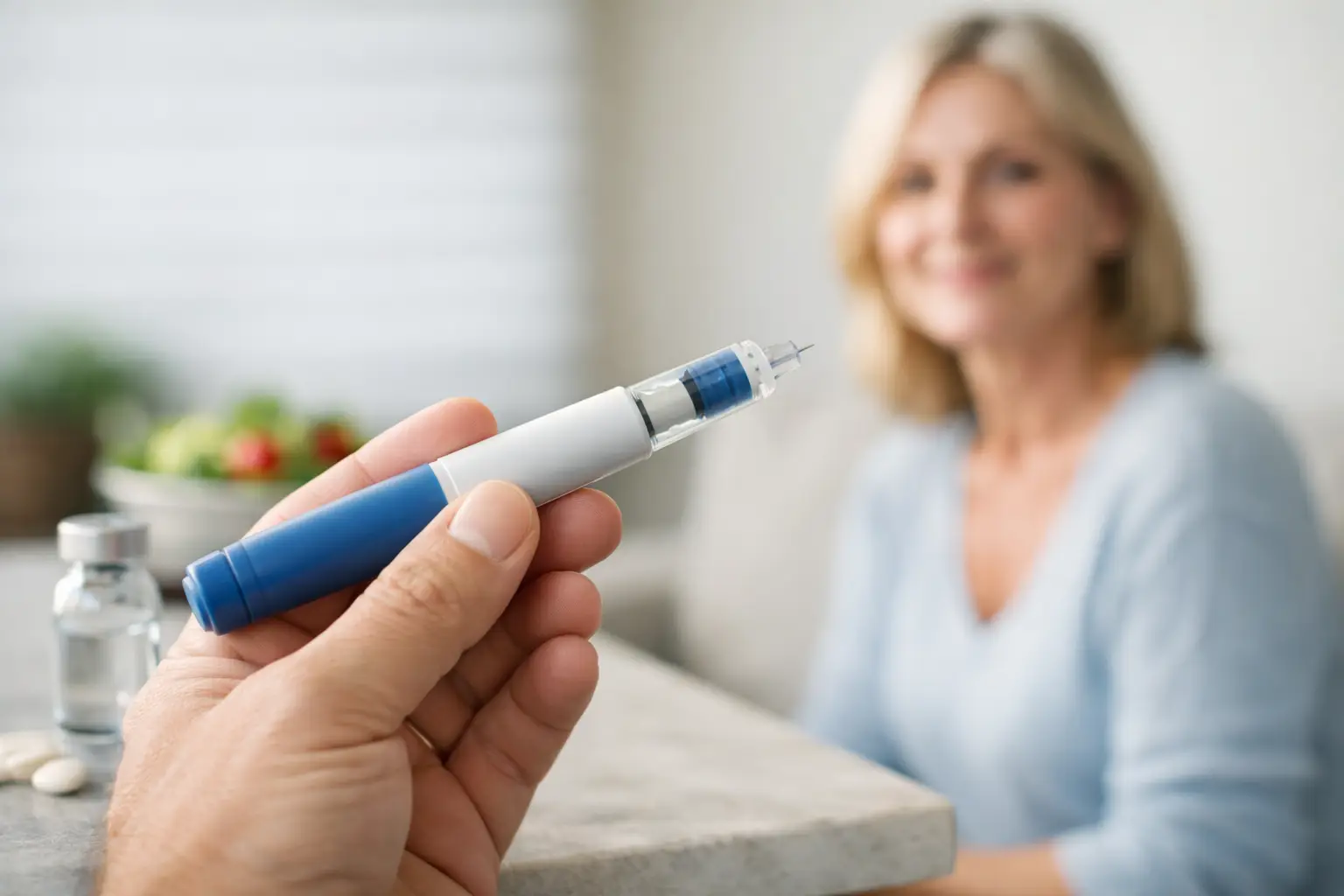
Compounded peptide formulations are prepared by licensed compounding pharmacies and tailored to an individual patient's needs based on a provider's prescription. Unlike mass-manufactured drugs, compounded peptides may be customized in dosage and delivery method — often administered via subcutaneous injection or oral formulations. Compounding is regulated under state pharmacy boards and FDA oversight frameworks, and all EdenRx formulations are sourced through provider-reviewed channels to help ensure quality and consistency for patients in Florida and New York.
Why Women Over 40 May Respond Differently to Weight Loss Efforts
The decade after 40 often brings a noticeable shift in how the female body manages weight and energy. Declining estrogen and progesterone levels — especially as perimenopause and menopause approach — can reduce insulin sensitivity, alter fat distribution (particularly increasing visceral fat around the abdomen), and slow the resting metabolic rate. Sleep disturbances and increased cortisol reactivity during this period can further compound the challenge, making traditional diet-and-exercise approaches feel less effective than they once were.
These physiological changes don't reflect a lack of effort — they reflect a biological reality that standard weight loss programs often fail to account for. For women in this demographic, a medically supervised weight loss program that considers hormonal context may offer a more strategic starting point. Peptide therapy, if eligible, may work alongside lifestyle interventions to address some of the underlying metabolic drivers that make weight loss harder after 40. Results vary, and individual response depends on many factors including health history, adherence, and concurrent treatments.
Key Peptides Used in Women's Weight Loss and Wellness Protocols
Several classes of peptides are commonly discussed in the context of women's metabolic health. GLP-1 receptor agonists — such as semaglutide and tirzepatide — are among the most clinically studied and work by mimicking the glucagon-like peptide-1 hormone, which is naturally released after eating. They may help regulate blood sugar, slow gastric emptying, reduce appetite, and potentially support significant weight reduction in eligible patients. EdenRx's GLP-1 weight loss program is built around these compounds, with provider oversight at every step.
Beyond GLP-1 agents, other peptides such as CJC-1295 and Ipamorelin — growth hormone-releasing peptides — are sometimes used in wellness contexts to potentially support lean muscle preservation, recovery, and sleep quality. BPC-157, a body-protection compound, is explored in some protocols for its potential role in tissue repair and inflammation modulation. It's important to note that these peptides vary widely in their evidence base, regulatory status, and appropriate use cases. Any peptide protocol should only be initiated under the supervision of a licensed medical provider who has reviewed your full health profile.
Safety Profile: What Women Should Understand Before Starting
Peptide therapy is generally considered well-tolerated when prescribed and monitored appropriately, but it is not without considerations. GLP-1 receptor agonists, for example, may cause nausea, vomiting, constipation, or injection-site reactions — particularly during dose escalation phases. Most side effects are reported as mild to moderate and tend to decrease as the body adjusts. More serious concerns, while less common, include potential impacts on thyroid function and gastrointestinal motility, which is why a thorough intake process is essential.
Women with a personal or family history of medullary thyroid carcinoma, pancreatitis, or certain gastrointestinal conditions may not be appropriate candidates for specific peptide therapies. Hormonal interactions are also an important consideration — particularly for women currently on hormone replacement therapy (HRT) or oral contraceptives. A provider-reviewed assessment helps surface these contraindications before any protocol is initiated. To learn more about eligibility criteria, visit our who qualifies for weight loss medication page. At EdenRx, patient safety is the filter through which every treatment decision is made.
Who May Benefit from Peptide Therapy After 40?
Women over 40 who may be strong candidates for peptide therapy typically share a few common characteristics: a BMI in the overweight or obese range, a history of difficulty losing weight despite lifestyle modifications, and no disqualifying medical conditions or drug interactions. Those dealing with insulin resistance, prediabetes, or metabolic syndrome may find that GLP-1-based peptides are particularly relevant to their health goals — potentially improving both weight outcomes and cardiometabolic markers, if eligible.
Peptide therapy is not a standalone solution, and it's not appropriate for everyone. Ideal candidates are those willing to engage with a comprehensive plan that includes nutritional guidance, activity recommendations, and regular provider check-ins. EdenRx offers flexible programs designed to fit real life — not just a clinical ideal. Whether you're exploring options for the first time or coming from a previous program that didn't deliver, reviewing pricing and program details can help you determine whether this is the right next step for your journey.
Why Provider Review Matters
In the rapidly growing world of telehealth and peptide therapy, the quality of medical oversight varies enormously. Some platforms offer minimal provider interaction — a brief questionnaire followed by an automatic prescription. This approach carries real risk, particularly for women over 40 who may have layered health concerns, active medications, or hormonal therapies that can interact with peptide protocols. Provider review isn't a formality — it's the mechanism that makes a treatment plan safe and appropriately individualized.
At EdenRx, every patient undergoes a structured assessment reviewed by a licensed medical provider before any medication is prescribed or dispensed. This process evaluates your health history, current medications, weight loss goals, and relevant lab data where applicable. Ongoing monitoring is built into the program, not bolted on as an afterthought. This level of oversight is what separates a medically sound telehealth experience from a transactional one — and it's the standard we hold ourselves to for every patient in Florida and New York.
Built from Eden Med Spa — real patients, real treatments.
Wondering if peptide therapy is right for you? Start your free assessment today — takes less than 5 minutes, no payment required.
Frequently Asked Questions
Is peptide therapy FDA-approved for weight loss in women? Some peptides, such as semaglutide and tirzepatide (GLP-1 receptor agonists), have received FDA approval for chronic weight management in adults who meet specific criteria. Other peptides used in wellness protocols may be compounded and are not individually FDA-approved as finished drug products. Your provider will only recommend peptides appropriate for your health profile and goals.
How long does it take to see results from peptide therapy? Timelines vary depending on the specific peptide, dosage, individual metabolism, and lifestyle factors. Some patients may notice appetite changes within the first few weeks of a GLP-1 protocol, while meaningful weight changes may take two to three months or longer. Results vary, and no specific outcome is guaranteed.
Can I use peptide therapy if I'm on hormone replacement therapy (HRT)? Possibly, but this requires careful provider review. Some peptides may interact with hormonal therapies, and your full medication list must be disclosed during your assessment. A qualified medical provider will evaluate whether a combined approach is appropriate and safe for your specific situation.
Is peptide therapy available through EdenRx in all states? Currently, EdenRx serves patients in Florida and New York only. If you reside in one of these states and meet eligibility criteria following a provider review, you may be able to access a peptide-based weight loss program through our telehealth platform.
What does the EdenRx assessment involve? The free online assessment collects information about your health history, current medications, weight loss history, and goals. It typically takes under five minutes to complete. A licensed medical provider then reviews your responses and determines whether you may be eligible for a peptide therapy program. There is no payment required to begin.
Are compounded peptides safe? Compounded peptides prepared by licensed, reputable pharmacies under appropriate medical supervision may be safe for eligible patients. Quality, purity, and dosing accuracy are critical variables — which is why EdenRx works exclusively with provider-reviewed compounding sources. As with any medical treatment, safety depends heavily on proper screening, dosing, and monitoring.
The Bottom Line
Peptide therapy for women over 40 represents a promising — and increasingly accessible — frontier in medically supervised weight management. Hormonal shifts, metabolic slowdowns, and the limitations of conventional approaches make this demographic uniquely suited to benefit from targeted, provider-guided interventions. Whether you're curious about GLP-1 receptor agonists or exploring broader wellness peptide protocols, the first and most important step is a thorough, honest assessment with a qualified provider.
EdenRx is designed exactly for this moment — a telehealth platform built on clinical integrity, accessible from Florida and New York, with real provider oversight and transparent pricing. If you've been searching for a smarter path forward after 40, we invite you to take the first step today.
Start Your Free Assessment — Find out if you qualify in minutes. No payment required. Available to patients in Florida and New York. Results vary.