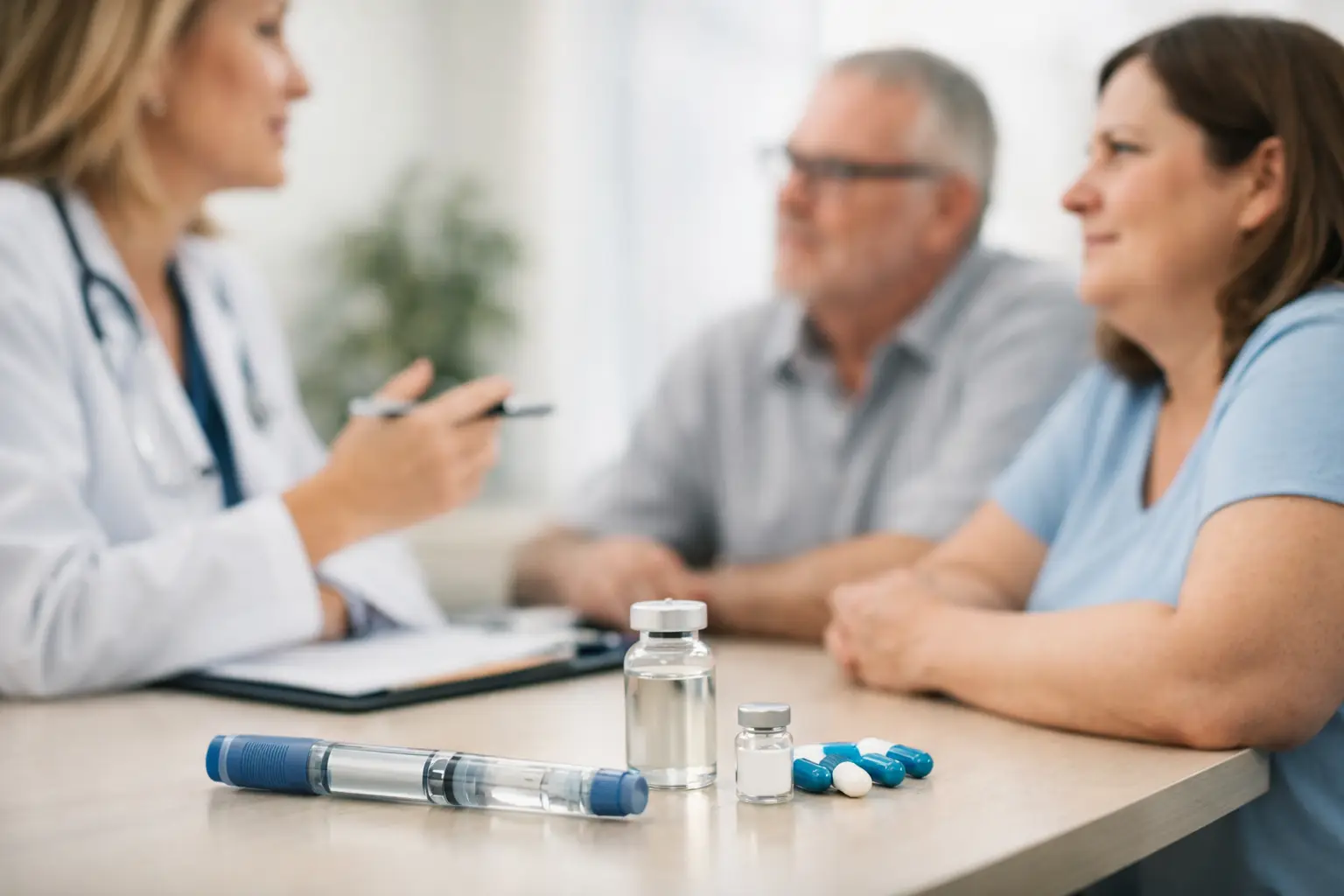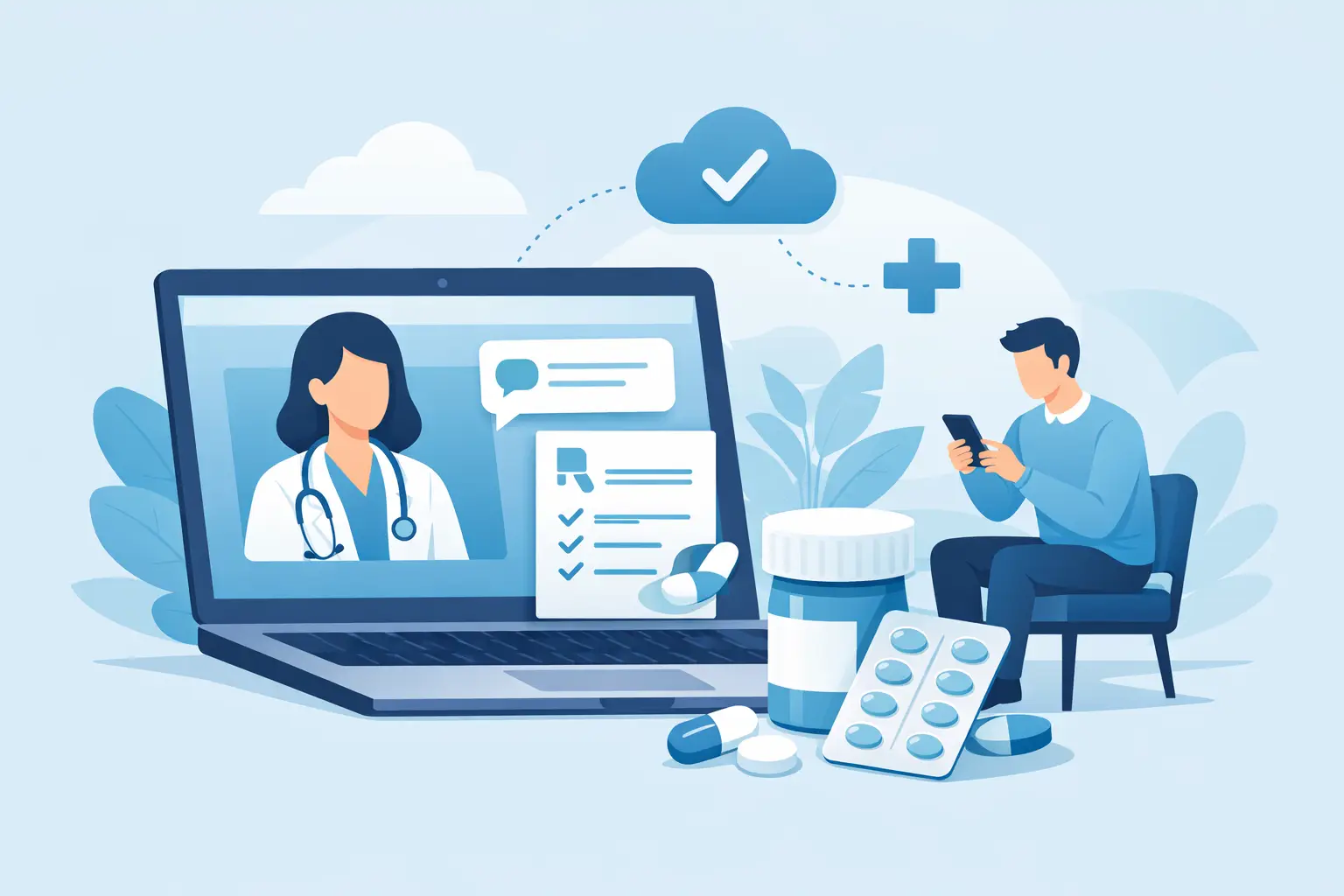


When comparing NAD+ IV vs subcutaneous delivery, neither method is universally "better" — the right choice depends on your health history, lifestyle, and what you and a licensed provider agree is appropriate for your goals. IV delivery offers rapid systemic exposure, while subcutaneous injection provides a slower, more sustained release that many patients find easier to manage at home.
Ready to find out if you qualify? Start Free Assessment — No payment required
What Is NAD+ and Why Does Delivery Method Matter?
Nicotinamide adenine dinucleotide (NAD+) is a coenzyme found in every living cell. It plays a central role in cellular energy metabolism, DNA repair signaling, and the activation of sirtuins — proteins associated with cellular resilience and longevity research. As we age, NAD+ levels naturally decline, which has prompted growing interest in supplementation strategies that may help restore intracellular concentrations.
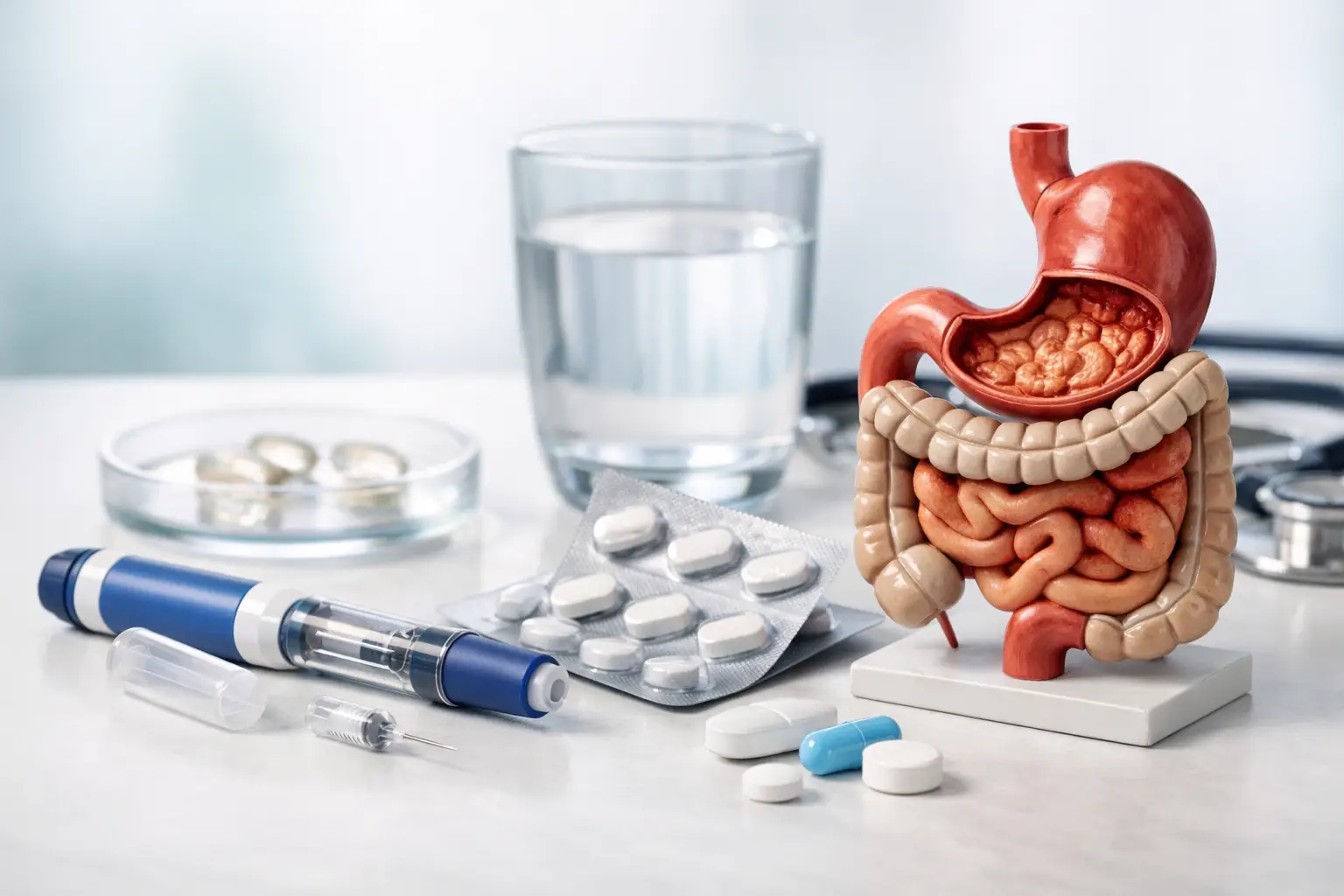
The way NAD+ enters your body matters because oral bioavailability is limited. NAD+ molecules are large and polar, making gastrointestinal absorption inefficient. Both IV and subcutaneous routes bypass the digestive system entirely, delivering the compound directly into the bloodstream or surrounding tissue, where it can be taken up by cells more reliably. Choosing between them involves weighing speed, convenience, tolerability, and clinical context.
How NAD+ IV Therapy Works
Intravenous NAD+ delivers the coenzyme directly into the bloodstream through a slow drip, typically administered in a clinical setting over one to four hours. Because the compound enters circulation immediately, plasma NAD+ levels rise quickly — a characteristic that some clinicians prefer when pursuing acute repletion protocols or supporting patients with specific metabolic needs under close supervision.
However, IV infusions are not without drawbacks. Many patients report flushing, nausea, chest tightness, or a sense of pressure during faster infusions, which is why slow drip rates are standard practice. Sessions require in-office time, trained staff, and IV access, making them less accessible for individuals who prefer a more flexible, home-based care model. That said, for patients who benefit from monitored administration, the IV route remains a well-established option within integrative and functional medicine settings.
How Subcutaneous NAD+ Injection Works
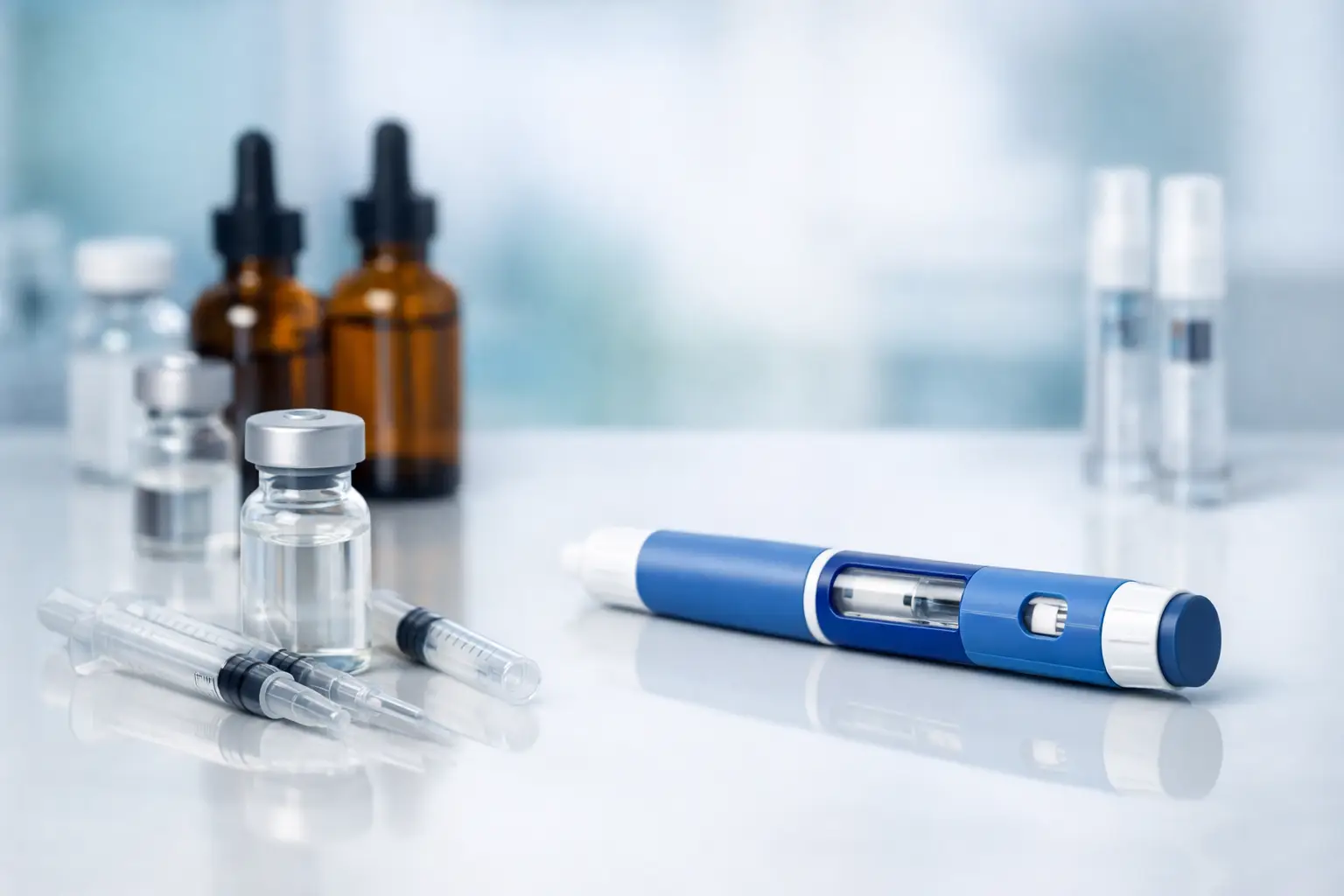
Subcutaneous (SQ) NAD+ involves injecting a small volume of solution into the fatty tissue just beneath the skin — commonly the abdomen, outer thigh, or back of the arm. From there, the compound is gradually absorbed into capillaries and enters systemic circulation over a longer time window than IV delivery. This slower absorption curve may reduce the intensity of side effects like flushing that are more common with rapid IV infusions.
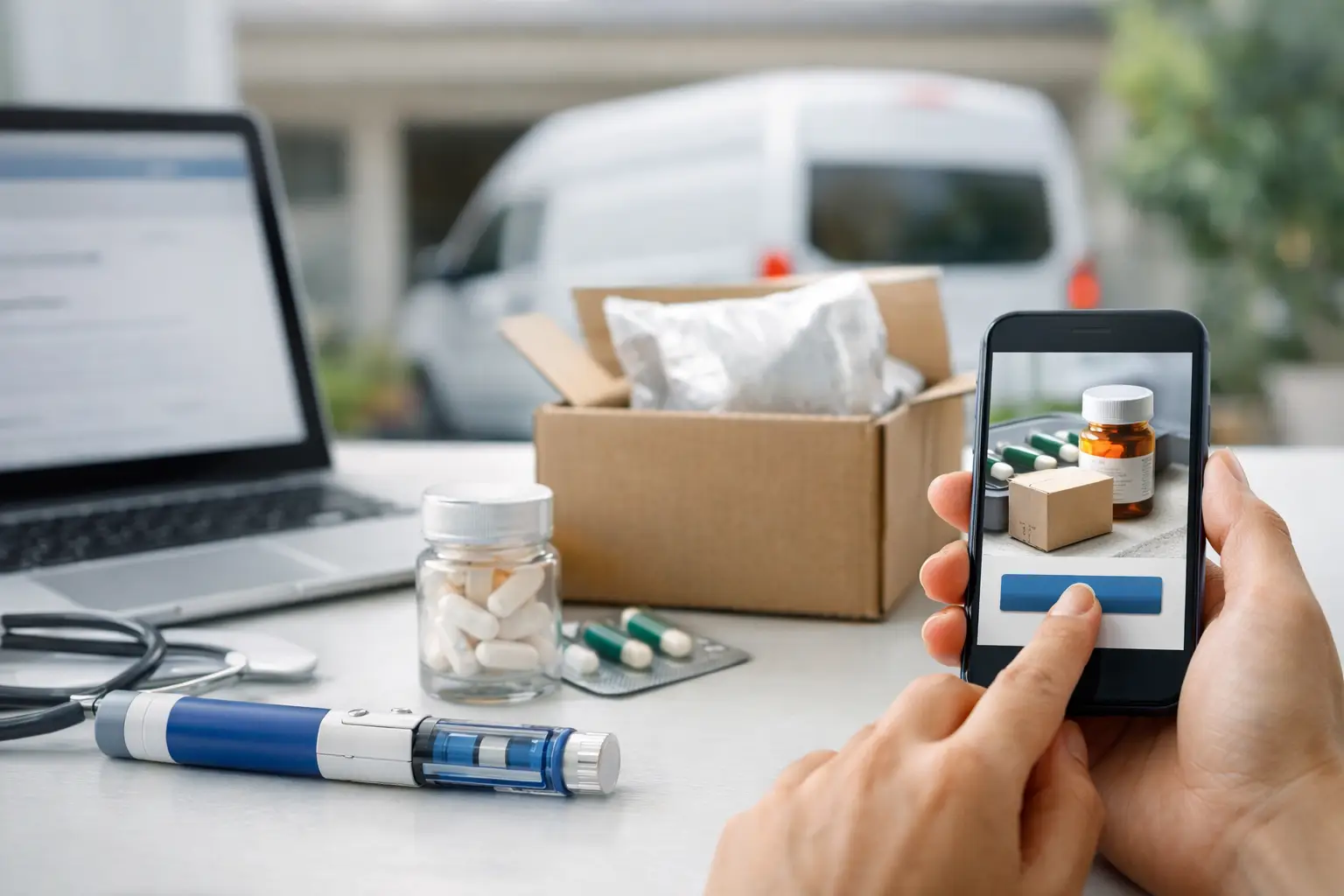
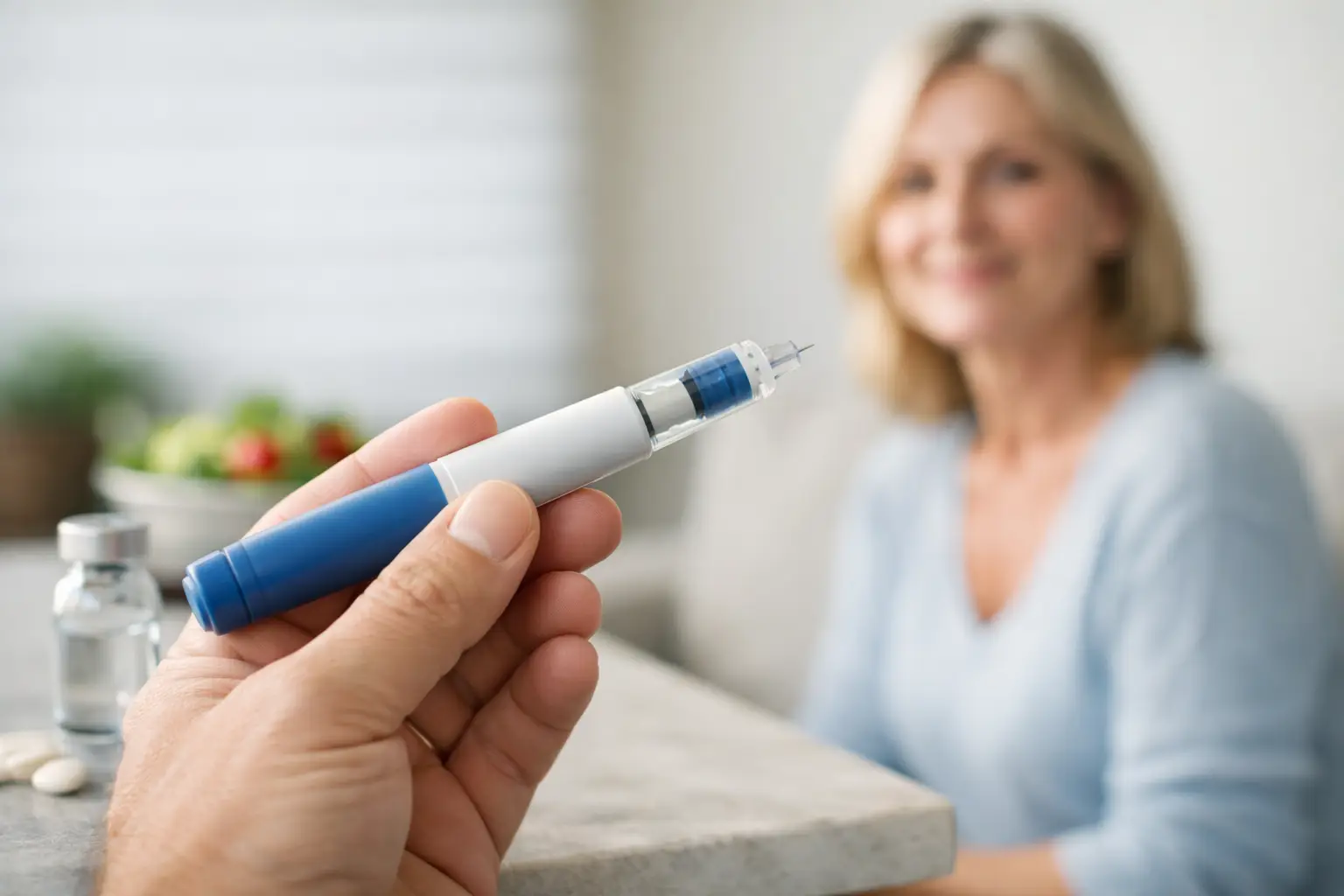
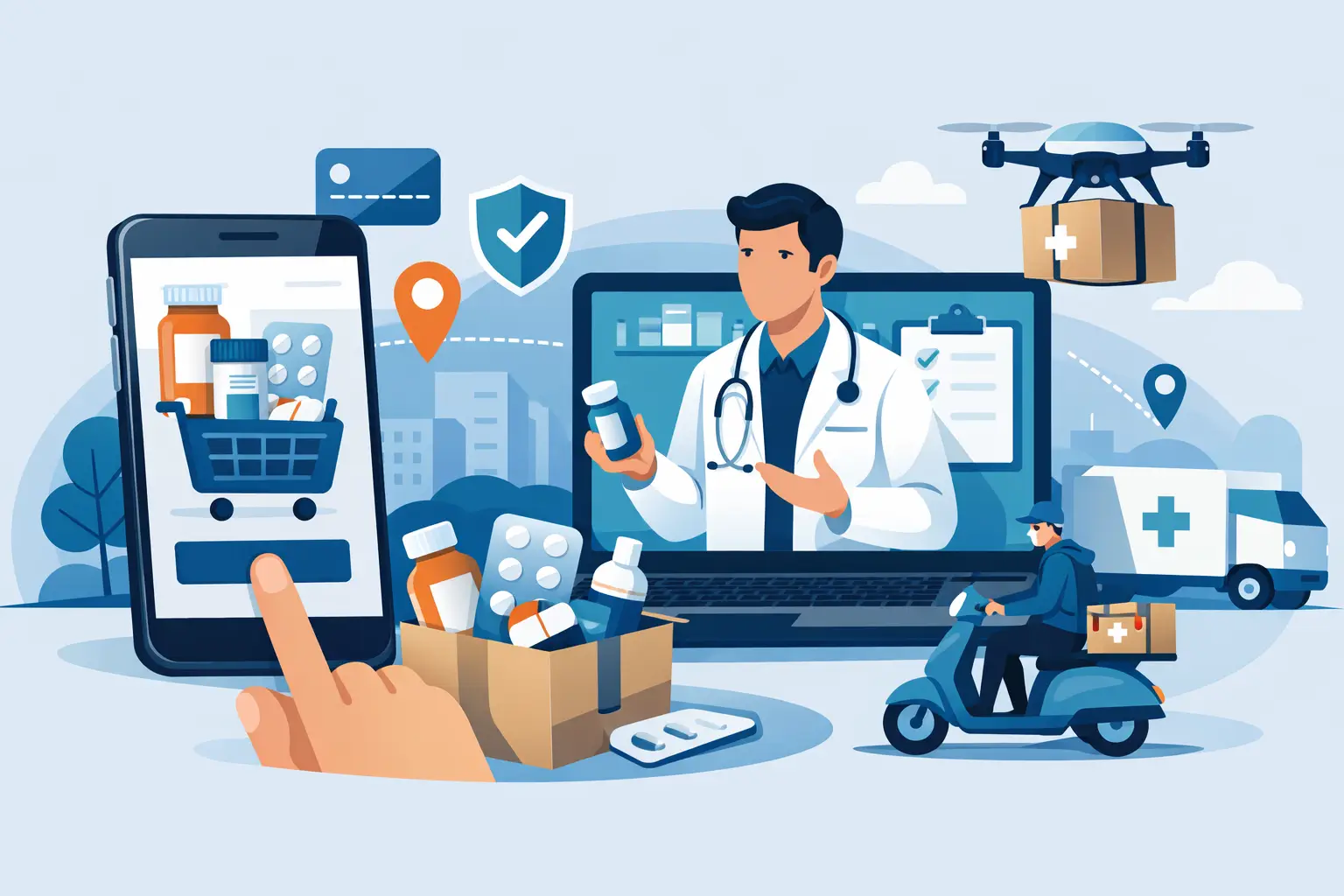
For many patients, the subcutaneous route is considerably more practical. Once a provider has reviewed your health profile and confirmed eligibility, SQ injections can often be self-administered at home following brief instruction. This aligns well with how other telehealth-compatible therapies — such as those featured in our GLP-1 weight loss program — are delivered, making SQ NAD+ a natural fit for patients already comfortable with at-home injectable protocols. Convenience, reduced chair time, and a gentler side-effect profile make SQ a frequently preferred starting point.
Safety Profile and Who May Potentially Benefit
Both delivery methods carry a favorable general safety profile when administered under provider supervision, though neither is appropriate for every individual. Common reported effects across both routes include fatigue, mild injection-site reactions (for SQ), or transient nausea and flushing (more common with IV). Serious adverse events are rare but possible, which is why medical review before starting any NAD+ protocol is essential.
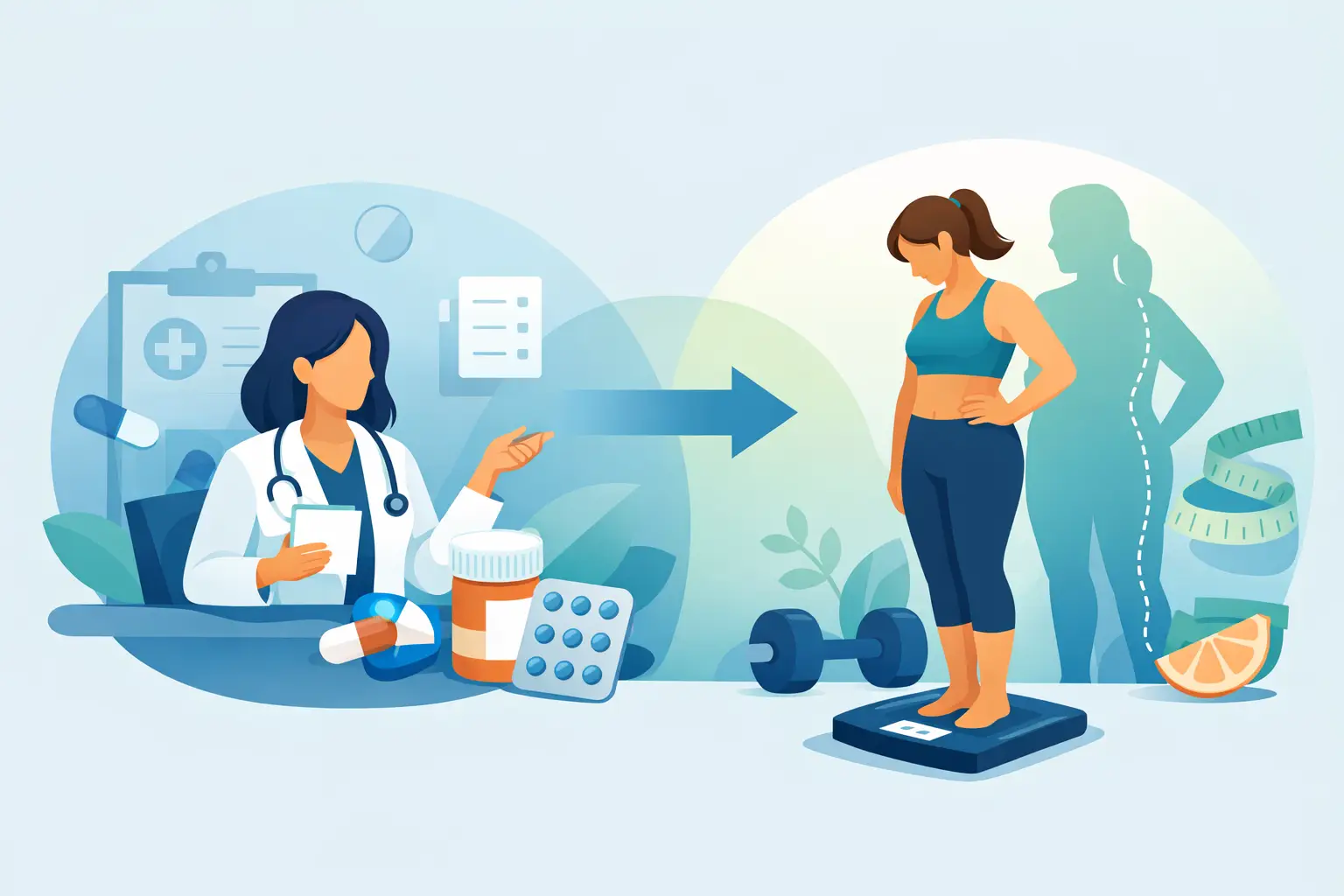
Individuals who may potentially benefit from NAD+ therapy include those experiencing age-related fatigue, metabolic concerns, or those pursuing comprehensive wellness strategies alongside programs like weight loss online or GLP-1 and diet optimization. It is important to note that NAD+ therapy is not a cure for any condition, and results vary significantly between individuals. Those with kidney disease, certain cardiovascular conditions, or who are pregnant or breastfeeding should discuss risks carefully with a licensed provider before proceeding.
Comparing NAD+ IV vs Subcutaneous: A Practical Summary
When weighing NAD+ IV vs subcutaneous delivery side by side, several practical factors stand out. IV infusions offer faster peak plasma levels and may be preferred in acute or intensive clinical protocols, but they require in-office visits, longer session times, and carry a higher likelihood of infusion-related side effects. Subcutaneous injections, by contrast, offer a slower, more tolerable absorption curve that lends itself to home administration and ongoing maintenance dosing.
For patients engaged in a broader telehealth wellness program — such as exploring EdenRx programs or reviewing transparent pricing before committing — SQ NAD+ often integrates more seamlessly into daily routines. Neither route guarantees specific outcomes, and the best approach is always one developed in partnership with a licensed provider who has reviewed your complete health picture. If you are unsure which option fits your profile, a provider consultation is the logical first step.
Thinking about adding NAD+ to your wellness plan? View Programs & Pricing or Start Your Free Assessment today — available to residents of Florida and New York.
Why Provider Review Matters
NAD+ therapy — like any injectable compound — is not a supplement you should source or self-prescribe without professional oversight. Dosing, frequency, contraindications, and the choice between IV and SQ administration are clinical decisions that depend on your individual health history, current medications, lab values, and goals. At EdenRx, every patient undergoes a provider review before any therapy is recommended or dispensed.
Our platform connects Florida and New York residents with licensed healthcare providers who specialize in metabolic and wellness medicine. This means your NAD+ protocol, if appropriate for you, is designed with the same rigor applied to our GLP-1 weight loss program and other provider-reviewed therapies. Telehealth does not mean unsupervised — it means convenient access to real clinical expertise. Built from Eden Med Spa — real patients, real treatments.
Frequently Asked Questions
Is NAD+ IV or subcutaneous more effective?
Neither method has been proven definitively superior for all patients. IV delivery produces faster peak plasma levels, while subcutaneous injection offers a more gradual absorption that may be better tolerated. The most effective option for you depends on your individual health profile and should be determined in consultation with a licensed provider.
How long does a subcutaneous NAD+ injection take?
Subcutaneous injections typically take only a few minutes to administer once a patient has been properly instructed. This is one of the primary convenience advantages over IV infusions, which may require one to four hours in a clinical setting.
Can I do NAD+ therapy through a telehealth platform?
Yes, if you are eligible. Subcutaneous NAD+ is particularly compatible with telehealth models because it can be self-administered at home after provider review. EdenRx serves residents of Florida and New York. Start a free assessment to find out if you may qualify.
Are there side effects with NAD+ therapy?
Both IV and subcutaneous NAD+ may cause side effects. IV infusions are more commonly associated with flushing, nausea, and a feeling of chest pressure, especially at faster infusion rates. Subcutaneous injections may cause localized redness or discomfort at the injection site. Serious adverse events are uncommon but possible. Results and tolerability vary by individual.
Who should not use NAD+ therapy?
Individuals with certain kidney conditions, cardiovascular disease, or those who are pregnant or breastfeeding should consult a provider before using NAD+ therapy. A thorough medical review is required before any protocol is initiated through EdenRx. This therapy is not appropriate for everyone, and eligibility is determined on a case-by-case basis.
How does NAD+ fit into a broader weight loss or wellness program?
NAD+ therapy is sometimes incorporated into comprehensive wellness plans alongside metabolic support, nutritional strategies, and — where appropriate — medications like GLP-1 receptor agonists. It is not a standalone weight loss treatment, but it may potentially complement other approaches. Explore our weight loss programs or GLP-1 options to learn more.
Conclusion
The debate around NAD+ IV vs subcutaneous delivery ultimately comes down to your personal health context, tolerance, lifestyle, and what a qualified provider determines is appropriate for you. IV infusions offer speed and intensity under clinical supervision; subcutaneous injections offer convenience, tolerability, and compatibility with home-based care. Neither route is a cure-all, and results vary — but with proper provider guidance, either approach may potentially support your broader health and wellness goals.
EdenRx makes it simple for Florida and New York residents to access provider-reviewed telehealth care, transparent pricing, and science-informed wellness protocols — all without leaving home. If you are curious about NAD+ therapy or any of our other programs, the first step is a free, no-obligation assessment.
Take the first step today. Start Your Free Assessment | View Pricing | Explore All Programs
Available to residents of Florida and New York only. Results vary. All therapies require provider review and approval. Nothing on this page constitutes medical advice or guarantees specific outcomes.