

Methylcobalamin and cyanocobalamin are both forms of vitamin B12, but they differ significantly in how the body processes and utilizes them — and for certain individuals, that difference may matter a great deal. Methylcobalamin is the bioactive form found naturally in the body, while cyanocobalamin is a synthetic form that must be converted before use.
Ready to find out if you qualify? Start Free Assessment — No payment required.
What Is Methylcobalamin and How Does It Work?
Methylcobalamin is the naturally occurring, biologically active form of vitamin B12. Unlike other forms, it does not require conversion by the liver before it can be used at the cellular level. It plays a direct role in methylation — a critical biochemical process involved in DNA synthesis, nerve function, and the metabolism of homocysteine, an amino acid linked to cardiovascular health when elevated.
Because methylcobalamin is already in its active state, it may be more readily absorbed and retained in tissues, particularly in the brain and nervous system. Research suggests it may support neurological health, energy metabolism, and red blood cell formation more efficiently in some individuals — especially those with certain genetic variants like the MTHFR mutation that impair B12 conversion.
What Is Cyanocobalamin and How Is It Different?
Cyanocobalamin is a synthetic form of vitamin B12 most commonly found in over-the-counter supplements and fortified foods. The name comes from the cyanide molecule attached to its cobalamin core — though the trace amount of cyanide released during metabolism is generally considered negligible and safe for most healthy adults. Before it can be used by the body, cyanocobalamin must be converted into either methylcobalamin or adenosylcobalamin.
This conversion step is where the forms diverge in practical importance. For individuals with healthy liver function and no genetic impairments in B12 metabolism, cyanocobalamin is a cost-effective and well-studied option. It is widely used in clinical settings because of its stability and long shelf life. However, for those who struggle with conversion — due to genetics, age, or underlying conditions — cyanocobalamin may not deliver the same benefit as its active counterpart.
Bioavailability and Absorption: Which May Perform Better?
Bioavailability refers to how much of a nutrient actually enters circulation and reaches the tissues that need it. When comparing methylcobalamin vs cyanocobalamin B12 on this measure, methylcobalamin holds a potential advantage for certain populations. Because it skips the conversion step entirely, it may be more efficiently utilized — particularly when administered via injection or sublingual (under-the-tongue) delivery rather than standard oral tablets.
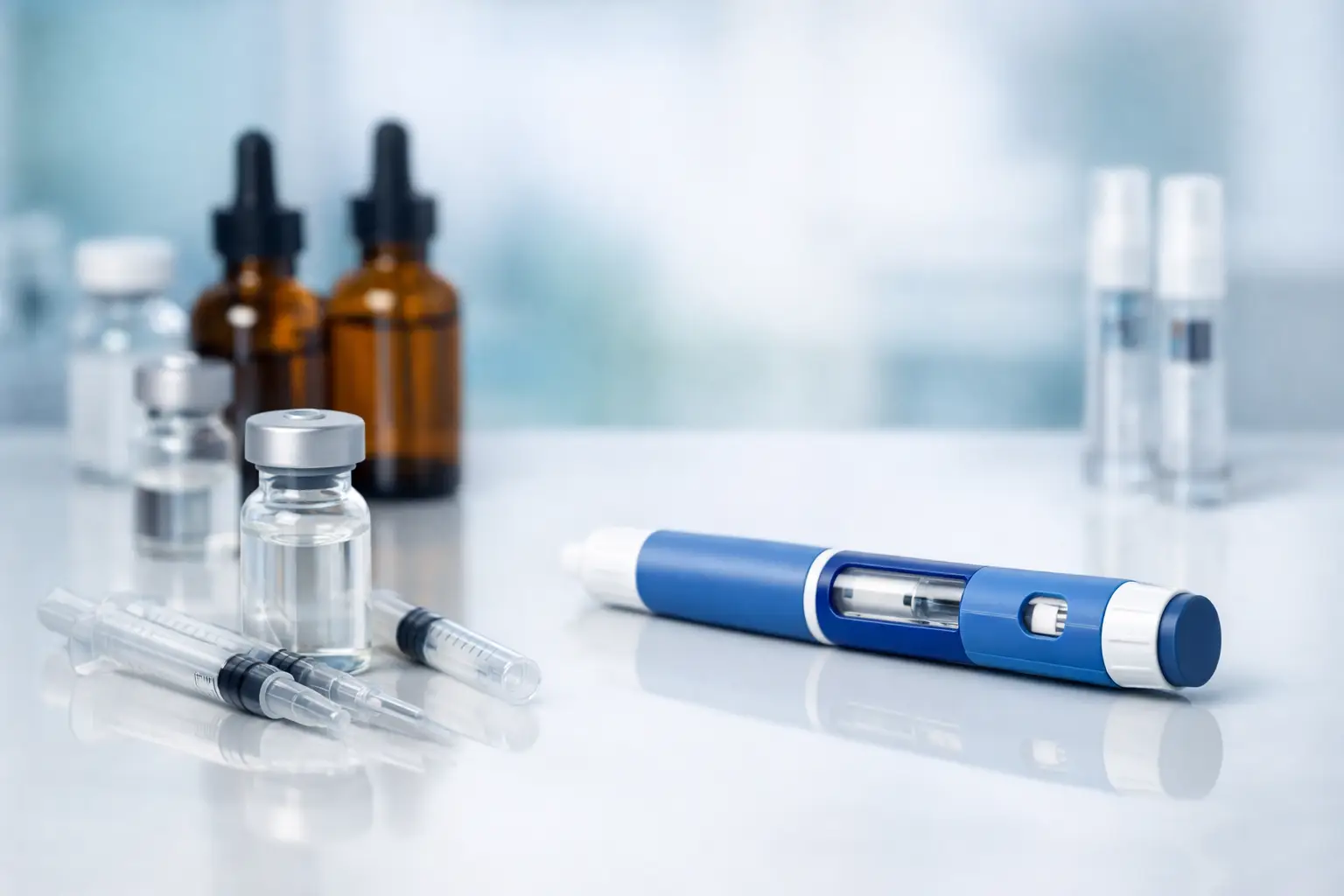
Injectable B12, often formulated as methylcobalamin, is a common component of wellness and weight loss support programs because it bypasses the gastrointestinal tract altogether. This route of administration may be especially beneficial for individuals with low stomach acid, gastrointestinal conditions like Crohn's disease, or those who are older — all groups that may have difficulty absorbing B12 through digestion alone. If you're exploring weight loss support online, B12 formulation is one of many factors a licensed provider may evaluate.
Who May Benefit Most From Methylcobalamin?
While both forms of B12 serve general nutritional purposes, methylcobalamin may be particularly relevant for specific groups. Individuals with the MTHFR gene variant — estimated to affect a significant portion of the population — may have reduced ability to convert synthetic B vitamins into their active forms, making methylcobalamin a potentially more effective choice. Vegetarians and vegans, who are more likely to be B12 deficient due to limited dietary sources, may also benefit from the more bioavailable form.
Additionally, methylcobalamin is often included in comprehensive wellness protocols alongside other compounds and therapies. At EdenRx, our provider-reviewed GLP-1 weight loss program may incorporate supportive nutrients like B12 as part of a broader, personalized approach to metabolic health — not as a standalone cure, but as a component of a thoughtful, evidence-informed plan. Results vary, and all recommendations are made by licensed providers based on individual eligibility.
Safety Profile: Is One Form Safer Than the Other?
Both methylcobalamin and cyanocobalamin have well-established safety records at recommended doses. Vitamin B12 is water-soluble, meaning excess amounts are typically excreted through urine rather than stored to toxic levels. Serious adverse effects from B12 supplementation are rare, though allergic reactions to injected forms have been reported and should be evaluated by a healthcare provider.
The trace cyanide in cyanocobalamin is generally not a concern for healthy individuals, but those with kidney impairment or rare metabolic disorders affecting cyanide detoxification — such as Leber's hereditary optic neuropathy — are typically advised to use methylcobalamin instead. When used as part of a supervised telehealth program, safety considerations like these are factored into every recommendation. Understanding how individual factors interact with supplementation is one reason provider review matters so much in any wellness protocol.
Methylcobalamin vs Cyanocobalamin in Weight Loss Support Programs
Vitamin B12 is not a weight loss drug, and no form of B12 should be marketed as one. That said, B12 deficiency can contribute to fatigue, brain fog, and reduced metabolic efficiency — symptoms that may make healthy lifestyle changes harder to sustain. Correcting a deficiency, or optimizing B12 status, may potentially support the energy levels and neurological function needed to stay active and consistent with a weight management plan.
When combined with a clinically guided approach — such as GLP-1 receptor agonist therapy or structured dietary intervention — B12 optimization may serve as a complementary support tool. Curious about how diet and medication-assisted approaches compare? Our breakdown of GLP-1 vs diet explores this in detail. At EdenRx, every plan is tailored by licensed providers, and no supplement or medication is recommended without a thorough assessment of your health history and goals.
Why Provider Review Matters
In the age of direct-to-consumer wellness products, it can be tempting to self-select supplements based on online research alone. But the difference between methylcobalamin and cyanocobalamin is just one example of how nuanced nutritional science can be — and why individualized, provider-guided recommendations are so important. Factors like your current B12 levels, genetic profile, medications, and health history all influence which form, dose, and delivery method may be appropriate for you.
At EdenRx, every patient interaction is reviewed by a licensed medical provider before any recommendation is made. We are a telehealth platform serving patients in Florida and New York, and our approach is rooted in clinical rigor, not one-size-fits-all protocols. Built from Eden Med Spa — real patients, real treatments. We believe wellness decisions deserve the same level of attention as any other medical care. View our pricing and program options to learn more about what's included in provider-reviewed care.
Not sure where to start? Take the Free Assessment and let a licensed provider help determine what may be right for you. Available in Florida and New York. Results vary.
Conclusion
When weighing methylcobalamin vs cyanocobalamin B12, there is no single answer that applies to every person. Methylcobalamin is the bioactive, naturally occurring form that may offer advantages in bioavailability and neurological support — particularly for those with impaired conversion pathways. Cyanocobalamin is a stable, cost-effective, and well-studied option that works well for many people with typical B12 metabolism. The best choice depends on your individual biology, health status, and goals.
Rather than navigating these decisions alone, consider working with a licensed provider who can assess your specific needs and recommend a personalized approach. If you're in Florida or New York and want to explore how B12 and other wellness supports may fit into a broader health plan, start with a free assessment at EdenRx. No payment is required to get started, and there are no guaranteed results — only thoughtful, provider-reviewed guidance designed with your wellbeing in mind.
Start Your Free Assessment Today — Provider-reviewed. No payment required. FL & NY only.