

Knowing how to store semaglutide correctly may significantly impact the medication's effectiveness and your overall safety. Semaglutide is a temperature-sensitive GLP-1 receptor agonist, and improper storage can potentially degrade the active compound before you ever use it.
Ready to find out if you qualify? Start Free Assessment — No payment required
Why Semaglutide Storage Matters for Your Results
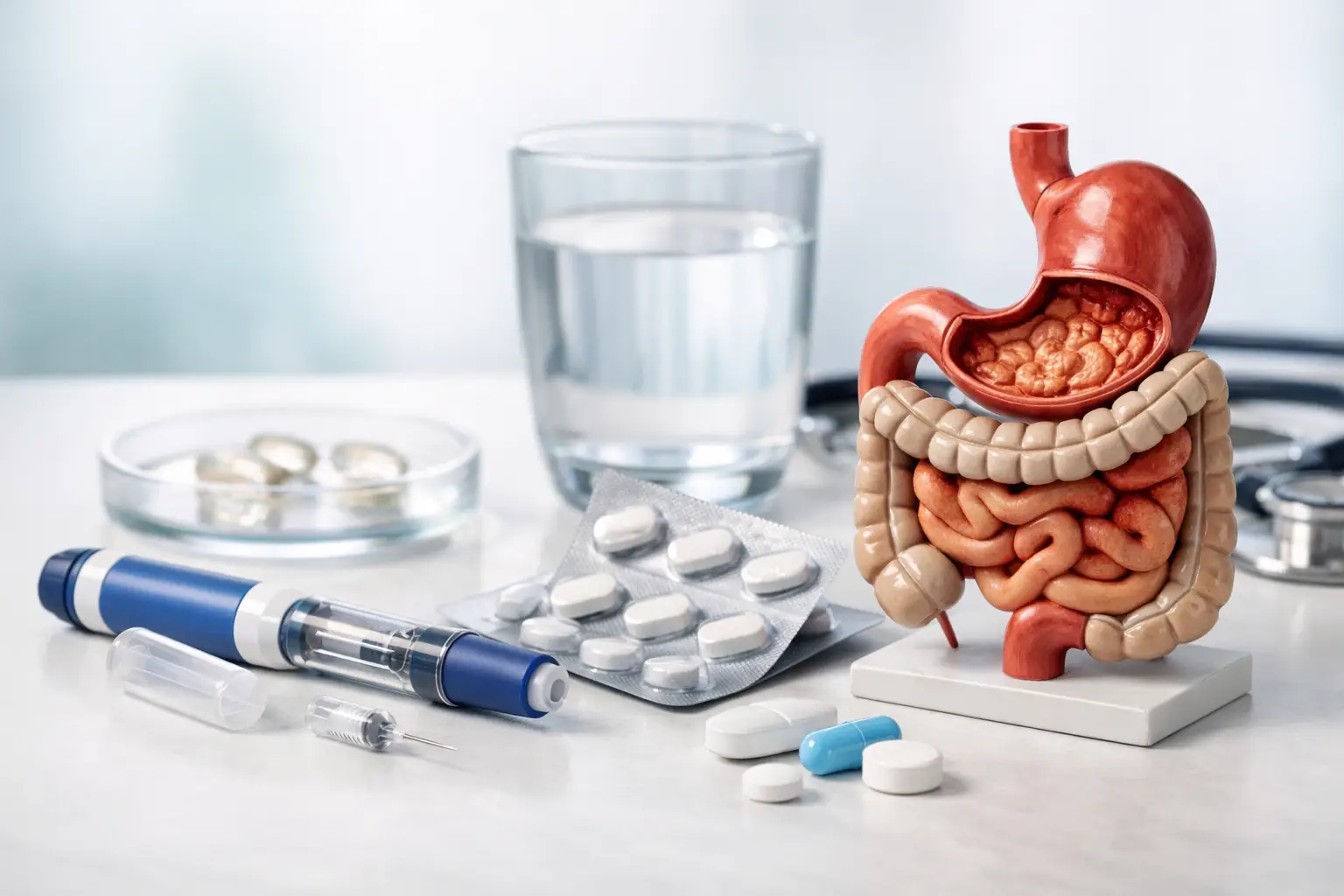
Semaglutide belongs to a class of medications known as GLP-1 receptor agonists, which are protein-based compounds that are inherently sensitive to heat, light, and physical agitation. When these conditions are not properly managed, the molecular structure of the medication may break down, potentially reducing its ability to support weight loss goals. Understanding the science behind storage is the first step toward protecting your investment in your health.
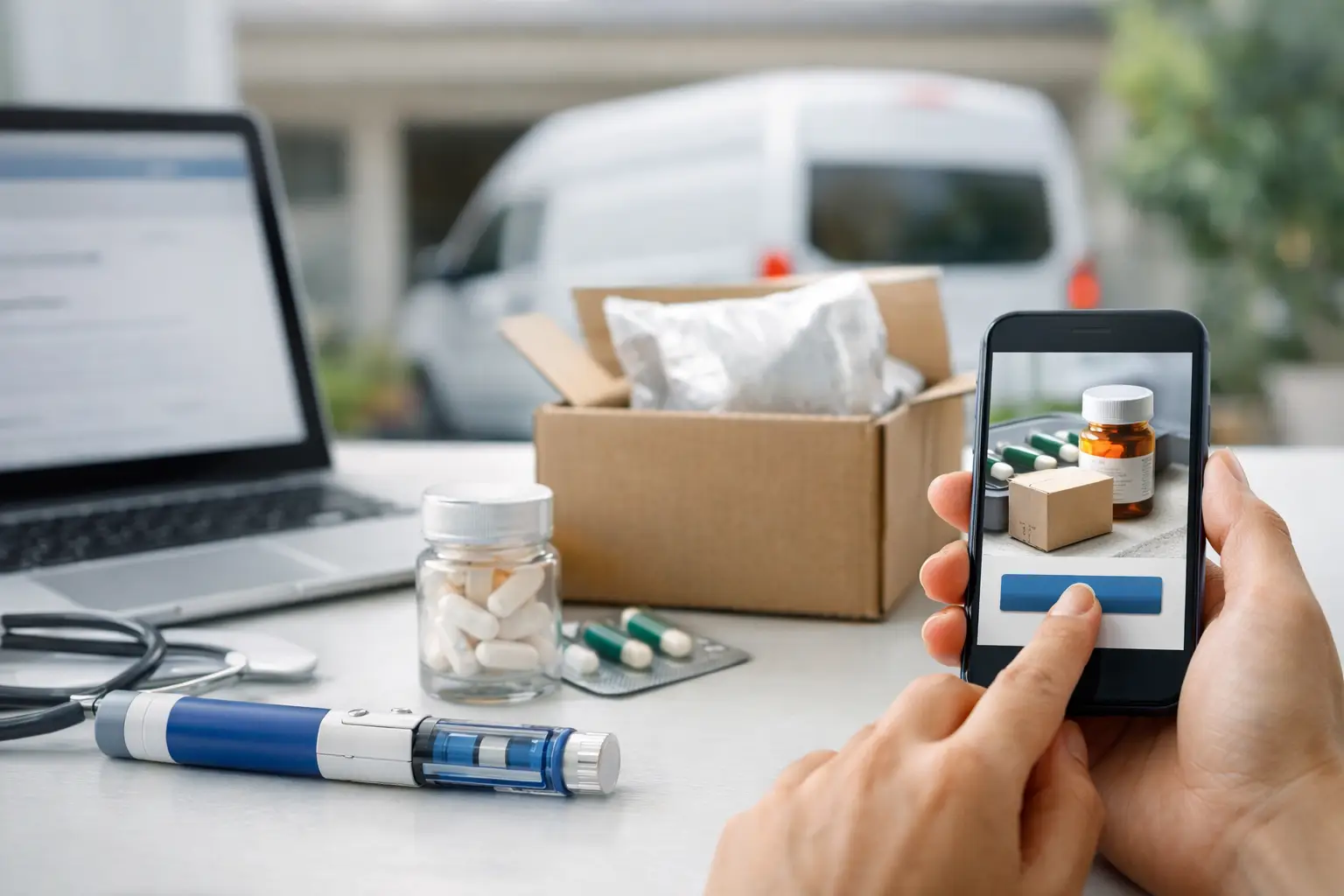
For patients pursuing weight loss through a provider-reviewed platform like EdenRx, ensuring your medication arrives and remains in optimal condition is part of the commitment to safe, responsible care. If you're curious about how this medication works inside the body before diving into storage specifics, our guide on how semaglutide works is a great place to start.
Proper Temperature Requirements for Semaglutide
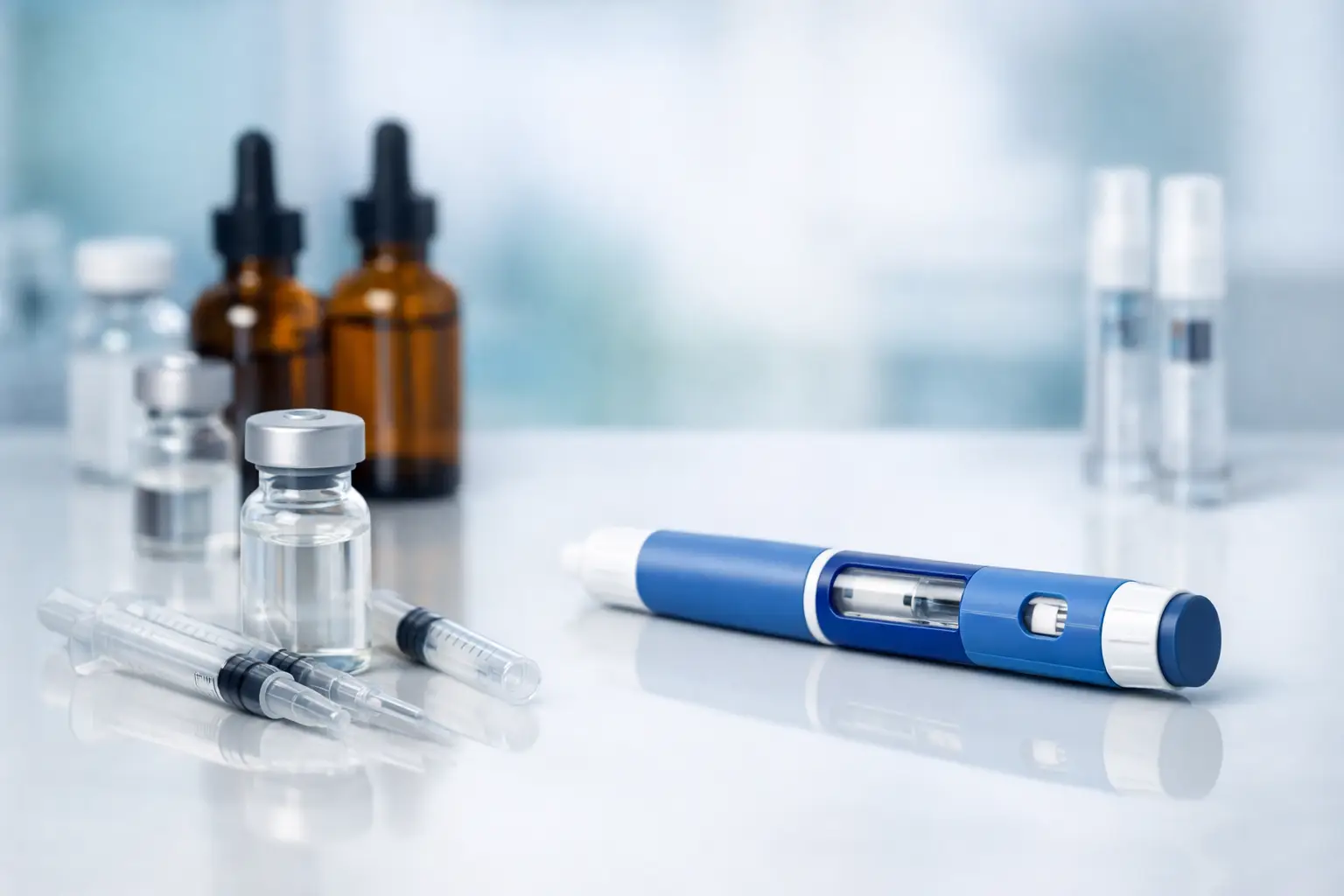
Unopened semaglutide pens or vials should be stored in the refrigerator at a temperature between 36°F and 46°F (2°C to 8°C). This is the standard cold-chain requirement maintained from the moment of manufacture through delivery to your door. Keeping the medication in the main body of the refrigerator — rather than in the door, where temperatures fluctuate — is strongly recommended by most clinical guidelines.
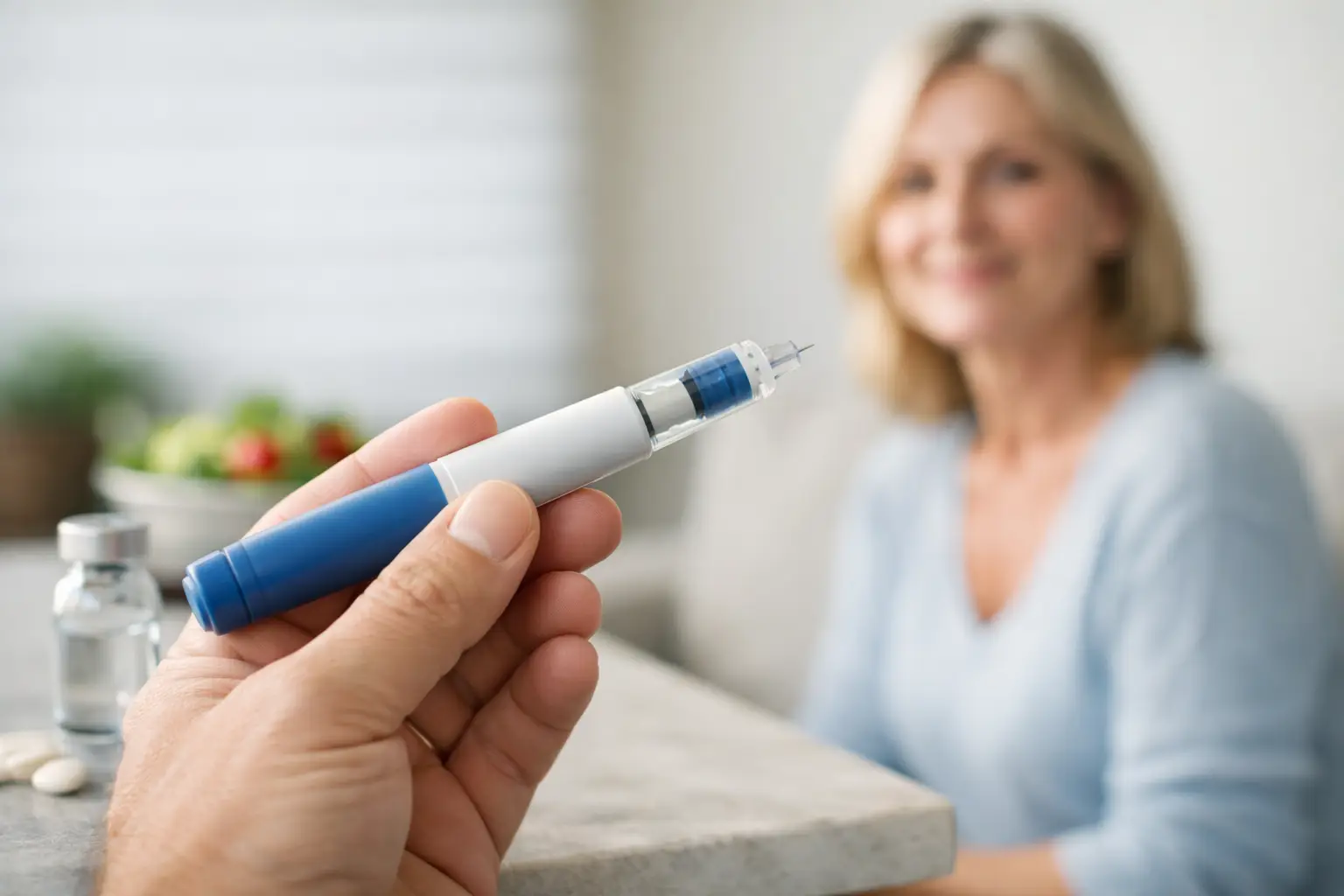
Once a semaglutide pen has been opened or is in active use, it may be stored at room temperature — generally defined as below 77°F (25°C) — for up to 56 days, depending on the specific formulation and your provider's instructions. Always keep it away from direct sunlight, heat sources like stovetops or windowsills, and areas with high humidity such as bathrooms. If you are ever unsure whether your medication has been compromised, contact your prescribing provider before using it.
What Happens If Semaglutide Is Stored Incorrectly?
If semaglutide is exposed to temperatures outside the recommended range — whether too hot or frozen — the peptide structure may degrade, potentially rendering the medication less effective or ineffective altogether. Freezing is particularly damaging; semaglutide should never be placed in a freezer or allowed to come into contact with ice packs directly. Visual signs of degradation may include cloudiness, discoloration, or the presence of particles in what should be a clear solution.
Using potentially compromised medication not only wastes money but could also interfere with your weight management plan. If you've been comparing options like semaglutide vs. tirzepatide, it's worth noting that both GLP-1-class medications share similar storage sensitivities — making proper handling a universal concern for anyone on these therapies.
Traveling With Semaglutide: Tips for On-the-Go Storage
Traveling with semaglutide requires some advance planning, but it is entirely manageable with the right tools. A quality medical-grade insulated travel case with a cooling element — one that keeps the medication between 36°F and 46°F without freezing it — is a smart investment for any patient who travels regularly. Many patients also find it helpful to time their injection schedule around travel days to minimize how long the pen spends outside of ideal conditions.
For air travel, always carry your semaglutide in your carry-on luggage rather than checked bags, where temperatures in cargo holds can be unpredictable and potentially extreme. Bring a copy of your prescription or a letter from your provider, as this may be requested at security checkpoints. If you're a patient in Florida or New York interested in learning more about what your program includes, visit our programs page for a full overview of what EdenRx offers.
Shelf Life, Expiration, and Disposal
Semaglutide has a finite shelf life, and using medication past its expiration date is never recommended. Unopened, refrigerated semaglutide typically has a shelf life extending to the date printed on the packaging, while in-use pens should be discarded after the manufacturer's recommended use period — commonly 56 days for most formulations. Mark the date you first open your pen directly on the label with a permanent marker so you never lose track.
Disposing of expired or unused semaglutide should be done responsibly. Many communities offer drug take-back programs through local pharmacies or law enforcement agencies, which is the safest disposal method. If no take-back option is available, the FDA recommends mixing the medication with an undesirable substance (such as used coffee grounds or dirt), sealing it in a bag, and placing it in household trash — never flush it unless the label specifically permits this. Curious about pricing and what's included in your EdenRx plan? Visit our pricing page for transparent, straightforward information.
Why Provider Review Matters
At EdenRx, every patient's care plan — including medication guidance, dosing schedules, and storage instructions — is reviewed by a licensed medical provider. This is not a one-size-fits-all approach; your provider takes into account your individual health profile, lifestyle, and goals before making any recommendations. This level of oversight is what separates a responsible telehealth platform from a simple online pharmacy.
Provider review also means that if you ever have questions about your medication — whether it was accidentally left out overnight or you notice something unusual about its appearance — you have a real clinical resource to turn to. For patients in Florida specifically, our semaglutide Florida page outlines the full scope of care available to you through EdenRx's state-licensed provider network. Results vary, and no specific outcomes are guaranteed; eligibility and appropriateness of treatment are always determined on an individual basis.
Think semaglutide might be right for you? Take the Free Assessment and connect with a licensed provider today — available to eligible patients in Florida and New York.
Built from Eden Med Spa — real patients, real treatments.
Frequently Asked Questions
Can semaglutide be left out overnight? An in-use pen that has been left at room temperature (below 77°F / 25°C) for a short period may still be usable, depending on how long and under what conditions it was stored. However, if the medication was exposed to heat or has been unrefrigerated for longer than the manufacturer's recommended window, contact your EdenRx provider before using it. When in doubt, do not use medication that may have been compromised.
What should I do if my semaglutide was frozen accidentally? Freezing can potentially damage the protein structure of semaglutide and should be considered a reason to not use the medication. Do not attempt to thaw and re-use frozen semaglutide. Contact your provider or pharmacy to discuss replacement options and report the incident so it can be documented in your care record.
How long can an opened semaglutide pen be stored? Most semaglutide formulations, once opened or first used, may be stored for up to 56 days either in the refrigerator or at room temperature below 77°F (25°C). Always refer to the specific instructions provided with your medication or given by your EdenRx provider, as formulations may vary.
Is it safe to store semaglutide in a bathroom medicine cabinet? Bathrooms are generally not recommended for medication storage because of fluctuating humidity and temperature caused by showers and baths. A bedroom drawer, bedside table, or dedicated medication storage area that stays consistently cool and dry is a better option for room-temperature storage.
Can I use a regular cooler bag to transport semaglutide? A standard cooler bag with ice packs may work for short transport periods, but you must ensure the medication does not come into direct contact with ice, which could freeze and damage it. Medical-grade insulated cases designed specifically for insulin or injectable medications are a more reliable option and are widely available online.
Does improper storage affect semaglutide's safety or just its effectiveness? Improper storage primarily affects potency — meaning the medication may become less effective — but degraded protein-based medications could potentially cause unexpected reactions in some individuals. This is another reason why never using medication that appears discolored, cloudy, or past its use date is a key safety principle reinforced by EdenRx's provider-reviewed care model.
Conclusion
Properly storing your semaglutide is a simple but critical part of your weight loss journey. From keeping unopened vials refrigerated between 36°F and 46°F, to marking the date you first use a pen, to planning ahead when traveling — these small habits may help ensure the medication you're taking is working as intended. EdenRx's provider-reviewed model means you're never navigating these details alone; licensed medical professionals are part of your care team every step of the way.
If you're in Florida or New York and wondering whether semaglutide may be right for you, the best next step is a simple, no-cost assessment. Eligibility is determined individually, results vary, and there are no guaranteed outcomes — but the conversation starts here.
Start Your Free Assessment at EdenRx — Provider-reviewed care for eligible patients in Florida and New York. No payment required to get started.