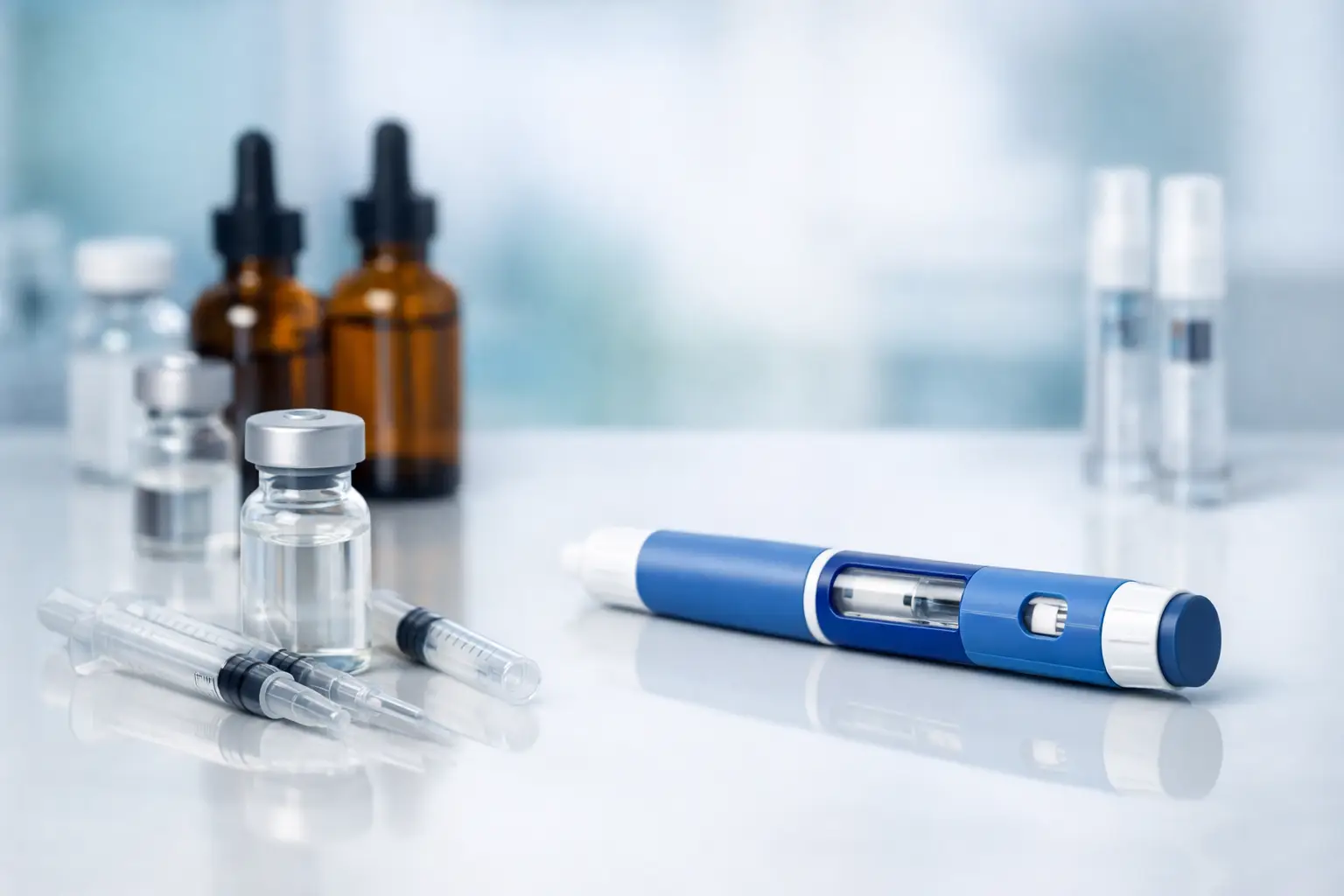


GLP-1 programs can be a powerful option for patients seeking medical weight-loss support, but referral partners need clear expectations about eligibility, monitoring, and outcomes. This guide explains how GLP-1 programs work, what your clinic or practice should handle, and how to refer patients efficiently.
Ready to find out if you qualify? Start Free Assessment — No payment required
What GLP-1 Programs Are and How They Work
GLP-1 receptor agonists are prescription medications that may help reduce appetite and improve blood sugar control. They are delivered as part of a structured program that typically includes medical assessment, dosing and titration, follow-up visits, and lifestyle support. Programs like those described on our /glp1-weight-loss-program page combine medication management with coaching and remote monitoring to support adherence.
As a referral partner, understanding the clinical framework helps you set realistic expectations for patients. Treatment is individualized: not every patient will qualify, and results vary. In FL and NY, telehealth-based options may be used for monitoring and follow-up when appropriate, while some patients will still need in-person evaluation.
Identifying Appropriate Patients and Eligibility
Referral partners should be familiar with basic eligibility factors and screening steps. Typical criteria include body mass index (BMI) thresholds, comorbid conditions such as type 2 diabetes or hypertension, and prior attempts at weight management. Use resources such as /who-qualifies-for-weight-loss-medication to quickly check common eligibility considerations; ultimate determination is made by a licensed prescriber.
Because GLP-1 treatment requires medical oversight, encourage patients to complete a clinical evaluation before starting medication. Referral pathways should include an initial medical history, relevant labs, and an assessment of current medications. Our /assessment is a no-cost way patients can begin the referral process and help streamline intake for your practice.
How Referral Workflows Can Be Structured
A clear workflow reduces delays and improves patient experience. Typical steps include: identify a candidate in your setting, provide educational materials, initiate a referral with clinical notes and recent labs, and notify the patient to complete the receiving provider’s assessment. Including problem lists and medication histories in your referral packet speeds evaluation and reduces redundant testing.
For many partners, the easiest path is a digital referral plus a brief phone or secure message to confirm the patient has scheduled their /assessment. For chronic-care practices, coordinating follow-up expectations—who manages side effects, how labs are ordered, and how weight trends are shared—avoids gaps in care. Our /programs page outlines partnership-friendly options and shared-care models.
Documentation, Consent, and Coordination
Documentation is essential. Provide clear clinical notes, recent lab results, pregnancy status for people of reproductive potential, and documentation of prior weight-loss attempts. Patients should be informed that GLP-1 medications are prescription therapies that may have side effects and that ongoing monitoring may be needed to adjust dosing.
Consent discussions should include realistic expectations: results may vary, and a patient may potentially benefit if eligible, but no outcome can be guaranteed. Clarify who on the care team will handle adverse events, and consider establishing a direct contact for quick communication about urgent concerns. You can reference our /pricing page with patients if they ask about program costs and financial expectations.
Communication Best Practices Between Partners
Efficient, secure communication prevents care fragmentation. Use encrypted messaging, shared electronic health record notes, or a centralized referral portal to exchange information. When referring, include concise reason-for-referral statements and specific questions you want answered—this helps the receiving provider prioritize the evaluation.
Set expectations for follow-up reports: a short summary after the initial evaluation and periodic updates on weight trajectory and medication tolerability are helpful. If you co-manage the patient, agree on lab frequency and thresholds for medication holds or dose adjustments. When appropriate, point patients toward our /weight-loss-online resources for education and program orientation before their first visit.
Why Provider Review Matters
Provider review ensures safe, appropriate use of GLP-1 medications. A licensed clinician reviews medical history, assesses contraindications, evaluates drug interactions, and supervises titration. That clinical oversight may reduce risks and optimize outcomes compared with initiating medications without medical supervision.
Referral partners add value by contributing up-to-date clinical information and by reinforcing behavioral supports. Collaborative review helps tailor treatment plans to the patient’s comorbidities, lifestyle, and preferences, which may improve adherence and satisfaction.
Built from Eden Med Spa — real patients, real treatments.
Ready to find out if your patient qualifies? Start Free Assessment — No payment required
Frequently Asked Questions
Q: Who qualifies for GLP-1 medication? A: Qualification depends on a medical evaluation, BMI, comorbidities, and prior treatment history. Use /who-qualifies-for-weight-loss-medication as a screening reference; final eligibility is determined by a licensed prescriber and patients may potentially qualify if eligible.
Q: Can referral partners co-manage patients on GLP-1 therapy? A: Yes. Many collaborations use shared-care arrangements where the prescribing clinician manages medication and the referring provider monitors labs or comorbid conditions. Agree on communication and responsibilities up front.
Q: Are GLP-1 programs available online? A: Some GLP-1 programs include telehealth and remote monitoring components. See our /weight-loss-online offerings for how virtual care is integrated. Availability currently includes patients in FL and NY under state-specific telehealth regulations.
Q: What are common side effects and who manages them? A: Common side effects may include nausea, constipation, or changes in appetite. The prescribing provider typically manages side effects and dose adjustments; urgent concerns should be escalated according to the agreed communication plan.
Q: How do I refer a patient to EdenRx? A: Provide a brief referral note with relevant history and labs, then ask the patient to complete our /assessment. That helps schedule an initial appointment and lets our clinicians review the information before prescribing if appropriate.
Q: How much does enrollment cost? A: Program pricing varies by level of service and may include medication, telehealth visits, and coaching. Refer to /pricing for current options and to /programs for what’s included in each tier.
Conclusion
Referral partners play a critical role in connecting appropriate patients to GLP-1 weight-loss care. By identifying candidates, providing concise documentation, and agreeing on co-management plans, you help improve care continuity and patient experience. Remember that treatment outcomes may vary and that patients may potentially benefit if eligible under a clinician’s supervision.
Ready to refer a patient or have them start their evaluation? Start Free Assessment — No payment required
Note: EdenRx provides services for patients in Florida (FL) and New York (NY) under applicable telehealth and prescribing regulations. Outcomes vary, and results are not guaranteed; any candidate must be evaluated by a licensed clinician who may determine if the therapy is appropriate.