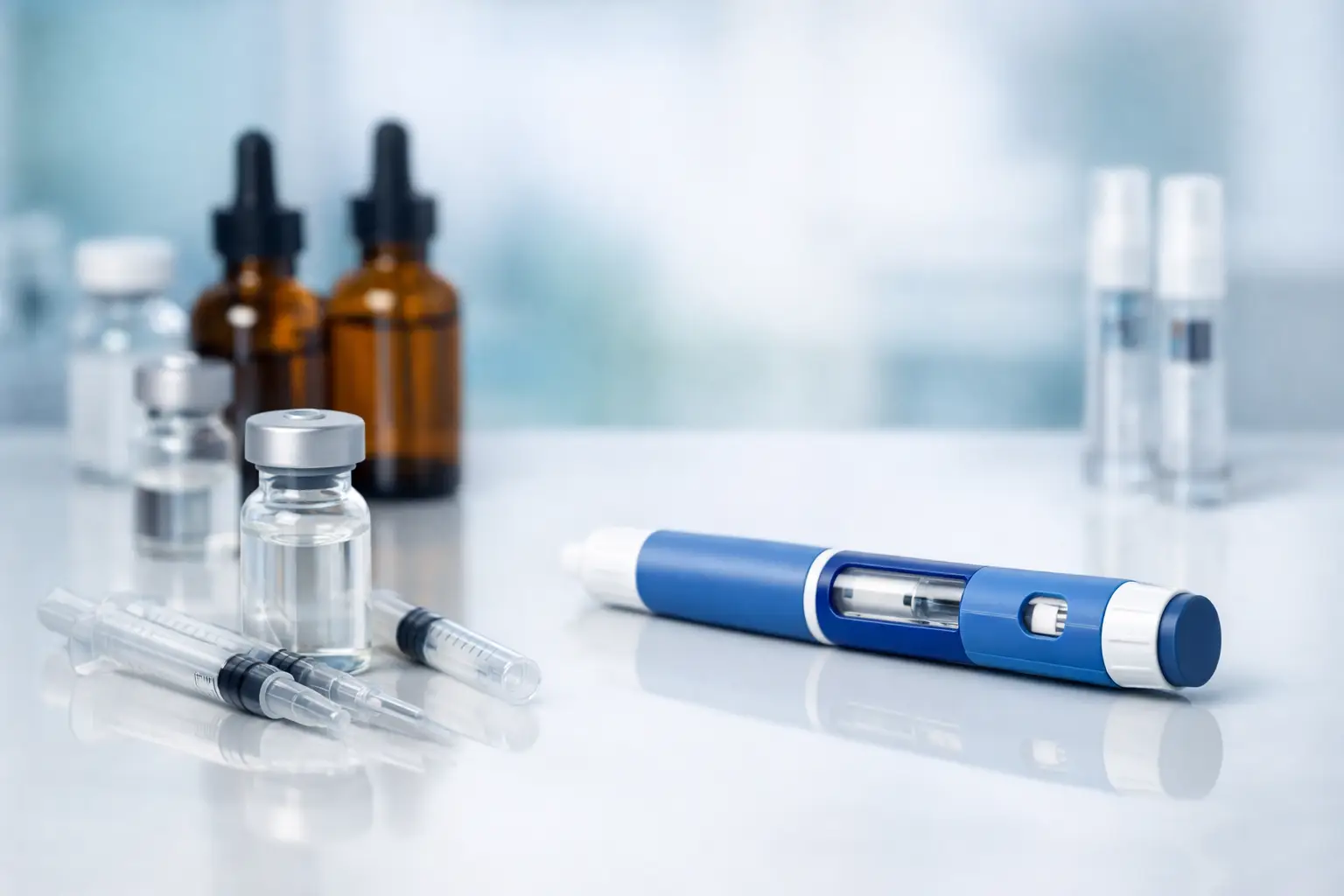


Most people beginning peptide therapy may start to notice subtle shifts — improved energy, reduced appetite, or early body composition changes — within the first 2 to 4 weeks, though meaningful, sustained results often take 8 to 16 weeks or longer depending on the specific peptide, dosage, lifestyle factors, and individual biology. Results vary significantly from person to person, and no specific outcome can be guaranteed.
Ready to find out if you qualify? Start Free Assessment — No payment required.
What Are Peptides and How Do They Work?
Peptides are short chains of amino acids — the same building blocks that make up proteins — that act as biological messengers in the body. Unlike large-molecule drugs, peptides are typically designed to mimic or stimulate naturally occurring signaling pathways, including those that regulate metabolism, hunger, fat storage, and cellular repair. Because they work with the body's existing systems rather than overriding them, they are considered by many clinicians to have a favorable tolerability profile when used under medical supervision.
In the context of weight management, peptide-based compounds like GLP-1 receptor agonists signal the brain's satiety centers, slow gastric emptying, and may influence how the body processes glucose. This multi-pathway approach is one reason provider-reviewed programs — like those offered through EdenRx's GLP-1 Weight Loss Program — have generated significant clinical and patient interest. Understanding the mechanism helps set realistic expectations for how long it may take for effects to become noticeable.
The Peptide Therapy Timeline: What to Expect Week by Week
Weeks 1 through 4 are often considered the adjustment phase. During this period, the body is adapting to the compound, and doses are typically titrated upward gradually to minimize side effects. Some individuals may notice early appetite changes, mild nausea, or subtle shifts in energy levels. Visible body composition changes are generally not expected this early, and that is completely normal — the therapeutic groundwork is being laid.
By weeks 8 through 16, many patients who have maintained consistent dosing and made supportive lifestyle adjustments may begin to see more measurable outcomes, including reductions in body weight, improvements in metabolic markers, and changes in how they relate to food and hunger. Long-term programs extending beyond six months are where the most sustained and clinically meaningful results are typically observed. If you are curious about what a structured program looks like, explore EdenRx's full programs page to understand the phased approach used by our reviewing providers.
Factors That Influence How Quickly Peptide Therapy May Work
No two individuals respond identically to peptide therapy, and several variables can accelerate or slow the timeline. These include baseline metabolic health, body composition, age, hormonal status, sleep quality, dietary habits, and physical activity levels. Someone with insulin resistance, for example, may experience a different response curve than someone without it. This is precisely why a thorough intake assessment is essential before starting any peptide-based protocol.
The specific compound and its dosing schedule also matter considerably. Some peptides are administered daily, while others follow weekly or bi-weekly cycles. Compounded formulations — which are prepared by licensed compounding pharmacies and reviewed by licensed providers — may offer flexibility in dosing that commercially available products do not. To understand whether your health profile may align with peptide therapy eligibility, review the qualification criteria outlined on our platform. EdenRx serves patients in Florida and New York only.
Safety Profile: What You Should Know Before Starting
Peptide therapies used in medically supervised weight loss programs are generally considered to have a well-characterized safety profile when prescribed and monitored by licensed providers. The most commonly reported side effects include gastrointestinal symptoms such as nausea, bloating, and changes in bowel habits — particularly during the dose titration phase. These effects are often transient and tend to diminish as the body adjusts over the first several weeks.
That said, peptide therapy is not appropriate for everyone. Individuals with a personal or family history of certain thyroid cancers, pancreatitis, or other specific conditions may not be eligible candidates. Potential drug interactions and contraindications must be evaluated on a case-by-case basis by a qualified medical provider. This is why EdenRx's model requires a provider review before any treatment plan is initiated — safety is not optional. If you are exploring your options, the online weight loss program overview is a good starting point for understanding how the process works.
Who May Benefit from Peptide Therapy for Weight Loss?
Peptide therapy may be a suitable option for adults who have struggled to achieve meaningful results through diet and exercise alone, particularly those with a BMI of 27 or higher with at least one weight-related comorbidity, or a BMI of 30 or higher. It may also be of interest to individuals who have experienced weight regain after previous interventions. Eligibility is always determined by a licensed medical provider based on a comprehensive health intake — not a one-size-fits-all checklist.
Importantly, peptide therapy is most effective when viewed as one component of a broader lifestyle and wellness strategy — not a standalone fix. Patients who engage with nutritional guidance, prioritize sleep, and maintain consistent follow-up with their care team may potentially see better outcomes over time. If you are ready to take the first step, complete EdenRx's free assessment to find out if you may be eligible. EdenRx currently serves patients in Florida and New York.
Why Provider Review Matters
In a crowded telehealth landscape, the presence of a licensed, reviewing medical provider is what separates a safe, personalized protocol from a generic supplement order. At EdenRx, every patient intake is reviewed by a licensed provider who evaluates health history, current medications, and individual goals before any treatment is recommended. This review process is not a formality — it is the foundation of responsible peptide therapy.
Provider oversight also means ongoing monitoring. Dosing adjustments, side effect management, and progress check-ins are all part of the EdenRx experience. Patients are not left to interpret their own results in isolation. When questions arise — and they will — there is a clinical team equipped to respond. This level of structured support is reflected in how EdenRx was built: from Eden Med Spa — real patients, real treatments.
Thinking about peptide therapy? Find out if you may qualify in minutes — no payment required. 👉 Start Your Free Assessment | View Pricing | Explore Programs
Frequently Asked Questions
How long does peptide therapy take to work for weight loss?
Most individuals who are eligible and begin a medically supervised peptide protocol may notice early changes — such as reduced appetite or slight improvements in energy — within 2 to 4 weeks. More significant and measurable weight loss outcomes are generally observed between weeks 8 and 16, with the most sustained results appearing after 3 to 6 months of consistent use. Results vary by individual.
Is peptide therapy safe?
When prescribed and monitored by a licensed medical provider, peptide therapy is generally considered to have a favorable safety profile. The most common side effects are gastrointestinal in nature and tend to be temporary. However, peptide therapy is not appropriate for everyone, and eligibility must be determined through a formal provider review. EdenRx requires this review before any treatment is initiated.
What types of peptides are used for weight loss?
The most clinically studied peptides for weight management are GLP-1 receptor agonists, which work by mimicking the glucagon-like peptide-1 hormone to reduce appetite and slow digestion. Compounded versions of these and related peptides may be available through telehealth platforms like EdenRx, depending on your eligibility and the reviewing provider's assessment. Learn more about the GLP-1 program.
How do I know if I qualify for peptide therapy through EdenRx?
EdenRx offers a free, no-payment-required online assessment that collects your health history and goals. A licensed provider then reviews your information to determine if you may be eligible for a peptide-based weight loss program. You can start the assessment here. EdenRx currently serves patients in Florida and New York only.
Can I combine peptide therapy with other weight loss approaches?
Yes — and in fact, combining peptide therapy with healthy lifestyle habits such as improved nutrition, regular physical activity, and adequate sleep may potentially enhance outcomes. EdenRx's provider-reviewed programs are designed to support a holistic approach to weight management, not to replace foundational wellness practices.
How much does peptide therapy cost through EdenRx?
Pricing for EdenRx's peptide and GLP-1 weight loss programs varies based on the specific protocol recommended by your reviewing provider. Transparent pricing information is available on the EdenRx pricing page, and there is no payment required to complete your initial assessment.
The Bottom Line
Peptide therapy is not an overnight solution — but for eligible patients in Florida and New York, it may represent a meaningful, medically supervised pathway toward sustainable weight management. Understanding the realistic timeline, the underlying mechanisms, and the importance of provider oversight can help you approach the process with appropriate expectations and confidence.
EdenRx was built on a foundation of real clinical care, real patients, and transparent processes. If you are curious whether peptide therapy might be right for you, the first step is simple and costs nothing.
Take the first step today. 👉 Start Your Free Assessment | View Programs | Check Pricing
EdenRx is available to patients in Florida and New York. Results vary. All treatment plans are subject to provider review and approval. This content is for informational purposes only and does not constitute medical advice.