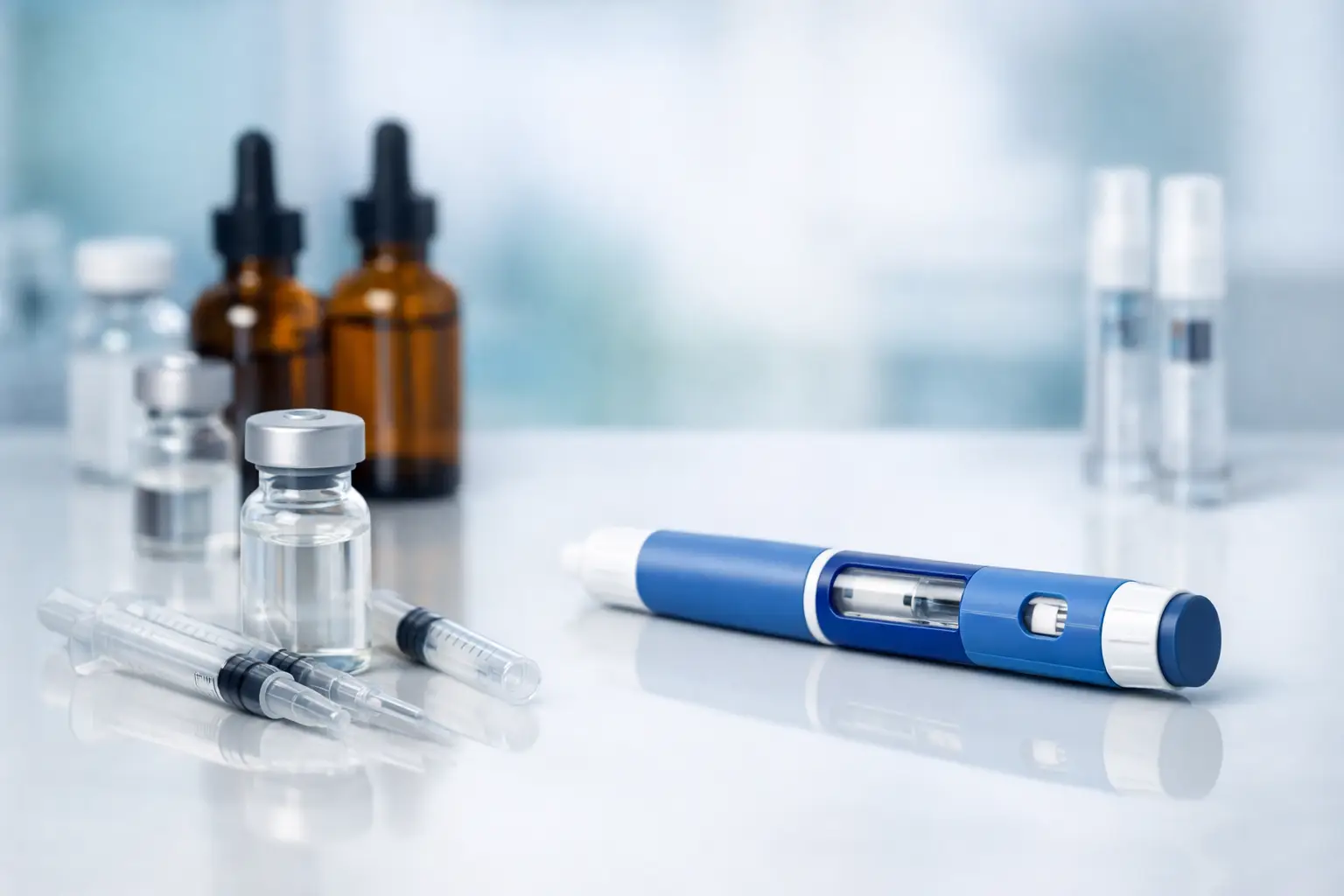


GLP-1 receptor agonists — medications originally developed for type 2 diabetes and now widely used for weight loss — have shown promising early evidence for potentially improving markers of non-alcoholic fatty liver disease (NAFLD) and its more advanced form, NASH (non-alcoholic steatohepatitis). While research is still evolving and no GLP-1 medication is currently FDA-approved specifically for NAFLD, the data emerging from clinical trials is generating significant interest among hepatologists and metabolic health specialists.
Ready to find out if you qualify? Start Free Assessment — No payment required
What Is NAFLD and Why Does It Matter?
Non-alcoholic fatty liver disease is one of the most common chronic liver conditions in the United States, affecting an estimated 24% of the adult population. It occurs when excess fat accumulates in liver cells in people who drink little or no alcohol. Left unaddressed, NAFLD can progress to NASH — a more serious inflammatory form — and eventually to fibrosis or cirrhosis. Because NAFLD is closely linked to obesity, insulin resistance, and metabolic syndrome, it frequently overlaps with the same patient population that may benefit from GLP-1 weight loss programs.
The liver plays a central role in glucose regulation, fat metabolism, and detoxification. When excess visceral fat accumulates — particularly around abdominal organs — it can accelerate fat deposition in the liver as well. This is why weight-focused interventions, including dietary changes and medications that promote weight loss, are currently at the forefront of NAFLD management research. Reducing total body weight by even 7–10% has been associated with measurable improvements in liver fat content, inflammation, and fibrosis scores in clinical studies.
What Does Current Research Say About GLP-1 and Fatty Liver?
Several clinical trials have examined the potential hepatic benefits of GLP-1 receptor agonists, most notably semaglutide and liraglutide. A landmark phase 2 trial published in The New England Journal of Medicine in 2021 found that daily subcutaneous semaglutide was associated with a significantly higher rate of NASH resolution compared to placebo — without worsening fibrosis. Participants receiving semaglutide also experienced notable reductions in body weight, liver enzymes (ALT and AST), and inflammatory biomarkers. These findings have encouraged larger phase 3 trials now underway.
Liraglutide has also been studied in the LEAN trial, where 39% of participants receiving the medication achieved NASH resolution versus 9% in the placebo group. Beyond histological improvements, GLP-1 medications appear to work through multiple mechanisms relevant to liver health — including reducing hepatic lipogenesis (fat production in the liver), decreasing visceral adiposity, improving insulin sensitivity, and reducing oxidative stress. It is important to note, however, that results vary between individuals, and these medications are not yet approved specifically for liver disease. Anyone considering GLP-1 therapy should consult with a qualified provider to determine if they may be eligible.
How Weight Loss Connects to Liver Health
One of the primary reasons GLP-1 receptor agonists may benefit patients with NAFLD is their powerful effect on body weight. Significant, sustained weight loss is currently the most evidence-backed non-pharmacological approach to improving liver histology in NAFLD patients. GLP-1 medications work by mimicking a naturally occurring gut hormone that signals fullness to the brain, slows gastric emptying, and reduces appetite — effects that collectively support caloric reduction and gradual, meaningful weight loss.
For patients who qualify, losing weight through a medically supervised weight loss online program may contribute to reductions in liver fat, improved enzyme levels, and better metabolic control. EdenRx's provider-reviewed telehealth platform makes it possible for eligible patients in Florida and New York to access GLP-1 medications with ongoing clinical oversight — without needing to visit a clinic in person. Individual results vary, and this approach may be appropriate only for certain patients based on medical history, current conditions, and other factors assessed during provider review.
The Role of Insulin Resistance in NAFLD Progression
Insulin resistance is considered a central driver of NAFLD development and progression. When cells become resistant to insulin, the pancreas compensates by producing more, and the liver responds by increasing fat synthesis and storage. GLP-1 receptor agonists directly address this pathway by enhancing glucose-dependent insulin secretion, suppressing glucagon, and improving overall insulin sensitivity — all of which may help reduce the metabolic stress placed on the liver.
For patients with prediabetes, type 2 diabetes, or metabolic syndrome alongside fatty liver disease, GLP-1 medications may offer a dual benefit: better blood sugar regulation and potentially improved liver outcomes. This intersection of metabolic and hepatic health is a major reason why providers increasingly consider GLP-1 therapy as part of a comprehensive metabolic management plan. If you're unsure whether you might be a candidate, reviewing who qualifies for weight loss medication is a useful first step before speaking with a provider.
Why Provider Review Matters
GLP-1 medications are prescription-only for a reason — they require individualized clinical assessment to determine appropriateness, proper dosing, and safe monitoring. Conditions such as a personal or family history of medullary thyroid carcinoma, pancreatitis, or certain gastrointestinal disorders may affect eligibility. A thorough provider review ensures that the right patients are identified and that any potential risks are carefully weighed against the potential benefits.
At EdenRx, every patient goes through a structured intake and assessment process reviewed by licensed medical providers before any prescription is issued. This isn't a one-size-fits-all service — it's a clinically grounded program designed to prioritize patient safety and informed decision-making. Built from Eden Med Spa — real patients, real treatments. Our approach combines the accessibility of telehealth with the rigor of traditional provider-patient relationships. You can explore our programs and pricing to understand what to expect before you begin.
Thinking about GLP-1 therapy? See if you qualify today — It takes just a few minutes and there's no payment required to start.
Frequently Asked Questions
Is GLP-1 FDA-approved for fatty liver disease?
As of now, no GLP-1 receptor agonist is FDA-approved specifically for the treatment of NAFLD or NASH. However, medications like semaglutide are approved for weight management and type 2 diabetes, and ongoing clinical trials are evaluating their potential for liver disease indications. Always consult a licensed provider to understand what may be appropriate for your specific situation.
Can losing weight with GLP-1 medications actually improve liver health?
Research suggests that significant weight loss — including weight loss achieved with GLP-1 medications — may be associated with improvements in liver fat content, inflammation, and in some cases, fibrosis scores. However, results vary between individuals, and no outcomes are guaranteed. A provider-reviewed program like the one offered through EdenRx can help determine if this approach may be appropriate for you.
Who is most likely to benefit from GLP-1 therapy for NAFLD?
Patients who are overweight or obese, insulin resistant, or have type 2 diabetes alongside NAFLD may be among those most likely to respond to GLP-1 therapy, based on current research. Eligibility is determined on a case-by-case basis through a clinical assessment. You can start the process at EdenRx's free assessment page.
Are there risks associated with using GLP-1 medications?
Like all prescription medications, GLP-1 receptor agonists carry potential risks and side effects, which commonly include nausea, vomiting, diarrhea, and constipation — especially during dose escalation. More serious but rare risks include pancreatitis and a potential association with thyroid tumors in animal studies. A licensed provider will review your health history to assess whether GLP-1 therapy is safe and potentially appropriate for you.
Is EdenRx available outside of Florida and New York?
Currently, EdenRx operates as a telehealth provider in Florida and New York only. Patients must be located in one of these states at the time of their consultation and throughout their treatment. We are committed to serving patients within the scope of our licensed practice areas to ensure the highest standard of care.
How do I get started with a GLP-1 program through EdenRx?
Getting started is simple and free. Visit the assessment page to complete a brief intake questionnaire — there's no payment required to begin. A licensed provider will review your responses and, if you may be eligible, guide you through next steps including program options and pricing.
Conclusion: Promising Science, Personalized Care
The research connecting GLP-1 receptor agonists to potential improvements in fatty liver disease is genuinely exciting — and still unfolding. While we are not yet at the point where GLP-1 medications are prescribed exclusively for NAFLD, the convergence of weight loss, improved insulin sensitivity, and direct hepatic effects makes these medications a compelling area of study for metabolic medicine. For patients who may already qualify for GLP-1 therapy based on BMI or metabolic health criteria, the potential liver benefits may represent an additional, meaningful upside.
If you're in Florida or New York and are curious whether a provider-reviewed GLP-1 program may be right for you, EdenRx makes the process straightforward, accessible, and medically sound. Results vary, and eligibility is determined by a licensed provider — but taking the first step costs nothing. Start your free assessment today and find out where you stand.