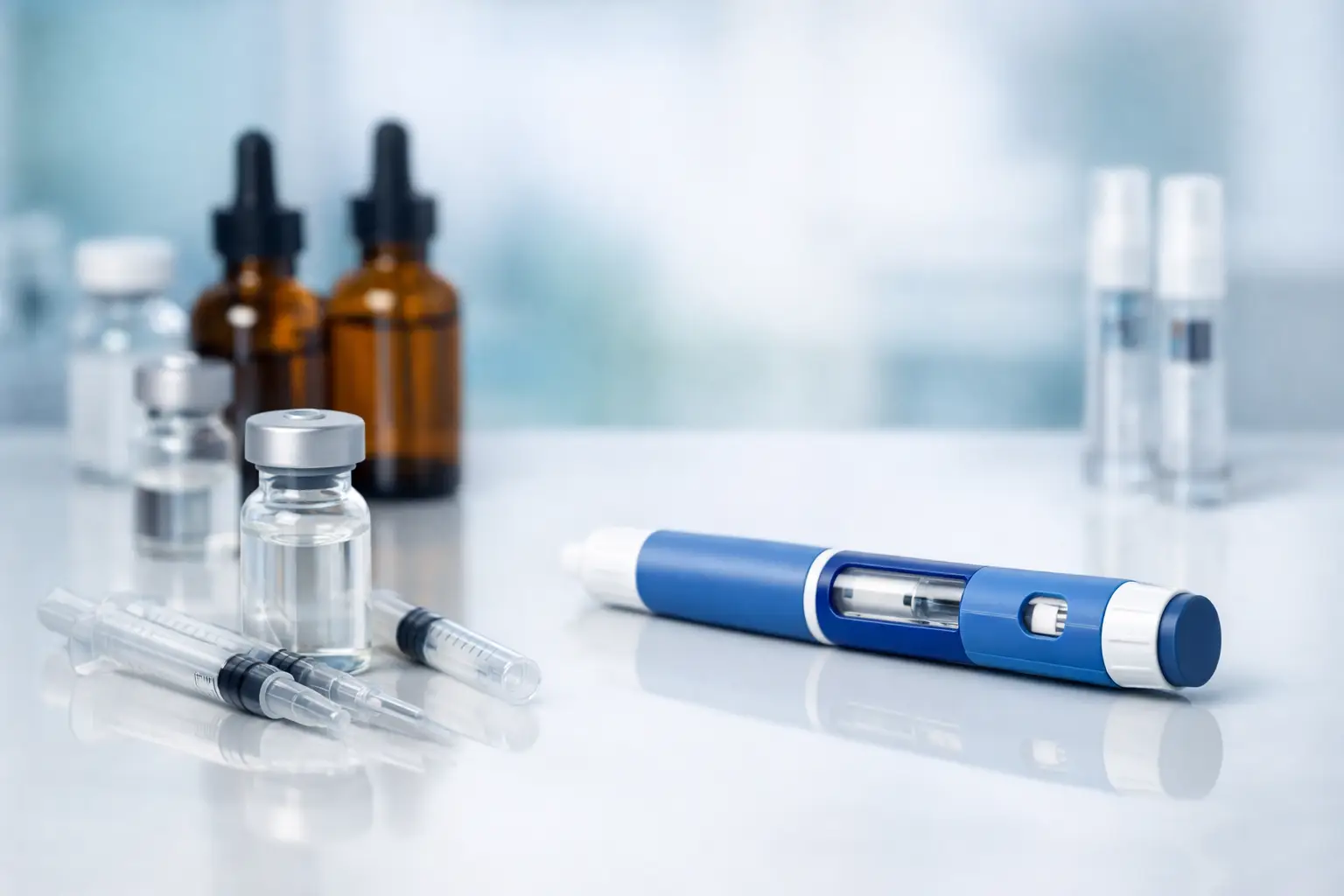


GLP-1 receptor agonists have transformed the landscape of medically supervised weight loss — but as more people begin these medications, questions about their effect on mental health, particularly anxiety, are becoming increasingly common. While early research is promising and many patients report improved well-being, individual responses vary, and understanding the potential connection between GLP-1 therapy and anxiety is an important part of making an informed decision.
Ready to find out if you qualify? Start Free Assessment — No payment required.
What Are GLP-1 Medications and How Do They Work?
GLP-1 receptor agonists — such as semaglutide and tirzepatide — are a class of medications originally developed for type 2 diabetes management that have since become a cornerstone of modern medical weight loss programs. They work by mimicking a naturally occurring gut hormone called glucagon-like peptide-1, which signals the brain to reduce hunger, slow gastric emptying, and regulate blood sugar. The result, for many patients, is a significant reduction in appetite and food cravings.
Because GLP-1 receptors are found not only in the gut and pancreas but also in the brain — including regions associated with mood, reward, and stress response — researchers have begun investigating whether these medications do more than just suppress appetite. If you're curious whether you may be a candidate, our GLP-1 Weight Loss Program outlines what to expect from start to finish.
The Gut-Brain Axis: A Potential Link to Mood and Anxiety
The gut-brain axis is a well-established communication network between the gastrointestinal system and the central nervous system. Because GLP-1 hormones naturally play a role in this bidirectional signaling, it stands to reason that medications mimicking these hormones could potentially influence mental health outcomes — including anxiety levels. Some early clinical observations suggest that GLP-1 therapy may be associated with reduced anxiety symptoms in certain patients, possibly through modulation of dopamine and serotonin pathways.
However, it's critical to note that individual responses vary significantly. Some patients report feeling calmer and more in control of their eating habits, while others may experience mild emotional changes, particularly during the adjustment period. These shifts are not guaranteed in either direction, and any significant mood changes should always be discussed with your prescribing provider. This is precisely why a medically supervised approach — like the one offered through our weight loss online platform — is so important.
Can GLP-1 Medications Cause or Worsen Anxiety?
This is one of the most frequently asked questions about GLP-1 therapy, and the honest answer is: it depends on the individual. Some patients report transient anxiety-like symptoms — restlessness, heart palpitations, or heightened nervousness — particularly in the early weeks of treatment. These may be related to the body adjusting to hormonal signaling changes, fluctuations in blood sugar, or even the psychological shift that comes with dramatically altered appetite.
It's also worth considering that weight loss itself can be emotionally complex. Changes in body image, social dynamics, and even caloric intake can all contribute to mood fluctuations. The FDA has noted the importance of monitoring mental health in patients on GLP-1 medications, and while serious psychiatric events appear rare, they are worth discussing openly. Patients with pre-existing anxiety disorders should be especially transparent with their provider before starting any weight loss medication, so that a safe and individualized plan can be established.
Emerging Research: Mental Health Benefits of GLP-1 Therapy
On the other side of the coin, a growing body of research suggests that GLP-1 medications may actually offer mental health benefits for some patients. A 2024 observational study published in a leading psychiatric journal found that patients using semaglutide had a statistically lower incidence of new-onset anxiety and depression compared to those using other weight loss interventions. Researchers hypothesize that the neuroprotective and anti-inflammatory effects of GLP-1 receptor activation in the brain may potentially contribute to these positive outcomes.
Additionally, the mental health benefits of successful weight loss itself — improved self-esteem, reduced joint pain, better sleep, and lower cardiovascular risk — may play a significant role in overall mood improvement. For many patients, the reduction of "food noise" (the constant mental preoccupation with eating) that GLP-1 medications may provide can feel like a genuine psychological relief. To explore what options might be available to you, visit our programs page for a full overview of what EdenRx offers.
Why Provider Review Matters
When it comes to GLP-1 medications and mental health, there is no universal experience — and that's exactly why provider oversight is non-negotiable. At EdenRx, every patient is reviewed by a licensed medical provider before any medication is prescribed. This means your full health history, including any history of anxiety, depression, or other mental health conditions, is taken into account before a treatment plan is recommended.
Self-prescribing or using unregulated online pharmacies eliminates this critical safety layer. Our provider-reviewed model ensures that if you are eligible, your plan is tailored to your specific health profile — not a generic template. If emotional or psychological side effects emerge during treatment, our team is equipped to adjust your protocol accordingly. You can check who qualifies for weight loss medication and review transparent pricing options before you ever enter payment information.
Thinking about GLP-1 therapy? Our licensed providers are here to help you weigh the benefits and risks — personally. Start Your Free Assessment today.
Built from Eden Med Spa — real patients, real treatments.
Tips for Supporting Mental Health During GLP-1 Treatment
Whether or not GLP-1 therapy directly influences anxiety, there are practical steps patients can take to support their mental well-being throughout the weight loss process. First, maintain open communication with your provider. If you notice mood changes — positive or negative — document them and bring them up at your next check-in. Never adjust your dose independently based on how you're feeling emotionally.
Second, prioritize foundational mental health habits: regular physical activity (even light walking), consistent sleep, adequate hydration, and social support have all been shown to mitigate anxiety and complement the effects of GLP-1 therapy. EdenRx's online weight loss platform is designed to support the whole patient — not just the number on the scale. Our goal is sustainable, safe progress that you can maintain long after reaching your target weight, if eligible.
Frequently Asked Questions
Q: Can GLP-1 medications cause anxiety? A: Some patients may experience mild anxiety-like symptoms early in treatment, such as restlessness or heart palpitations, as their body adjusts. These effects are typically transient and should be reported to your provider. Serious psychiatric side effects appear rare, but individual responses vary.
Q: Do GLP-1 medications help with anxiety? A: Emerging research suggests GLP-1 therapy may potentially reduce anxiety and depression in some patients, possibly through effects on the brain's reward and stress pathways. However, this is not a guaranteed outcome, and GLP-1 medications are not approved to treat anxiety disorders.
Q: Should I avoid GLP-1 medications if I have anxiety? A: Not necessarily. Patients with pre-existing anxiety should discuss their full mental health history with a licensed provider before starting treatment. A provider-reviewed plan can help determine whether GLP-1 therapy is appropriate for your specific situation.
Q: How does appetite suppression affect mood? A: Appetite suppression may affect mood in different ways. Some patients feel relief from "food noise" and report improved emotional well-being, while others may feel irritable or anxious as they adjust to eating less. Monitoring your response and staying in contact with your provider is essential.
Q: Is EdenRx available in my state? A: EdenRx currently serves patients in Florida and New York. If you're located in either state and are interested in a provider-reviewed GLP-1 weight loss program, you can start a free assessment to see if you may qualify.
Q: What makes EdenRx different from other telehealth weight loss platforms? A: EdenRx was built from Eden Med Spa, grounded in real clinical experience with real patients. Every plan is reviewed by a licensed medical provider, and our transparent pricing means no surprises. We take a whole-patient approach that includes attention to mental health and overall wellness.
Conclusion
The relationship between GLP-1 medications and mental health — including anxiety — is nuanced, evolving, and deeply individual. While early evidence suggests these medications may potentially offer mood-related benefits for some patients, others may experience temporary emotional adjustments, especially early in treatment. Neither outcome is guaranteed, and results will vary from person to person.
What remains constant is the importance of professional oversight. A licensed provider who knows your full health picture is the single most valuable resource you have when navigating medical weight loss. If you're in Florida or New York and are curious whether a GLP-1 program may be right for you, EdenRx makes it simple to find out — with no upfront payment required.
Take the first step today. Start Your Free Assessment at EdenRx and connect with a licensed provider who can help you explore your options safely and confidently.