

GLP-1 receptor agonists may significantly affect how your body responds to alcohol, potentially lowering your tolerance and altering your drinking habits in ways you might not expect. If you are currently on or considering a GLP-1 weight loss program, understanding the GLP-1 alcohol interaction is an important part of your overall health picture.
Ready to find out if you qualify? Start Free Assessment — No payment required.
How GLP-1 Medications May Affect Alcohol Tolerance
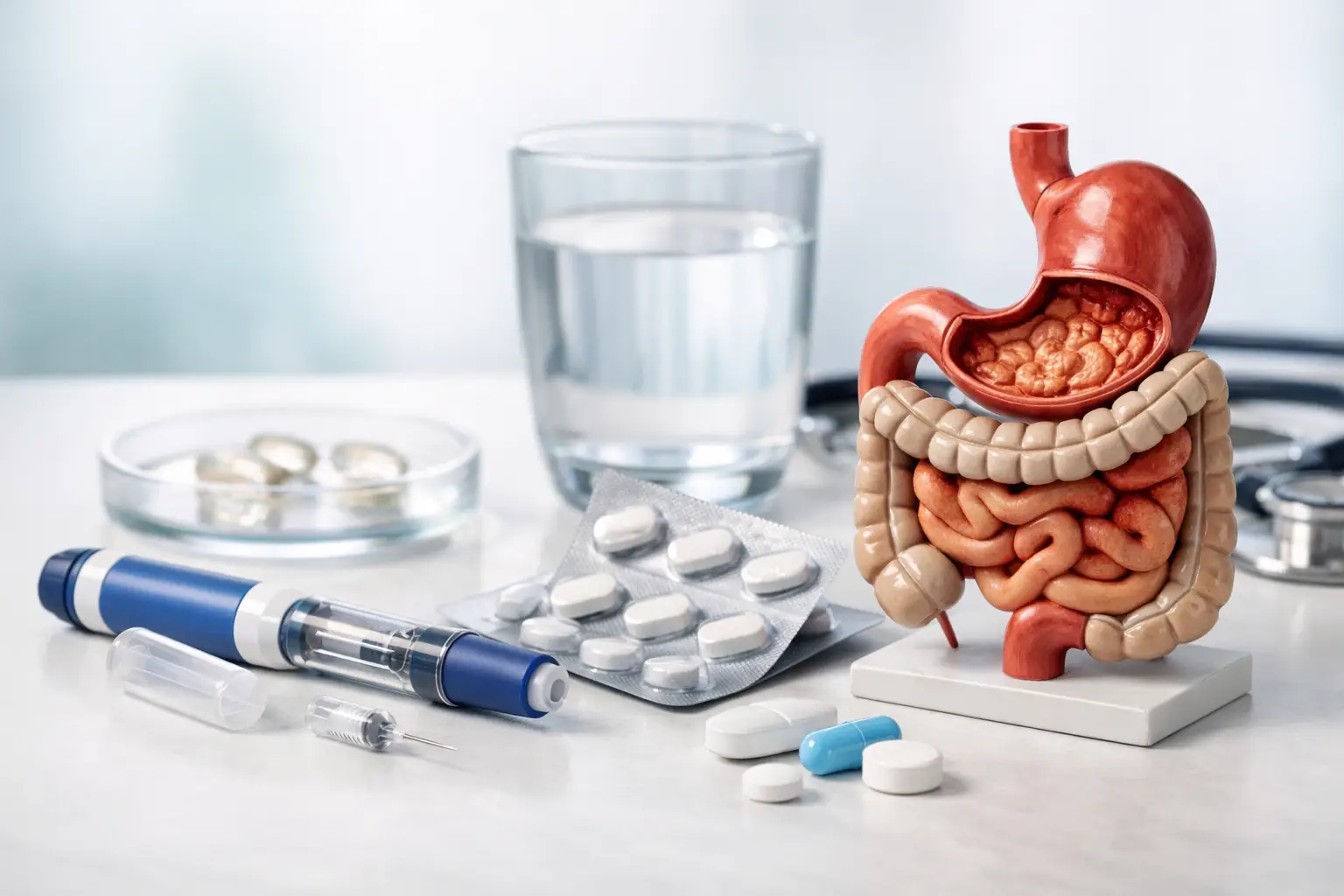
GLP-1 receptor agonists — including medications like semaglutide and tirzepatide — work by slowing gastric emptying, regulating blood sugar, and acting on reward pathways in the brain. These same mechanisms that help reduce food cravings may also blunt the brain's response to alcohol. Some patients report feeling the effects of alcohol more quickly and more intensely than before starting GLP-1 therapy, even with smaller amounts.
This shift in alcohol sensitivity is not fully understood yet, and individual responses vary. What providers generally agree on is that patients should be cautious and aware. Drinking the same amount you did before starting a GLP-1 medication could potentially lead to stronger intoxication, which carries real safety risks. This is one of many reasons why provider-reviewed care — not one-size-fits-all online dispensing — matters when you start a weight loss program.
What the Research Suggests About GLP-1 and Alcohol Cravings
One of the more surprising findings emerging from GLP-1 research is the potential impact on alcohol cravings. Because GLP-1 receptors are present in the brain's reward system, medications that activate them may reduce the dopamine-driven desire not just for food, but potentially for alcohol and other rewarding substances as well. Early studies and anecdotal patient reports suggest some individuals drink less alcohol after starting GLP-1 therapy — sometimes without consciously trying to.
This is a promising but still-developing area of research. Patients should not assume GLP-1 medications are a treatment for alcohol use disorder, and results vary significantly from person to person. If you have concerns about alcohol use, that conversation belongs with your provider — not a chatbot or an algorithm. At EdenRx, our provider-reviewed model ensures you have access to real clinical guidance as part of your GLP-1 weight loss program.
Risks Patients Should Know Before Drinking on GLP-1s
Beyond altered tolerance, there are several other potential risks associated with the GLP-1 alcohol interaction that patients frequently ask about. Alcohol is a known contributor to low blood sugar (hypoglycemia), and since GLP-1 medications also affect blood glucose regulation, combining the two may increase the risk of blood sugar dips — particularly if you are also managing diabetes or insulin resistance. Nausea is another common concern: GLP-1 medications can already cause gastrointestinal side effects, and alcohol may worsen these symptoms.
Additionally, alcohol is calorie-dense and can undermine the progress patients make through GLP-1-supported weight loss. While moderate alcohol consumption may be acceptable for some patients, it is worth discussing openly with your provider before making it a regular habit during treatment. If you are unsure whether you qualify for GLP-1 therapy in the first place, you can review our qualification criteria to better understand what to expect.
Questions to Ask Your Provider About Alcohol During Treatment
Patients who are transparent with their providers get better outcomes. If you drink socially or regularly, here are some questions worth raising during your consultation: Does alcohol interact with my specific medication? Should I avoid drinking entirely, or is moderate consumption acceptable? What symptoms should prompt me to stop drinking and contact a provider? How might alcohol affect my weight loss results?
These are all reasonable and important questions — and no provider should make you feel embarrassed for asking them. At EdenRx, our telehealth model is built to make these conversations easy, private, and judgment-free. You can start an assessment from your home in Florida or New York, and our team will help determine if you are eligible for a GLP-1 program that fits your lifestyle and health history. Results vary and are not guaranteed.
Why Provider Review Matters When Navigating GLP-1 Side Effects
The GLP-1 alcohol interaction is just one example of why oversimplified, pharmacy-first telehealth platforms may fall short. When a real provider reviews your health history, medications, and lifestyle factors — including alcohol use — they can tailor your plan in ways that a questionnaire alone cannot. Provider review helps catch contraindications, adjust dosing appropriately, and ensure that your weight loss journey is as safe as it is effective.
At EdenRx, every patient undergoes a structured review process before any medication is prescribed. We believe weight loss care should be personalized, not templated. Whether you are curious about program options, want to understand pricing, or are ready to take the first step, our platform is designed to support you with clinical integrity every step of the way. Built from Eden Med Spa — real patients, real treatments.
Have more questions about GLP-1 therapy? View Program Details or Check If You Qualify — Provider-reviewed care available in Florida and New York.
Frequently Asked Questions
Can I drink alcohol while taking semaglutide or tirzepatide? Moderate alcohol consumption may be acceptable for some patients on GLP-1 medications, but this depends on your individual health profile. Always discuss alcohol use with your provider before continuing or starting to drink during GLP-1 therapy.
Why do I feel drunk faster on a GLP-1 medication? GLP-1 medications slow gastric emptying and may interact with the brain's reward pathways, potentially causing alcohol to be absorbed differently or felt more intensely. Your tolerance may be lower than you expect — even with small amounts.
Will GLP-1 medications reduce my desire to drink alcohol? Some patients report reduced alcohol cravings after starting GLP-1 therapy, possibly due to the medication's effect on the brain's reward system. However, results vary and GLP-1 medications are not approved or intended as a treatment for alcohol use disorder.
Is it dangerous to mix alcohol with GLP-1 medications? There are potential risks, including increased intoxication at lower doses, worsened nausea or GI side effects, and possible effects on blood sugar regulation. Your provider can help you assess the specific risks based on your health history.
Does alcohol affect my weight loss results on a GLP-1 program? Alcohol is calorie-dense and may potentially slow progress or work against the appetite-regulating effects of GLP-1 therapy. If weight loss is your primary goal, discussing alcohol habits with your provider is an important part of your overall plan.
How do I get started with a provider-reviewed GLP-1 program? You can start a free assessment through EdenRx with no payment required. Our team reviews your health history and, if eligible, connects you with a licensed provider in Florida or New York to discuss your options.
Take the Next Step in Your Weight Loss Journey
Understanding the GLP-1 alcohol interaction is just one piece of a larger, personalized conversation you should be having with a real provider — not a static FAQ page. GLP-1 medications may offer meaningful support for weight loss if you qualify, but they work best when paired with informed, ongoing clinical guidance.
EdenRx makes provider-reviewed telehealth accessible, transparent, and judgment-free. Explore our weight loss programs, review pricing options, or find out if you meet the criteria by visiting our qualification page. When you are ready, start your free assessment — no payment required to find out if GLP-1 therapy may be right for you. Results vary. Available to patients in Florida and New York only.