

GLP-1 Weight Loss Cost: What to Expect & Pricing Breakdown
Embarking on a weight loss journey using GLP-1 receptor agonists can be a life-changing decision, but understanding the financial commitment is just as important as understanding the biology. If you are researching GLP-1 cost, this guide will help you navigate pricing structures, insurance complexities, and out-of-pocket expectations to help you make an informed health decision.
What Are GLP-1 Receptor Agonists?
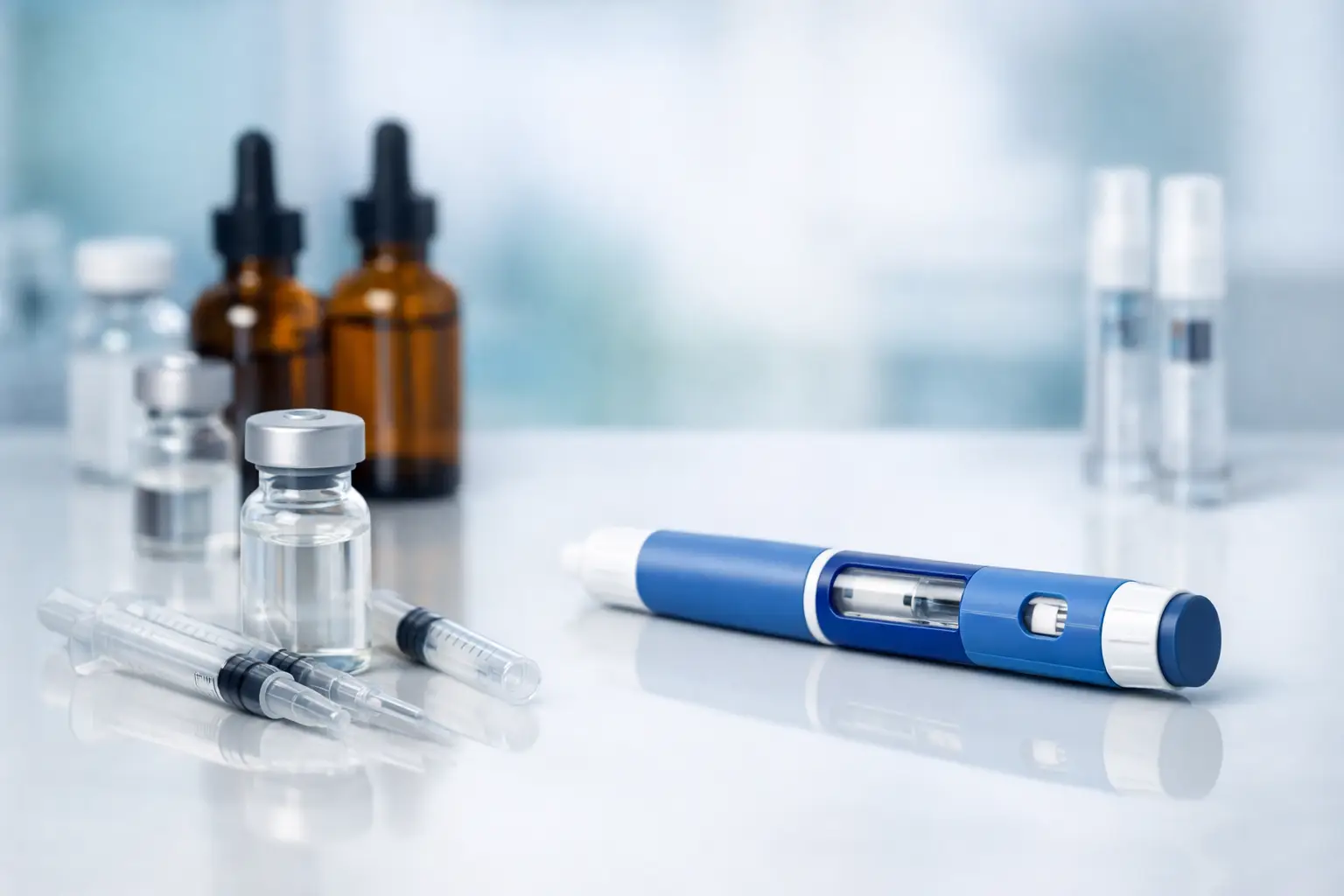
GLP-1 receptor agonists are a class of medications originally developed to treat type 2 diabetes. However, due to their profound impact on metabolic health and satiety, specific formulations have been FDA-approved for chronic weight management. Common brand names in this category include Wegovy®, Zepbound™, Saxenda®, and Ozempic®.
These medications belong to a group of drugs known as incretin mimetics. They are designed to mimic the glucagon-like peptide-1 (GLP-1) hormone, which is naturally produced in the gut in response to food intake. Unlike traditional weight loss pills that may act as stimulants, GLP-1 medications work by influencing the body’s complex hunger-regulating systems. Because these medications are potent, they are typically prescribed as part of a comprehensive weight management program that includes lifestyle interventions, such as nutritional counseling and increased physical activity.
For many patients, the GLP-1 cost is the most significant hurdle. Prices can vary drastically depending on your insurance coverage, your location, the specific medication prescribed, and whether you are sourcing through a retail pharmacy or a specialized telehealth provider.
How Do GLP-1 Medications Work for Weight Loss?
To understand why these medications are effective, it is important to look at the physiology of satiety. GLP-1 receptor agonists interact with specific receptors in the brain, particularly in the hypothalamus, which acts as the body’s "control center" for appetite.
When these receptors are activated, the medication triggers several biological responses:
- Increased Satiety: The medication signals to the brain that you are full, which may help reduce overall caloric intake without the constant sensation of hunger.
- Delayed Gastric Emptying: By slowing down the rate at which food leaves the stomach, these drugs help you feel satisfied for longer periods after eating smaller portions.
- Blood Sugar Regulation: GLP-1s stimulate insulin secretion and inhibit glucagon release when blood glucose levels are high, which helps stabilize energy levels throughout the day and may reduce cravings associated with blood sugar spikes and crashes.
Clinical studies show that patients using these medications often experience more significant weight loss compared to those using lifestyle interventions alone. By addressing the physiological drivers of hunger, these medications remove the "willpower" barrier that many individuals face when attempting to maintain a calorie-restricted diet.
The Benefits Beyond the Scale
While the primary focus for many is the number on the scale, the clinical benefits of GLP-1 therapy extend far beyond weight loss. Medical research suggests that losing weight via these medications may support systemic improvements in metabolic health.
- Improved Cardiovascular Health: Studies show that long-term weight management with GLP-1s may support a reduction in major adverse cardiovascular events, such as heart attack and stroke.
- Reduced Inflammation: Chronic obesity is associated with systemic inflammation. By lowering body fat percentage, patients may experience reduced inflammatory markers in the blood.
- Better Blood Pressure Control: Excess weight is a primary driver of hypertension. As patients lose weight, many find that their blood pressure readings stabilize, often leading to a reduction in other cardiovascular medications.
- Improved Sleep Apnea: Weight reduction is one of the most effective non-surgical ways to manage and potentially reverse obstructive sleep apnea.
- Enhanced Quality of Life: Many patients report increased energy levels, improved mobility, and a better mood once they reach a healthier body mass index (BMI).
It is important to note that these benefits are observed over the long term. Consistency is key, which is why the GLP-1 cost is often evaluated by patients as an investment in long-term preventative care rather than a short-term fix.
Safety, Side Effects, and Considerations
Like any medical treatment, GLP-1 therapy carries a risk of side effects. Most users tolerate these medications well, but gastrointestinal discomfort is common, especially when starting the medication or increasing the dose.
Common side effects may include:
- Nausea
- Vomiting
- Diarrhea or constipation
- Abdominal pain
- Fatigue
These symptoms are usually temporary and tend to subside as the body adjusts to the medication. To minimize these risks, providers often recommend a "titration" schedule—starting at a low dose and gradually increasing it over several weeks or months.
Serious side effects are rare but can include pancreatitis, gallbladder issues, and potential risks to those with a personal or family history of medullary thyroid carcinoma. Before starting, your provider will conduct a thorough screening to ensure that you are a suitable candidate and that the medication is safe for your unique medical history. Never purchase these medications from unlicensed sources; only use FDA-approved products prescribed by a licensed healthcare professional.
FAQ: Frequently Asked Questions About GLP-1 Cost
1. Does insurance cover GLP-1 medications?
Insurance coverage for GLP-1s varies significantly. Some plans cover them for obesity, while others restrict coverage to type 2 diabetes diagnoses. Always check your specific formulary or contact your insurance provider’s pharmacy benefits manager.
2. What is the average monthly out-of-pocket GLP-1 cost?
Without insurance, these medications can range from $900 to $1,400 per month. However, manufacturer savings cards can sometimes reduce these costs for eligible patients.
3. Why are these medications so expensive?
The high cost reflects significant research and development investments, complex manufacturing processes, and patent protections. These are specialized biologic drugs, not simple generic chemicals.
4. Are there cheaper generic versions of GLP-1s?
Currently, there are no generic versions of brand-name GLP-1 medications like Wegovy or Zepbound. Be wary of "generic" claims online, as these are often unregulated and potentially unsafe compounded products.
5. How can I lower my GLP-1 cost?
You can look into manufacturer-sponsored patient assistance programs, use pharmacy discount apps, or ask your provider if there are alternative medications that might be covered by your specific insurance plan.
6. Do I have to pay for the medication every month forever?
Most providers consider GLP-1s a long-term maintenance treatment. Because weight regain is common after stopping, many patients stay on a maintenance dose once their goal weight is reached, which may change the overall cost structure.
7. Does the consultation cost money?
Yes, most telehealth and in-person clinics charge a fee for the initial medical assessment and ongoing follow-up appointments. Some providers bundle this into a monthly membership fee.
8. What happens if I stop taking the medication?
Studies indicate that many patients may regain weight if they discontinue the medication without maintaining lifestyle changes. Discuss a long-term maintenance plan with your provider early in your journey.
Start Your Journey Today
Understanding the costs and benefits of GLP-1 therapy is the first step toward reclaiming your health. If you are ready to explore your options with a licensed medical professional, we are here to support you.
[Check if you qualify: Start Free Assessment]
Conclusion
Choosing to pursue medical weight loss is a significant step that requires careful financial and health planning. While the GLP-1 cost may seem daunting, viewing it as a long-term investment in your metabolic health and future well-being can help clarify the decision-making process. By working with a qualified provider and understanding your insurance landscape, you can create a sustainable path toward your health goals.
Results vary. This is not medical advice. Consult your provider before starting any new medication or weight loss program.