

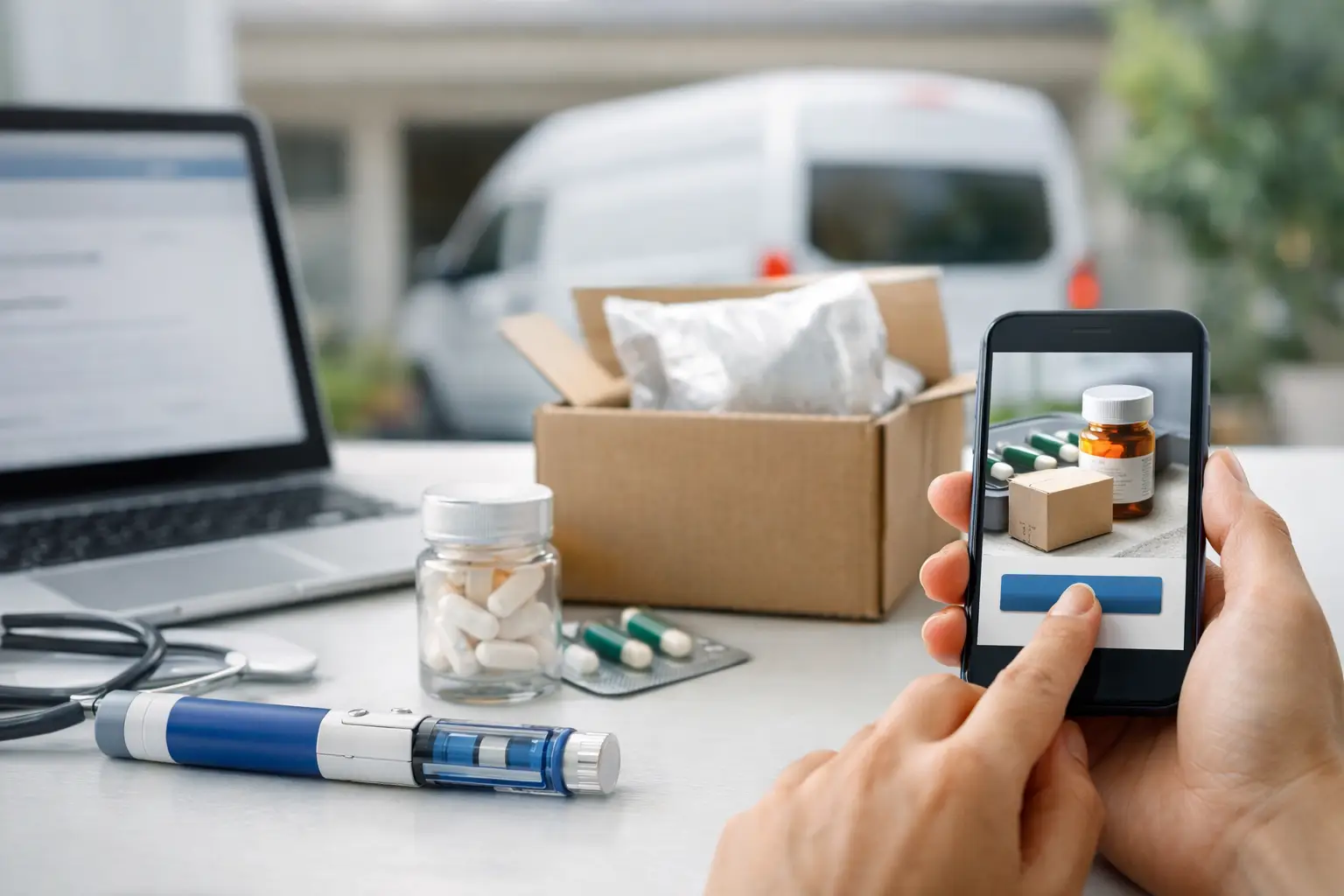
If you are considering GLP-1 treatment for weight management, convenience matters - but so does clinical oversight. A strong online prescription delivery guide should help you understand both. The goal is not just getting medication to your door. It is knowing how the process works, who reviews your care, and what safeguards should be in place before treatment begins.
For many adults, the appeal of telehealth is obvious. You can complete an assessment on your schedule, avoid unnecessary office visits, and stay private throughout the process. But prescription delivery is only one piece of care. The more important question is whether the treatment pathway is structured, medically reviewed, and designed to support real progress over time.
What an online prescription delivery guide should actually cover
A useful online prescription delivery guide is not a shipping explainer. It should walk you through the full care process, starting before any prescription is written. That includes how your health history is collected, how a licensed provider determines eligibility, how a pharmacy fulfills treatment, and what happens after medication arrives.
This matters because not every online platform is built the same way. Some focus heavily on speed and convenience. Others are built around provider oversight and ongoing monitoring. If you are starting a medication such as semaglutide or tirzepatide, that difference is significant. Weight loss treatment is not one decision made on day one. It is an ongoing clinical relationship that should include evaluation, follow-up, and a clear path for questions or adjustments.
How online prescription delivery works in a medically guided model
In a medically guided telehealth model, delivery begins with assessment, not checkout. You typically start by completing a secure online intake that covers your medical history, current health status, medications, and weight-related goals. That information is then reviewed by a licensed healthcare provider.
The provider’s role is central. They assess whether treatment is appropriate based on your history, risk factors, and overall profile. In some cases, a patient may be a strong candidate for GLP-1 therapy. In other cases, a provider may decide that treatment is not appropriate, or that another approach should be considered first. That is exactly how a clinically credible process should work.
If a prescription is issued, it is then sent to a licensed U.S. pharmacy for fulfillment. The pharmacy prepares the medication and coordinates delivery to the patient. The shipping step may feel like the most visible part of the experience, but it rests on the medical review that comes before it.
This sequence is worth paying attention to because it reflects a standard of care. A platform that starts with provider review is built differently from one that treats medication access like a retail transaction.
Why pharmacy fulfillment matters
Patients often focus on the provider side of telehealth, but pharmacy standards matter too. Licensed pharmacy fulfillment helps ensure that prescriptions are processed appropriately, dispensing requirements are followed, and medications are handled within proper protocols.
That does not mean every patient experience will look identical. Delivery timing can vary based on prescription review, pharmacy processing, refill timing, and shipping logistics. A trustworthy platform sets expectations clearly instead of implying that every order moves at the same speed.
For patients balancing work, family, and health goals, this kind of clarity matters. It reduces surprises and helps you plan around your treatment start date or refill schedule.
What to look for before choosing a platform
If you are comparing options, convenience should not be your only filter. The stronger question is whether the process makes you feel informed and medically supported.
Look closely at how the platform describes provider involvement. Is your information actually reviewed by a licensed clinician, or is the language vague? Does the company explain how treatment eligibility is determined? Are ongoing check-ins or follow-up support part of the model, or does communication seem to stop once the prescription is sent?
You should also pay attention to how the platform talks about outcomes. Credible care does not promise the same result for every patient. It explains that progress depends on your health profile, adherence, response to treatment, and continued medical guidance. That kind of language may sound less dramatic, but it is usually a sign of a more responsible program.
A good experience should feel efficient without feeling rushed. Those are not the same thing.
The trade-off between speed and oversight
One reason online care has grown quickly is that it removes friction. For many patients, that is a real benefit. Traditional in-person care can involve scheduling delays, travel, and unnecessary administrative steps. Telehealth can simplify access in a way that makes treatment more realistic for busy adults.
Still, speed has limits. If a process feels instant from start to finish, it is fair to ask what kind of review is happening behind the scenes. Prescription treatment should involve some level of clinical judgment, and that takes more than a few clicks.
This is where the best telehealth models stand out. They reduce unnecessary delays while keeping the medical process intact. That balance is especially important for weight management, where the right treatment plan depends on more than interest or convenience.
Online prescription delivery guide for ongoing treatment
Starting treatment is one phase. Staying on treatment is another. An online prescription delivery guide should also help you understand how refills, follow-up care, and medication adjustments are handled.
With GLP-1 care, ongoing monitoring matters because treatment can change over time. Some patients need dose adjustments. Some have questions about side effects, appetite changes, or how treatment fits into their broader health goals. Others may need to pause, restart, or reassess based on provider guidance.
That means delivery should be part of a continuing care system, not a one-time shipment. If you are evaluating a platform, consider whether the experience is built to support consistency. Reliable refill coordination, access to clinical guidance, and clear communication are all part of what makes online care sustainable.
This is one reason digitally native medical platforms can work well when they are designed with real oversight. They remove unnecessary steps, but they do not remove the provider relationship.
Questions patients should ask themselves
Before enrolling in any program, it helps to be honest about what you need. Some patients mainly want convenience. Others want more structure and accountability. Many want both.
Ask yourself whether the process gives you enough clarity to feel confident. Do you understand how eligibility is reviewed? Do you know who is overseeing your treatment? Is there a clear explanation of what happens after approval, including pharmacy fulfillment and delivery timing? And just as important, do you know what support is available once treatment begins?
These questions matter because confidence in care does not come from fast marketing. It comes from a process that feels transparent from the start.
Where a platform like EdenRx fits
For patients who want a simpler path to medically guided weight loss, platforms like EdenRx reflect what many people are looking for now: provider-reviewed treatment, licensed pharmacy fulfillment, and home delivery within a structured telehealth experience. That model can be especially useful for adults who value privacy and efficiency but still want treatment grounded in clinical review rather than convenience alone.
The strongest online care experience is the one that helps you feel supported before, during, and after the prescription is written.
If you are exploring GLP-1 treatment, do not judge the process by delivery alone. Judge it by the quality of review behind it, the clarity of the experience, and whether the care model is built to support your progress over time. When those pieces are in place, convenience stops being the main selling point and starts becoming what it should be - a better way to access thoughtful medical care.